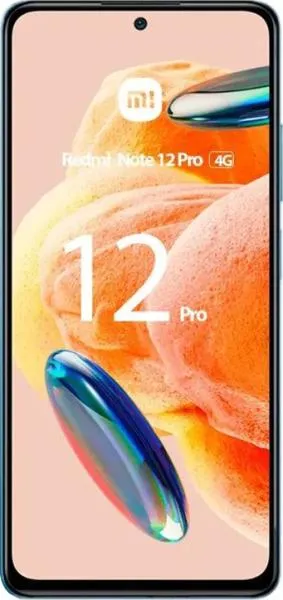
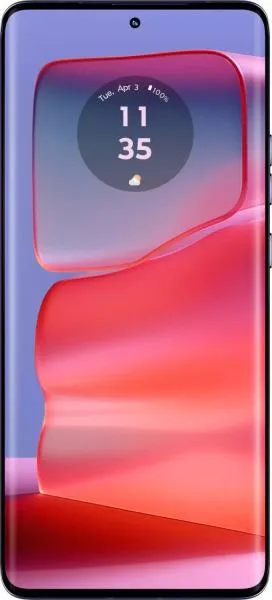
1. Specifications Comparison
| Feature | Xiaomi Redmi Note 12 Pro 4G | Motorola Edge 50 Pro | Practical Impact |
|---|---|---|---|
| Design | |||
| Dimensions (mm) | 164.2 x 76.1 x 8.1 | 161.2 x 72.4 x 8.2 | Motorola is slightly smaller and lighter, potentially improving one-handed use. |
| Weight (g) | 201.8 | 186 | Noticeable weight difference; Motorola feels lighter in hand. |
| Display | |||
| Display Type | AMOLED, 120Hz | p-OLED, 144Hz | Both offer smooth scrolling and vivid colors. Motorola's 144Hz and HDR10+ might provide a slightly smoother and more dynamic visual experience but the real-world difference might be negligible for many users. |
| Resolution | 1080 x 2400 | 1220 x 2712 | Motorola has a sharper display due to higher resolution. |
| Peak Brightness (nits) | 1100 | 2000 | Motorola's significantly higher peak brightness ensures better visibility in direct sunlight. |
| Performance | |||
| Chipset | Snapdragon 732G (8nm) | Snapdragon 7 Gen 3 (4nm) | Motorola's newer and more efficient processor will deliver significantly better performance and power efficiency. |
| CPU | Octa-core (2x2.2 GHz Kryo 470 Gold & 6x1.8 GHz Kryo 470 Silver) | Octa-core (1x2.63 GHz Cortex-A715 & 4x2.4 GHz Cortex-A715 & 3x1.8 GHz Cortex-A510) | Motorola's CPU architecture offers a performance advantage, especially in demanding tasks. |
| RAM | 8GB | 12GB | More RAM on the Motorola allows for smoother multitasking and better handling of demanding applications. |
| OS | Android 11 | Android 14 | Motorola comes with a much newer Android version, offering more features, security updates, and potentially longer software support. |
| Camera | |||
| Main Camera | 108MP | 50MP | While Xiaomi boasts higher megapixels, Motorola's larger sensor (2.0µm pixel size vs 0.7µm) likely captures more light, potentially resulting in better low-light performance. Missing sensor details for Motorola limit a comprehensive comparison. |
| Ultrawide | 8MP | 13MP | Motorola offers a higher resolution ultrawide camera. |
| Telephoto | No | Yes (3x optical zoom) | Motorola offers optical zoom for better quality zoomed-in shots, a significant advantage. |
| Video | 4K@30fps | 4K@30fps with HDR, EIS | Motorola offers HDR and EIS for video recording, improving dynamic range and stabilization. |
| Battery | |||
| Capacity | 5000 mAh | 4500 mAh | Xiaomi has a larger battery capacity, potentially offering longer battery life. However, Motorola's more efficient processor might offset this difference. |
| Charging Speed | Information missing | Information missing | Cannot compare charging speeds without specific data. |
2. Key Differences Analysis
Motorola Edge 50 Pro Advantages:
- Significantly better performance: Newer, more powerful processor, more RAM, and faster storage will result in a smoother and more responsive user experience.
- More up-to-date software: Android 14 offers the latest features and security updates.
- Superior display: Sharper, brighter, and smoother display with HDR10+ support.
- More versatile camera system: Optical zoom and better video stabilization provide more shooting options.
- Faster USB Type-C with DisplayPort: USB 3.1 and DisplayPort 1.4 enable faster data transfer and video output.
Xiaomi Redmi Note 12 Pro 4G Advantages:
- Potentially longer battery life: Larger battery capacity, but real-world usage depends on optimization and user habits.
- Lower price: Generally available at a lower price point. (Based on provided price data, though currency fluctuations and retailer differences can impact this.)
3. User Profiles & Recommendations
Motorola Edge 50 Pro: Ideal for users who prioritize performance, a premium display, a versatile camera, and the latest software features. Suitable for demanding tasks, gaming, content creation, and consuming media.
Xiaomi Redmi Note 12 Pro 4G: Best for budget-conscious users who prioritize battery life and reliable everyday performance. Suitable for general use, social media, browsing, and light gaming.
4. Decision Framework
Key Questions for Buyers:
- What is your budget? The Motorola is more expensive, but offers better overall performance.
- What are your performance needs? For demanding tasks and gaming, the Motorola is significantly better.
- How important is camera quality and versatility? The Motorola offers optical zoom and better video features.
Scenario-Based Recommendations:
- Tight budget, basic needs: Xiaomi Redmi Note 12 Pro 4G
- Balanced needs, value for money: Consider the Xiaomi if battery life is paramount, but the Motorola offers a compelling overall package for a moderate price increase.
- Performance enthusiast, latest features: Motorola Edge 50 Pro
My Choice: Motorola Edge 50 Pro
While the Xiaomi Redmi Note 12 Pro 4G offers a larger battery, the Motorola Edge 50 Pro provides a significantly better overall package. The performance difference due to the newer processor and larger RAM, coupled with the updated Android version, superior display, more versatile camera, and faster connectivity make it a more future-proof and enjoyable device to use in the long run. The slightly higher price is justified by the substantial improvements across the board. The 3x optical zoom alone is a compelling differentiator for me personally, as is the newer Android OS and promise of longer software updates.
