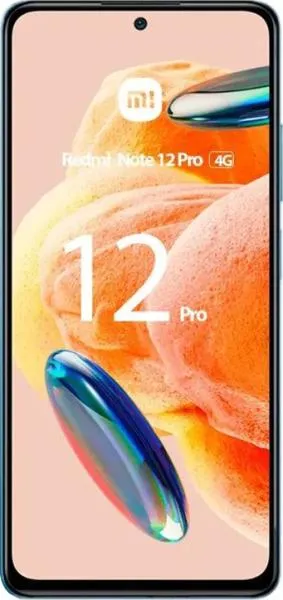
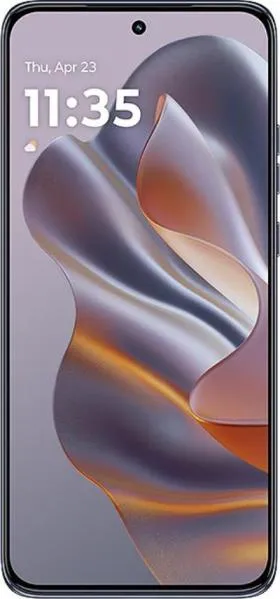
1. Specifications Comparison
| Feature | Xiaomi Redmi Note 12 Pro 4G | Motorola Edge 50 Neo | Practical Impact |
|---|---|---|---|
| Design | |||
| Dimensions (mm) | 164.2 x 76.1 x 8.1 | 154.1 x 71.2 x 8.1 | Motorola is slightly smaller and more compact, potentially easier to handle. |
| Weight (g) | 201.8 | 171 | Motorola is noticeably lighter, reducing hand fatigue during extended use. |
| Display | |||
| Display Type | AMOLED, 120Hz | LTPO P-OLED, 120Hz | Both offer smooth scrolling and animations. LTPO on the Motorola allows for dynamic refresh rate adjustment, potentially saving battery. Motorola's panel likely offers better color accuracy and higher peak brightness for improved outdoor visibility due to the 1B colors and 3000 nits. |
| Display Size (inches) | 6.67 | 6.4 | Xiaomi offers a larger screen for more immersive media consumption, while Motorola offers a more one-hand-friendly size. |
| Resolution | 1080 x 2400 | 1256 x 2760 | Motorola boasts a sharper display with higher pixel density, resulting in crisper text and images. |
| Performance | |||
| Chipset | Snapdragon 732G (8nm) | Dimensity 7300 (4nm) | Motorola's newer and more efficient 4nm chipset likely delivers significantly better performance and battery life. |
| CPU | Octa-core (2x2.2 GHz Kryo 470 Gold & 6x1.8 GHz Kryo 470 Silver) | Octa-core (4x2.5 GHz Cortex-A78 & 4x2.0 GHz Cortex-A55) | Motorola's CPU architecture suggests superior multi-core performance for demanding tasks. |
| GPU | Adreno 618 | Mali-G615 MC2 | Difficult to compare directly without benchmarks, but the Dimensity 7300 generally offers better graphical capabilities. |
| RAM | 8GB | 8GB/12GB | Both offer ample RAM for multitasking, but the Motorola offers a 12GB option for even smoother performance with heavy usage. |
| OS | Android 11 | Android 14 | Motorola comes with a much newer Android version, offering the latest features, security updates, and potentially longer software support. |
| Camera | |||
| Main Camera | 108MP | 50MP | Xiaomi boasts higher resolution, but megapixels alone don't guarantee image quality. Motorola uses a newer sensor (Sony LYT-700C), potentially offering better low-light performance and dynamic range. |
| Video Capabilities | 4K@30fps, 1080p@60fps | 4K@30fps, 1080p@240fps | Motorola offers more versatile video recording options including slow-motion at higher frame rates. Information regarding Electronic Image Stabilization (EIS) is only available for the Motorola, suggesting smoother video footage. |
| Battery | |||
| Capacity | 5000mAh | 4310mAh | Xiaomi has a larger battery capacity, suggesting longer battery life. However, Motorola's more efficient chipset and LTPO display could offset this difference. |
2. Key Differences Analysis
Motorola Edge 50 Neo Advantages:
- Significantly newer and more powerful processor: Resulting in smoother performance, better gaming capabilities, and improved battery efficiency.
- More recent Android version: Providing access to the latest features and longer software/security updates.
- Sharper display with potentially better color accuracy and brightness: Enhancing media consumption and outdoor visibility.
- More versatile video recording capabilities: Including higher frame rate slow-motion and potentially smoother footage due to EIS.
- Lighter and more compact design: Improving one-handed usability.
Xiaomi Redmi Note 12 Pro 4G Advantages:
- Larger battery capacity: Potentially leading to longer battery life, although real-world usage will depend on various factors.
- Larger display: Offering a more immersive experience for media consumption.
- Higher resolution main camera: Potentially capturing more detail in ideal lighting conditions, although overall image quality depends on various factors including sensor and processing.
3. User Profiles & Recommendations
Xiaomi Redmi Note 12 Pro 4G: Users prioritizing a large display and long battery life for media consumption and casual usage. Budget-conscious buyers who don't require the latest processing power.
Motorola Edge 50 Neo: Users who value performance, a modern software experience, a great display, and versatile camera features. Suitable for demanding tasks, gaming, and content creation.
4. Decision Framework
Key Questions for Buyers:
- What is your budget? The Motorola is generally more expensive.
- What are your primary use cases? (e.g., gaming, photography, social media, media consumption)
- Do you prioritize the latest software and performance, or battery life and screen size?
Scenario-Based Recommendations:
- Limited Budget, Basic Usage: Xiaomi Redmi Note 12 Pro 4G
- Demanding Tasks, Gaming: Motorola Edge 50 Neo
- Photography Enthusiast: Requires further camera comparison and sample images; specs alone are insufficient.
My Choice: Motorola Edge 50 Neo
The Motorola Edge 50 Neo offers a significantly more compelling package due to its superior performance, more recent software, better display quality, and more versatile camera features. While the Xiaomi Redmi Note 12 Pro 4G might offer slightly longer battery life and a larger display, the advantages of the Motorola in terms of overall user experience and longevity outweigh those differences for me. The newer chipset and Android version alone make the Motorola a more future-proof investment. The lighter weight and smaller form factor are also appealing for daily use.
