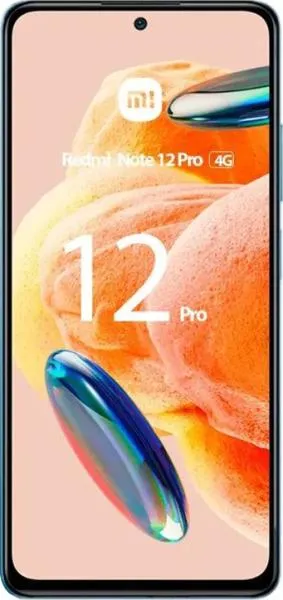
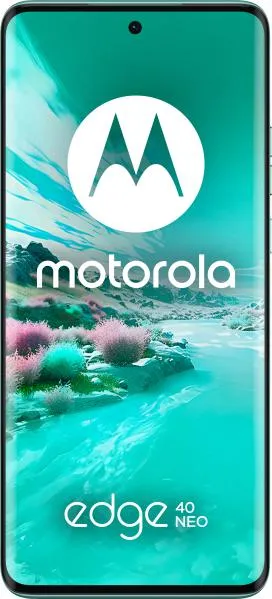
1. Specifications Comparison
| Feature | Xiaomi Redmi Note 12 Pro 4G | Motorola Edge 40 Neo | Practical Impact |
|---|---|---|---|
| Design | |||
| Dimensions (mm) | 164.2 x 76.1 x 8.1 | 159.6 x 72 x 7.9 | Edge 40 Neo is slightly smaller and more compact, potentially easier to handle. |
| Weight (g) | 201.8 | 170 | Edge 40 Neo is noticeably lighter, improving one-handed use and reducing pocket bulk. |
| Display | |||
| Display Type | AMOLED, 120Hz | pOLED, 144Hz | Both offer smooth scrolling and animations; Edge 40 Neo's 144Hz might be slightly smoother for gaming but imperceptible for most users. pOLED generally offers better power efficiency. |
| Peak Brightness (nits) | 1100 | 1300 | Edge 40 Neo offers better outdoor visibility in direct sunlight. |
| HDR | Dolby Vision | HDR10+ | Both support HDR content; Dolby Vision on the Redmi Note 12 Pro offers potentially better dynamic range but content availability is a factor. |
| Performance | |||
| Chipset | Snapdragon 732G (8nm) | Dimensity 7030 (6nm) | Dimensity 7030 is built on a smaller process node, suggesting better power efficiency and potentially better performance. However, real-world performance depends on optimization. |
| CPU | Octa-core (2x2.2 GHz Kryo 470 Gold & 6x1.8 GHz Kryo 470 Silver) | Octa-core (2x2.5 GHz Cortex-A78 & 6x2.0 GHz Cortex-A55) | Edge 40 Neo has faster prime cores potentially leading to better performance in demanding tasks. |
| RAM | 8GB | 12GB | Edge 40 Neo offers more RAM, allowing for better multitasking and smoother performance with many apps open. |
| OS Version | Android 11 | Android 13 | Edge 40 Neo comes with a more modern OS, offering newer features, security updates, and potentially longer software support. It's also guaranteed updates to Android 15. |
| Camera | |||
| Main Camera | 108MP, f/1.9 | 50MP, f/1.8, OIS | Redmi Note 12 Pro boasts higher resolution; Edge 40 Neo features Optical Image Stabilization (OIS) for better low-light photos and steadier videos. |
| Ultrawide | 8MP, f/2.2 | 13MP, f/2.2 | Edge 40 Neo offers a higher resolution ultrawide camera. |
| Selfie Camera | 16MP, f/2.45 | 32MP, f/2.4 | Edge 40 Neo offers higher resolution for selfies. |
| Battery | |||
| Capacity | 5000 mAh | 5000 mAh | Both phones have the same battery capacity, but actual battery life depends on usage and optimization. |
2. Key Differences Analysis
Motorola Edge 40 Neo Advantages:
- More Modern: Newer OS, 5G connectivity, more efficient chipset.
- Smoother Performance: Higher refresh rate display, more RAM, faster CPU.
- Better Camera System for Everyday Use: OIS on the main camera, higher resolution ultrawide, superior video recording capabilities.
- Lighter and More Compact: Easier to handle and carry.
Xiaomi Redmi Note 12 Pro 4G Advantages:
- Higher Resolution Main Camera: Potentially more detailed photos in good lighting conditions.
3. User Profiles & Recommendations
Motorola Edge 40 Neo: Ideal for users who prioritize future-proofing with 5G, a smooth and responsive user experience, good quality photos and videos, and a lightweight design. Suitable for:
- Gamers: 144Hz display, powerful chipset, ample RAM.
- Photography Enthusiasts: OIS for stable shots, good video capabilities.
- Power Users: Latest Android version, long-term software updates.
Xiaomi Redmi Note 12 Pro 4G: Suitable for users on a tighter budget who primarily prioritize a high-resolution main camera and don't need 5G connectivity.
4. Decision Framework
Key Questions for Buyers:
- Is 5G connectivity important? Edge 40 Neo offers 5G, Redmi Note 12 Pro does not.
- Do you prioritize software updates and longevity? Edge 40 Neo runs a newer Android version with guaranteed updates to Android 15.
- Which camera features matter most? Redmi Note 12 Pro has a higher resolution main sensor; Edge 40 Neo offers OIS for better low-light performance and video stability.
My Choice: Motorola Edge 40 Neo
While the Redmi Note 12 Pro offers a higher resolution main camera, the Motorola Edge 40 Neo provides a significantly more well-rounded package. Its advantages in performance, display, software, camera features like OIS, and overall design make it a better choice for most users. The lighter weight and smaller form factor are also significant pluses for daily usability. The future-proofing offered by 5G and the longer software support commitment of the Edge 40 Neo solidify its position as the superior choice in this comparison. The price difference, if any, is likely justified by the substantial upgrades.
