1. Specifications Comparison
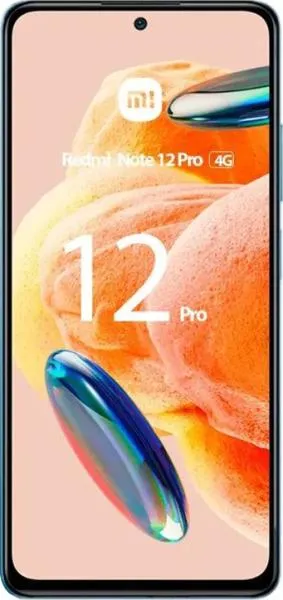
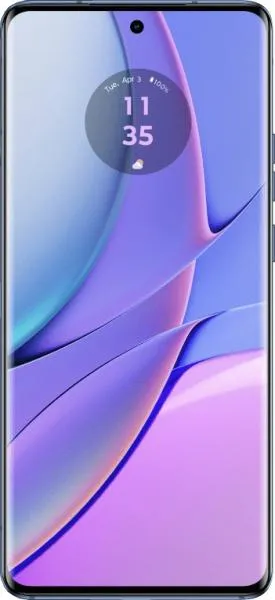
| Feature | Xiaomi Redmi Note 12 Pro 4G | Motorola Edge 40 | Practical Impact |
|---|---|---|---|
| Design | |||
| Dimensions (mm) | 164.2 x 76.1 x 8.1 | 158.4 x 72 x 7.6 | Motorola Edge 40 is noticeably smaller and thinner, making it more pocketable and comfortable for one-handed use. |
| Weight (g) | 201.8 | 167 | The significant weight difference makes the Motorola Edge 40 feel less bulky and more comfortable for extended use. |
| Display | |||
| Display Type | AMOLED, 120Hz | pOLED, 144Hz | Both offer vibrant colors and deep blacks. The 144Hz refresh rate on the Motorola Edge 40 provides slightly smoother animations and scrolling compared to 120Hz on the Redmi. pOLED generally consumes less power than AMOLED. |
| Display Size (inches) | 6.67 | 6.55 | Negligible difference in screen real estate. |
| Resolution | 1080 x 2400 | 1080 x 2400 | Identical resolution, resulting in similar sharpness. |
| HDR | Dolby Vision | HDR10+ | Both support HDR standards for enhanced video content; however, content availability may vary depending on the streaming platform. |
| Performance | |||
| Chipset | Snapdragon 732G (8nm) | Dimensity 8020 (6nm) | The Dimensity 8020, built on a smaller node, offers better performance and power efficiency compared to the Snapdragon 732G. This translates to faster app loading, smoother multitasking, and potentially longer battery life. |
| CPU | Octa-core (2x2.2 GHz Kryo 470 Gold & 6x1.8 GHz Kryo 470 Silver) | Octa-core (4x2.6 GHz Cortex-A78 & 4x2.0 GHz Cortex-A55) | The Motorola Edge 40 boasts faster CPU clock speeds, resulting in significantly improved performance in demanding tasks and gaming. |
| GPU | Adreno 618 | Mali-G77 MC9 | The Mali-G77 MC9 generally offers better graphical performance compared to the Adreno 618, leading to a smoother gaming experience on the Motorola Edge 40. |
| RAM | 8GB | 8GB | Identical RAM capacity ensures smooth multitasking on both devices. |
| OS | Android 11 | Android 13 | The Motorola Edge 40 comes with a newer Android version, offering the latest features, security updates, and potentially longer software support. It also has a guaranteed upgrade to Android 15. |
| Camera | |||
| Main Camera | 108MP | 50MP | While the Redmi has a higher megapixel count, the Motorola Edge 40's larger sensor size (information missing, but highly likely given the aperture) and wider aperture (f/1.4) likely result in better low-light performance and overall image quality. Megapixels alone don't determine image quality. |
| Ultrawide | 8MP | 13MP + Macro | The Motorola Edge 40 offers a higher resolution ultrawide camera and a dedicated macro lens for close-up shots. |
| Selfie | 16MP | 32MP | The Motorola Edge 40 has a higher resolution selfie camera. |
| Video | 4K@30fps | 4K@30fps with HDR, EIS | Both can record 4K video, but the Motorola Edge 40 benefits from HDR and Electronic Image Stabilization (EIS) for better video quality and smoother footage. It also supports higher frame rate slow motion recording. |
| Battery | |||
| Capacity | 5000 mAh | 4400 mAh | The Redmi Note 12 Pro has a larger battery capacity, potentially offering longer battery life. However, the Motorola Edge 40's more efficient chipset might offset this difference. |
2. Key Differences Analysis
Motorola Edge 40 Advantages:
- Significantly faster and more efficient processor: Leading to smoother performance in all tasks.
- Newer Android version with longer update support: Ensures access to the latest features and security patches.
- Superior display with a higher refresh rate: Resulting in a more fluid user experience.
- Better camera system: Potentially offering superior image quality, especially in low light, thanks to a wider aperture and OIS. Wider range of video recording capabilities.
- Lighter and more compact design: Enhancing portability and one-handed usability.
Xiaomi Redmi Note 12 Pro 4G Advantages:
- Larger battery capacity: Potentially longer battery life, but real-world usage will depend on various factors.
3. User Profiles & Recommendations
Xiaomi Redmi Note 12 Pro 4G: Budget-conscious users prioritizing battery life above all else.
Motorola Edge 40: Users who value a smooth and responsive experience, a modern design, a capable camera, and longer software support. Suitable for gaming, content consumption, and everyday tasks.
4. Decision Framework
Key Questions for Buyers:
- What is your budget? The Motorola Edge 40 is generally more expensive.
- What are your performance expectations? The Motorola Edge 40 offers significantly better performance.
- How important is software support and the latest features? The Motorola Edge 40 runs a newer Android version and has longer update support.
My Choice: Motorola Edge 40
While the Redmi Note 12 Pro offers a larger battery, the Motorola Edge 40 provides a significantly better overall package. Its superior performance, newer software, more capable camera, and sleek design make it a more compelling choice for most users. The slightly smaller battery is likely offset by the Edge 40's more efficient chipset. The longer software support and guaranteed upgrade to Android 15 also provide greater long-term value. While battery life is important, the everyday performance and user experience enhancements offered by the Edge 40 outweigh the potential difference in battery endurance.
