1. Specifications Comparison
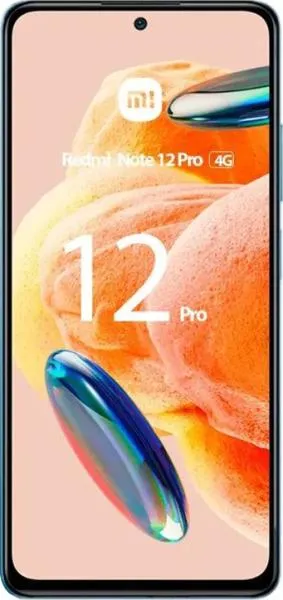
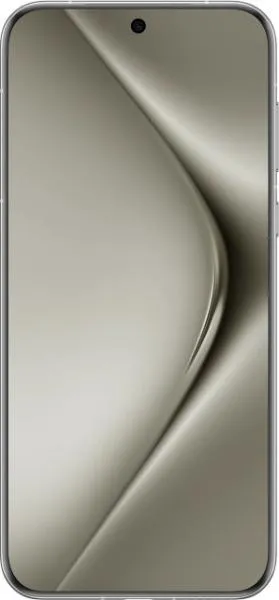
| Feature | Xiaomi Redmi Note 12 Pro 4G | Huawei Pura 70 Pro | Practical Impact |
|---|---|---|---|
| Design | |||
| Dimensions (mm) | 164.2 x 76.1 x 8.1 | 162.6 x 75.1 x 8.4 | Redmi slightly taller and wider, Huawei slightly thicker |
| Weight (g) | 201.8 | 220 | Redmi noticeably lighter |
| Build Material | Not specified | Not specified | Unable to compare build quality and durability |
| Display | |||
| Display Type | AMOLED, 120Hz | LTPO OLED, 120Hz | Both offer smooth scrolling and animations; LTPO allows for dynamic refresh rate, potentially saving battery on the Huawei. |
| Display Size (inches) | 6.67 | 6.8 | Huawei offers a slightly larger screen for more immersive content consumption. |
| Resolution | 1080 x 2400 | 1260 x 2844 | Huawei has a sharper display with higher pixel density, leading to clearer text and images. |
| Peak Brightness (nits) | 1100 | 2500 | Huawei's significantly higher peak brightness ensures better visibility outdoors. |
| Color Depth | Not specified | 1B | Huawei supports a wider color gamut, resulting in more vibrant and accurate colors. |
| Performance | |||
| Chipset | Snapdragon 732G (8nm) | Kirin 9010 (7nm) | Kirin 9010 is significantly more powerful, enabling smoother multitasking and better gaming performance. |
| CPU | Octa-core (2x2.2 GHz Kryo 470 Gold & 6x1.8 GHz Kryo 470 Silver) | Octa-core (1x2.3 GHz Taishan Big & 3x2.18 GHz Taishan Mid & 4x1.55 GHz Cortex-A510) | Kirin 9010's architecture offers superior performance, especially in demanding tasks. |
| GPU | Adreno 618 | Mali-G78 MP24 | Mali-G78 MP24 offers a substantial performance advantage for gaming and graphics-intensive tasks. |
| RAM | 8GB | 12GB | More RAM in Huawei allows for more apps to run in the background without performance slowdown. |
| Camera | |||
| Main Camera | 108MP | 50MP | Redmi boasts higher resolution; however, image quality depends on sensor size and processing, not just megapixels. |
| Ultrawide | 8MP | 12.5MP | Huawei's ultrawide likely offers better image quality. |
| Telephoto | No | 48MP with OIS | Huawei offers optical zoom and stabilization for superior zoomed shots. |
| Selfie | 16MP | 13MP | Redmi has a higher resolution front camera. |
| Battery | |||
| Capacity (mAh) | 5000 | 5050 | Negligible difference in battery capacity. |
| Charging Speed | Not specified | Not specified | Unable to compare charging speeds. |
2. Key Differences Analysis
Xiaomi Redmi Note 12 Pro 4G Advantages:
- Lighter: Noticeably lighter, making it more comfortable for extended use.
- Potentially More Affordable: Likely priced lower considering the chipset and overall specifications.
Huawei Pura 70 Pro Advantages:
- Significantly More Powerful: Kirin 9010 and 12GB RAM offer superior performance for demanding tasks and gaming.
- Sharper and Brighter Display: Higher resolution, LTPO technology, and higher peak brightness provide a much better visual experience.
- Superior Camera System: Telephoto lens with OIS offers better zoom capabilities, and overall camera hardware suggests potentially better image quality.
- More Advanced Connectivity: Includes WiFi 6 and Bluetooth 5.2.
- DisplayPort 1.2: Offers versatile connectivity options for external displays.
3. User Profiles & Recommendations
Xiaomi Redmi Note 12 Pro 4G:
- Budget-conscious users: Prioritize affordability over top-tier performance.
- Light users: Primarily use their phone for basic tasks like calling, texting, social media, and web browsing.
Huawei Pura 70 Pro:
- Power users: Demand high performance for gaming, multitasking, and demanding applications.
- Content creators: Utilize the camera extensively for photography and videography.
- Users who prioritize display quality: Value a bright, sharp, and color-accurate screen.
4. Decision Framework
Key Questions for Buyers:
- What is your budget? The Redmi is likely more affordable.
- What are your primary phone usage patterns? Light users might find the Redmi sufficient, while power users would benefit from the Huawei's performance.
- Which features are most important to you? Prioritize camera quality, display, performance, or battery life based on individual needs.
My Choice: Huawei Pura 70 Pro
While lacking specific pricing information, the Huawei Pura 70 Pro offers a significantly more compelling package. The superior processor, sharper display, more versatile camera system with a telephoto lens, and more advanced connectivity make it a clear winner in terms of overall performance and features. The slightly higher weight is a minor trade-off for the substantial gains in other areas. Even if the price is considerably higher, the Pura 70 Pro's future-proof specifications and enhanced user experience would justify the investment for me. The Redmi Note 12 Pro 4G is a decent phone for its likely price range, but it simply can't compete with the Pura 70 Pro's overall capabilities.
