1. Specifications Comparison
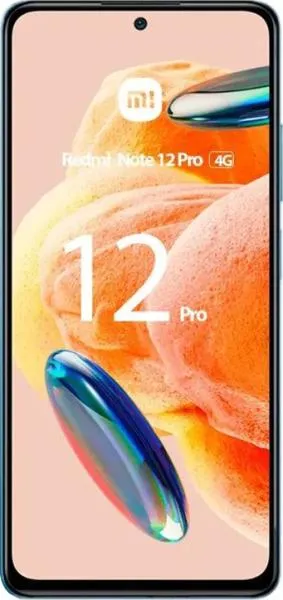
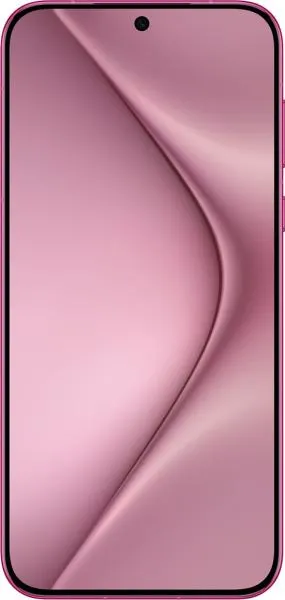
| Feature | Xiaomi Redmi Note 12 Pro 4G | Huawei Pura 70 | Practical Impact |
|---|---|---|---|
| Design | |||
| Dimensions (mm) | 164.2 x 76.1 x 8.1 | 157.6 x 74.3 x 8 | Huawei Pura 70 is slightly smaller and may feel more comfortable in hand. |
| Weight (g) | 201.8 | 207 | Negligible weight difference. |
| Fingerprint Sensor | Side-mounted | Under-display | Preference-based; under-display is often considered more modern. |
| Display | |||
| Display Type | AMOLED | LTPO OLED | Both offer vibrant colors and deep blacks; LTPO allows for dynamic refresh rate, potentially saving battery. |
| Display Size (inches) | 6.67 | 6.6 | Negligible size difference. |
| Resolution | 1080 x 2400 | 1256 x 2760 | Huawei Pura 70 has a sharper display with higher pixel density (460 vs 395 ppi). |
| Refresh Rate (Hz) | 120 | 120 | Both offer smooth scrolling and animations. |
| Peak Brightness (nits) | 1100 | 2500 | Huawei Pura 70 should be significantly brighter outdoors. |
| Color Depth | Not specified | 1B | Huawei Pura 70 supports a wider color gamut leading to more accurate and vibrant color reproduction. |
| Performance | |||
| Chipset | Snapdragon 732G | Kirin 9000S1 | Kirin 9000S1 is significantly more powerful, enabling smoother multitasking and better gaming performance. |
| CPU | Octa-core (2x2.2 GHz Kryo 470 Gold & 6x1.8 GHz Kryo 470 Silver) | Octa-core | Specific core configuration for Huawei is missing, limiting detailed comparison. However, based on the chipset difference, Huawei is likely to be significantly faster. |
| GPU | Adreno 618 | Maleoon 910 | Maleoon 910 GPU in Huawei will offer significantly better graphics performance. |
| RAM (GB) | 8 | 12 | More RAM in Huawei allows for better multitasking and app switching. |
| Camera | |||
| Main Camera (MP) | 108 | 50 | Higher megapixel count on Xiaomi doesn't guarantee better image quality. Huawei's larger sensor size (1/1.3\" vs 1/1.52\") and wider aperture (f/1.4 vs f/1.9) suggest better low-light performance. |
| Ultrawide (MP) | 8 | 13 | Huawei offers a slightly higher resolution ultrawide camera. |
| Telephoto | No | 12MP with 3.5x optical zoom | Huawei offers optical zoom for better image quality at longer distances. |
| Battery | |||
| Capacity (mAh) | 5000 | 4900 | Negligible difference in battery capacity. Huawei's LTPO display might contribute to better battery life. |
| Other | |||
| OS | Android 11 | Not Specified | Lack of OS information for Huawei makes comparison impossible. |
| USB | USB Type-C 2.0 | USB Type-C 3.1 with DisplayPort 1.2 | Huawei offers faster data transfer and video output capability via USB-C. |
| Price Range | Medium | Medium | Actual prices should be compared for accurate assessment. Huawei is likely to be more expensive based on specs. |
2. Key Differences Analysis
Xiaomi Redmi Note 12 Pro 4G Advantages:
- Potentially Lower Price: Typically more affordable within the "medium price" range.
- Higher Resolution Main Camera: 108MP sensor, potentially capturing more detail in well-lit conditions (although sensor size and aperture on the Huawei suggest overall better quality).
Huawei Pura 70 Advantages:
- Significantly More Powerful: Kirin 9000S1 chipset and more RAM offer superior performance.
- Sharper and Brighter Display: Higher resolution and peak brightness deliver a better viewing experience.
- More Versatile Camera System: Includes a telephoto lens with optical zoom and a larger main sensor with wider aperture.
- Faster USB Connectivity: USB 3.1 with DisplayPort allows for faster data transfer and video output.
- LTPO Display: More power efficient display technology.
Trade-offs:
- Price: Huawei Pura 70 is likely more expensive.
- Operating System: Unknown OS for Huawei is a major unknown factor.
3. User Profiles & Recommendations
Xiaomi Redmi Note 12 Pro 4G:
- Budget-conscious users: Prioritize affordability over top-tier performance.
- Casual users: Primarily use their phone for social media, browsing, and light gaming.
Huawei Pura 70:
- Power users: Demand high performance for demanding tasks and gaming.
- Photography enthusiasts: Value a versatile camera system with optical zoom.
- Users who prioritize display quality: Appreciate a sharp, bright, and color-accurate screen.
4. Decision Framework
Key Questions:
- What is your budget? The Huawei Pura 70 is likely more expensive.
- What are your primary phone usage patterns? (Gaming, photography, general use)
- How important is raw performance and future-proofing? The Huawei offers significant performance advantages.
Scenario-Based Recommendations:
- Limited budget, casual usage: Xiaomi Redmi Note 12 Pro 4G
- Demanding tasks, gaming, photography: Huawei Pura 70
My Choice: Huawei Pura 70
While the lack of OS details for the Huawei is a concern, the significant performance advantages, superior display, more versatile camera system, and faster USB connectivity make the Huawei Pura 70 the more compelling choice for me. I prioritize performance, a great display, and camera versatility, and am willing to pay a premium for these features. The Kirin 9000S1 promises a significant leap in performance compared to the Snapdragon 732G, which is crucial for demanding tasks and long-term usability. The brighter, sharper LTPO display also enhances the user experience considerably. Ultimately, the Huawei Pura 70 offers a more future-proof and premium experience. However, if the unknown OS is a deal-breaker (e.g., lack of Google services) or if budget is extremely tight, then the Redmi Note 12 Pro 4G is a decent alternative.
