1. Specifications Comparison
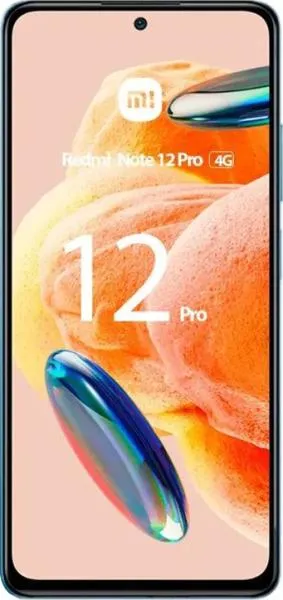
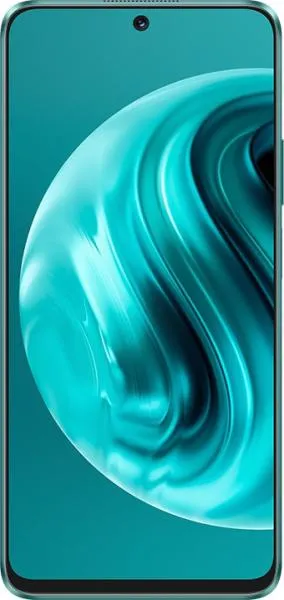
| Feature | Xiaomi Redmi Note 12 Pro 4G | Huawei nova 12i | Practical Impact |
|---|---|---|---|
| Design | |||
| Dimensions (mm) | 164.2 x 76.1 x 8.1 | 163.3 x 74.7 x 8.4 | Virtually identical in size and feel |
| Weight (g) | 201.8 | 199 | Negligible weight difference |
| Display | |||
| Display Type | AMOLED, 120Hz | IPS LCD, 90Hz | Redmi's AMOLED offers more vibrant colors, deeper blacks, and better power efficiency in dark mode. 120Hz provides smoother scrolling and animations compared to 90Hz. |
| Display Size | 6.67" | 6.7" | Negligible size difference |
| Resolution | 1080 x 2400 | 1080 x 2388 | Nearly identical resolution, resulting in similar sharpness |
| Dolby Vision | Yes | No | Redmi offers enhanced HDR video playback with richer colors and improved contrast |
| Performance | |||
| Chipset | Snapdragon 732G (8nm) | Snapdragon 680 (6nm) | Redmi's 732G offers significantly better CPU and GPU performance, resulting in smoother gaming and faster app loading. |
| CPU | Octa-core (2x2.2 GHz Kryo 470 Gold & 6x1.8 GHz Kryo 470 Silver) | Octa-core (4x2.4 GHz Cortex-A73 & 4x1.9 GHz Cortex-A53) | Redmi's CPU architecture, despite lower clock speeds on paper, provides superior performance due to more powerful cores. |
| GPU | Adreno 618 | Adreno 610 | Redmi's GPU provides noticeably better graphics performance for gaming. |
| RAM | 8GB | 8GB | Equal RAM capacity for multitasking |
| Camera | |||
| Main Camera | 108MP, f/1.9 | 108MP, f/1.9 | Similar main camera resolution but image quality may differ due to sensor and processing differences. Practical image quality comparison requires real-world samples. |
| Ultrawide | 8MP, f/2.2 | Not specified | Redmi offers an ultrawide lens for capturing wider scenes, a significant advantage. |
| Selfie Camera | 16MP, f/2.45 | 8MP, f/2.0 | Redmi's higher resolution selfie camera likely produces more detailed selfies. |
| Video Recording | 4K@30fps | 1080p@30fps | Redmi allows for higher resolution video recording. |
| Battery | |||
| Capacity | 5000mAh | 5000mAh | Identical battery capacity, but actual battery life depends on software optimization and display efficiency. |
2. Key Differences Analysis
Xiaomi Redmi Note 12 Pro 4G Advantages:
- Superior Display: AMOLED with 120Hz refresh rate and Dolby Vision offers a significantly better visual experience.
- Stronger Performance: Snapdragon 732G and Adreno 618 provide smoother gaming, faster app loading, and better overall responsiveness.
- More Versatile Camera: Includes an ultrawide lens and higher resolution selfie camera. 4K video recording capability.
Huawei nova 12i Advantages:
- Slightly Lighter: Negligible difference in weight. Could be considered more power efficient due to lower powered processor and lower refresh rate display although this wasn't directly measurable from the provided data.
Trade-offs:
- Redmi Note 12 Pro: Older Android version (11) out of the box.
- Huawei nova 12i: Less powerful processor and GPU, lower refresh rate LCD display, limited video recording capabilities (1080p only). Lacks details regarding operating system.
3. User Profiles & Recommendations
Xiaomi Redmi Note 12 Pro 4G: Ideal for users who prioritize display quality, gaming performance, and camera versatility. Suitable for:
- Mobile gamers
- Content consumers (video streaming, social media)
- Photography enthusiasts
Huawei nova 12i: Ideal for budget-conscious users who prioritize basic functionality and long battery life. Suitable for:
- Casual users primarily focused on calling, texting, and web browsing. Users who do not require high performance for gaming or other demanding tasks.
4. Decision Framework
Key Questions for Buyers:
- How important is display quality and smoothness? Prioritize Redmi if you value a vibrant, smooth display.
- What is your typical usage pattern? Choose Redmi for gaming and demanding tasks; Nova 12i for basic usage.
- Is camera versatility important? Redmi offers a more comprehensive camera system.
My Choice: Xiaomi Redmi Note 12 Pro 4G
Reasoning: The Redmi Note 12 Pro 4G offers significant advantages in display, performance, and camera capabilities for a relatively small price difference. The AMOLED display with 120Hz refresh rate and Dolby Vision is a major differentiator, providing a far superior visual experience. The more powerful processor will ensure smooth performance for a longer period of time making the phone feel more responsive for longer. The addition of an ultrawide lens and higher resolution selfie camera further enhances its value proposition. While the older Android version is a drawback, the overall package offered by the Redmi Note 12 Pro 4G makes it the clear winner for most users.
