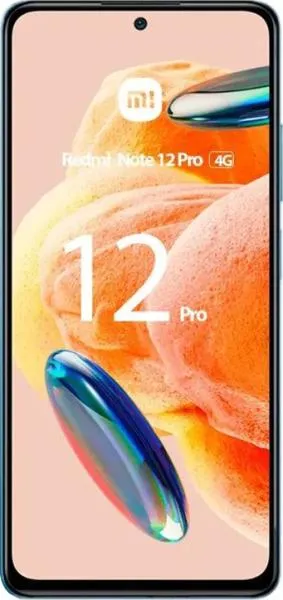
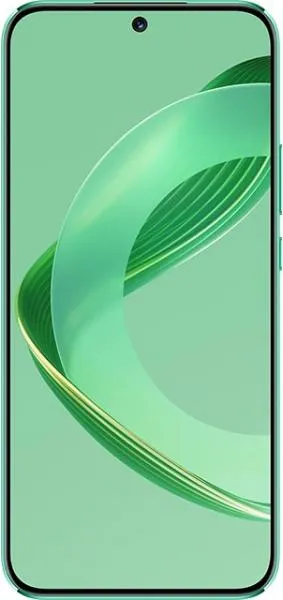
1. Specifications Comparison
| Feature | Xiaomi Redmi Note 12 Pro 4G | Huawei nova 11 | Practical Impact |
|---|---|---|---|
| Design | |||
| Dimensions (mm) | 164.2 x 76.1 x 8.1 | 161.3 x 75 x 6.9 | Nova 11 is noticeably smaller and thinner, making it more pocketable and comfortable for one-handed use. |
| Weight (g) | 201.8 | 168 | Significant weight difference; Nova 11 feels much lighter in hand, reducing fatigue during extended use. |
| Fingerprint Sensor | Side-mounted | Under-display | Preference-based; under-display feels more modern, side-mounted can be quicker to access depending on grip. |
| Display | |||
| Display Type | AMOLED | OLED | Both offer excellent contrast and vibrant colors. Real-world difference likely negligible for most users. |
| Refresh Rate (Hz) | 120 | 120 | Both offer smooth scrolling and animations for a fluid user experience. |
| Display Size (inches) | 6.67 | 6.7 | Virtually identical screen real estate. |
| Resolution | 1080 x 2400 | 1084 x 2412 | Negligible difference in sharpness. |
| Peak Brightness (nits) | 1100 (typical), 700 (HBM) | 950 | Redmi Note 12 Pro potentially has a brighter display, improving outdoor visibility. However, typical brightness values are more relevant for daily use and missing for the Nova 11. |
| HDR | Dolby Vision | HDR10 | Both support HDR content; Dolby Vision on Redmi Note 12 Pro offers potentially superior dynamic range but depends on content availability. |
| Performance | |||
| Chipset | Snapdragon 732G (8nm) | Snapdragon 778G 4G (6nm) | 778G is significantly more powerful and efficient due to newer architecture and manufacturing process, resulting in smoother multitasking, faster app loading, and better gaming performance. |
| CPU | Octa-core (2x2.2 GHz Kryo 470 Gold & 6x1.8 GHz Kryo 470 Silver) | Octa-core (4x2.4 GHz Kryo 670 & 4x1.8 GHz Kryo 670) | Nova 11 has a faster and more efficient CPU, leading to better overall performance. |
| GPU | Adreno 618 | Adreno 642L | Nova 11 has a significantly more powerful GPU, resulting in smoother gaming and graphics-intensive tasks. |
| RAM (GB) | 8 | 8 | Same RAM capacity; multitasking performance will depend more on chipset and software optimization. |
| Camera | |||
| Rear Camera | 108MP (Main), 8MP (Ultrawide), 2MP (Depth), 5MP (Macro) | 50MP (Main), 8MP (Ultrawide/Macro) | Redmi Note 12 Pro boasts higher megapixel count on the main sensor; however, image quality is influenced by factors beyond megapixels. Nova 11 lacks a dedicated depth sensor. |
| Front Camera | 16MP | 60MP | Nova 11 has a significantly higher resolution front camera, potentially capturing more detail in selfies. |
| Video Recording | 4K@30fps | 720p@960fps (Slow-mo), 4K recording capability not explicitly mentioned but likely supported. | Redmi Note 12 Pro clearly lists 4K@30fps recording; Nova 11 highlights impressive 960fps slow-motion, but details on standard video resolution are lacking. |
| Battery | |||
| Capacity (mAh) | 5000 | 4500 | Redmi Note 12 Pro has a larger battery, potentially offering longer battery life. |
2. Key Differences Analysis
Redmi Note 12 Pro 4G Advantages:
- Larger Battery: Potentially longer battery life.
- Higher Resolution Main Camera: Potentially more detailed photos in ideal conditions. Dolby Vision Support
Huawei nova 11 Advantages:
- Significantly More Powerful Processor: Smoother performance across the board, including gaming.
- Lighter and More Compact Design: Easier to handle and carry.
- Higher Resolution Front-Facing Camera: Better selfies.
- Newer Bluetooth Version (5.2 vs 5.1): Slightly improved audio quality and range for wireless accessories.
Trade-offs:
- Redmi Note 12 Pro: Less powerful processor for the price.
- Huawei nova 11: Smaller battery capacity, potentially shorter battery life. Lack of clear 4k video recording specification.
3. User Profiles & Recommendations
Redmi Note 12 Pro 4G: Users prioritizing battery life and a large display, casual photographers who value high megapixel counts. Budget-conscious buyers seeking basic functionality.
Huawei nova 11: Users who value performance, a sleek and compact design, and a high-quality selfie camera. Ideal for gaming, multitasking, and those seeking a modern aesthetic.
4. Decision Framework
Key Questions:
- What is your budget? The Nova 11 is generally more expensive.
- What are your performance needs? Gamers and heavy multitaskers will prefer the Nova 11.
- What is most important: battery life or design/portability? The Redmi Note 12 Pro likely has longer battery life, while the Nova 11 is lighter and more compact.
My Choice: Huawei nova 11
While the Redmi Note 12 Pro offers a larger battery and higher resolution main camera, the Huawei nova 11's significantly superior performance, more modern design, and better selfie camera outweigh those advantages for me. The Snapdragon 778G provides a noticeable real-world difference in speed and responsiveness, which is crucial for a smooth user experience. I prioritize daily performance and a comfortable in-hand feel over marginally longer battery life. The lack of specific 4K video recording details for the Nova 11 is a minor concern, but given the chipset's capabilities, it's highly likely to support it. The lighter and slimmer design of the Nova 11 makes it more appealing for everyday carry.
