1. Specifications Comparison
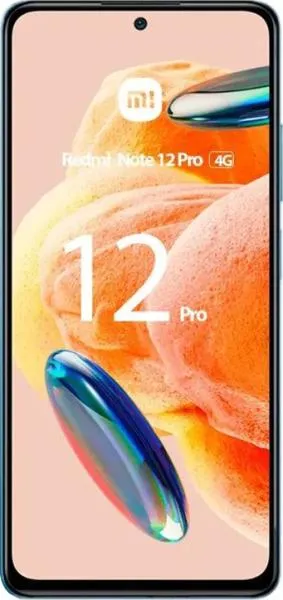
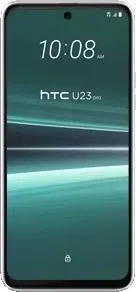
| Feature | Xiaomi Redmi Note 12 Pro 4G | HTC U23 Pro | Practical Impact |
|---|---|---|---|
| Design | |||
| Dimensions (mm) | 164.2 x 76.1 x 8.1 | 166.6 x 77.1 x 8.9 | HTC U23 Pro is slightly larger and thicker. May impact one-handed usability. |
| Weight (g) | 201.8 | 205 | Negligible weight difference in practical use. |
| Display | |||
| Display Type | AMOLED, 120Hz | OLED, 120Hz | Both offer smooth scrolling and animations due to 120Hz. AMOLED generally offers deeper blacks and higher contrast. Redmi boasts Dolby Vision for enhanced HDR content. |
| Display Size (inches) | 6.67 | 6.7 | Virtually identical screen real estate. |
| Resolution | 1080 x 2400 | 1080 x 2400 | Same resolution, sharpness will be comparable. |
| Peak Brightness (nits) | 1100 (peak), 700 typical | Not specified | Redmi's specified brightness suggests better outdoor visibility. Lack of data for HTC limits comparison. |
| Performance | |||
| Chipset | Snapdragon 732G (8nm) | Snapdragon 7 Gen 1 (4nm) | Significant performance advantage for HTC due to newer and more efficient chipset. Smoother multitasking and potentially better gaming performance expected on the U23 Pro. |
| CPU | Octa-core (2x2.2 GHz Kryo 470 Gold & 6x1.8 GHz Kryo 470 Silver) | Octa-core (1x2.4 GHz Cortex-A710 & 3x2.36 GHz Cortex-A710 & 4x1.8 GHz Cortex-A510) | HTC U23 Pro has a more modern CPU architecture, resulting in faster processing speeds. |
| GPU | Adreno 618 | Adreno 644 | HTC U23 Pro features a more powerful GPU, leading to improved graphics performance in games and visually demanding applications. |
| RAM | 8GB | 12GB (International) / 8GB (South Asia) | More RAM in the International version of the HTC enables better multitasking and app switching. |
| OS | Android 11 | Android 13 | HTC comes with a newer Android version out-of-the-box, offering potential feature and security advantages. |
| Camera | |||
| Main Camera | 108MP, f/1.9 | 108MP, f/1.7 | HTC's wider aperture (f/1.7) allows for better low-light performance. Missing sensor details for both phones limit in-depth comparison. |
| Front Camera | 16MP, f/2.45 | 32MP, f/2.45 | Higher resolution on HTC suggests potentially more detailed selfies. |
| Video | 4K@30fps | 4K@30fps with EIS | Both offer 4K video recording. HTC features Electronic Image Stabilization (EIS) for smoother video footage. |
| Battery | |||
| Capacity | 5000 mAh | 4600 mAh | Larger battery capacity in Redmi likely translates to longer battery life. |
| Charging Speed | Not specified | Not specified | Cannot compare charging speeds without specific data. |
2. Key Differences Analysis
Xiaomi Redmi Note 12 Pro 4G Advantages:
- Larger Battery: Potentially longer battery life.
- Dolby Vision: Enhanced HDR video playback experience.
- Potentially Lower Price: Depending on the specific variant and retailer.
HTC U23 Pro Advantages:
- Significantly More Powerful Processor and GPU: Much smoother performance for demanding tasks and games.
- Newer Android Version: Access to latest features and security updates.
- Better Main Camera Low-Light Performance: Due to wider aperture.
- Higher Resolution Selfie Camera: More detail in self-portraits.
- Video Stabilization: Smoother video recording.
- Faster USB Transfer Speeds: USB 3.0 vs 2.0
3. User Profiles & Recommendations
Xiaomi Redmi Note 12 Pro 4G: Suitable for users seeking a budget-friendly phone with a great display for media consumption and all-day battery life. Best for casual users prioritizing battery over raw performance.
HTC U23 Pro: Ideal for users who demand smoother performance for gaming, multitasking, and resource-intensive applications. Good choice for those who value a more up-to-date software experience and improved camera features, particularly in low light and video recording.
4. Decision Framework
Key Questions for Buyers:
- What is your budget? The Redmi Note 12 Pro 4G is generally more affordable.
- What is your primary use case? Casual use vs. demanding gaming/multitasking.
- How important is camera quality and features? HTC offers advantages in low-light photography and video stabilization.
Scenario-Based Recommendations:
- Limited Budget, Casual User: Redmi Note 12 Pro 4G
- Power User, Gamer, Photographer/Videographer: HTC U23 Pro
My Choice: HTC U23 Pro
While the Redmi Note 12 Pro 4G offers a larger battery, the HTC U23 Pro's significant performance advantages, newer Android version, and superior camera features (especially the wider aperture for low-light photography and EIS for video) make it the better overall device for my needs. I prioritize a smooth user experience and future-proofing offered by the newer hardware and software. The slightly smaller battery is a trade-off I'm willing to make for the noticeable performance gains. I also appreciate the faster data transfer speeds offered by USB 3.0.
