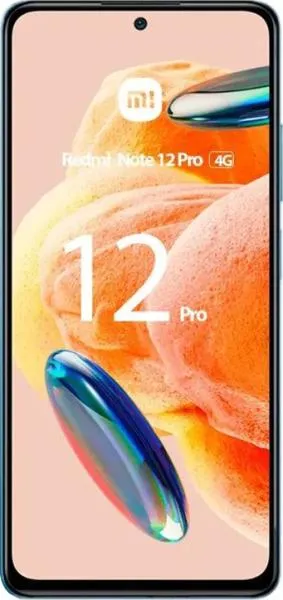
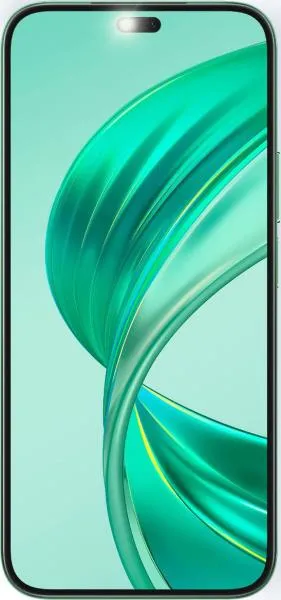
1. Specifications Comparison
| Feature | Xiaomi Redmi Note 12 Pro 4G | Honor X8b | Practical Impact |
|---|---|---|---|
| Design | |||
| Dimensions (mm) | 164.2 x 76.1 x 8.1 | 161.1 x 74.6 x 6.8 | The Honor X8b is noticeably thinner and slightly shorter, making it potentially more pocketable. |
| Weight (g) | 201.8 | 166 | The Honor X8b is significantly lighter, improving one-handed use and reducing fatigue. |
| Display | |||
| Size (inches) | 6.67 | 6.7 | Negligible size difference. |
| Resolution (px) | 1080 x 2400 | 1080 x 2412 | Virtually identical resolutions; sharpness will be similar on both. |
| Refresh Rate (Hz) | 120 | 90 | The Redmi Note 12 Pro's 120Hz display will offer smoother scrolling and animations, benefiting gaming and general UI responsiveness. |
| Display Type | AMOLED, Dolby Vision | AMOLED | Both AMOLED panels offer vibrant colors and deep blacks. Redmi Note 12 Pro supports Dolby Vision for enhanced HDR content. |
| Peak Brightness (nits) | 1100 | 2000 | The Honor X8b boasts significantly higher peak brightness, making it more legible in direct sunlight. |
| Performance | |||
| Chipset | Snapdragon 732G (8nm) | Snapdragon 680 4G (6nm) | The Snapdragon 732G in the Redmi Note 12 Pro is more powerful, enabling better gaming performance and faster app loading. While the 680 is more efficient (6nm), its performance is noticeably lower. |
| CPU | Octa-core (2x2.2 GHz Kryo 470 Gold & 6x1.8 GHz Kryo 470 Silver) | Octa-core (4x2.4 GHz Kryo 265 Gold & 4x1.9 GHz Kryo 265 Silver) | The Redmi Note 12 Pro has a slightly faster CPU architecture. |
| GPU | Adreno 618 | Adreno 610 | The Adreno 618 in the Redmi Note 12 Pro provides better graphics performance for demanding games. |
| RAM (GB) | 8 | 8 | Both have ample RAM for multitasking. |
| Camera | |||
| Main Camera (MP) | 108 | 108 | Megapixel count is similar, but sensor details are missing for the Honor X8b, making a detailed comparison impossible. |
| Selfie Camera (MP) | 16 | 50 | The Honor X8b boasts a higher resolution selfie camera, potentially producing more detailed selfies. However, image quality depends on more than just megapixels. |
| Video Recording | 4K@30fps, 1080p@60fps | 1080p@30fps | The Redmi Note 12 Pro offers superior video recording capabilities with 4K resolution and 60fps at 1080p, resulting in smoother and higher quality videos. |
| Battery | |||
| Capacity (mAh) | 5000 | 4500 | The Redmi Note 12 Pro has a larger battery, likely resulting in longer battery life. |
| Other | NFC | No NFC | The Redmi Note 12 Pro supports NFC for contactless payments and other functionalities, which the Honor X8b lacks. |
2. Key Differences Analysis
Redmi Note 12 Pro 4G Advantages:
- Superior Performance: The Snapdragon 732G and Adreno 618 offer a noticeable performance advantage for gaming and demanding tasks.
- Smoother Display: The 120Hz refresh rate provides a more fluid user experience.
- Dolby Vision: Enhanced HDR experience for compatible content.
- Larger Battery: Potentially longer battery life.
- NFC: Supports contactless payments.
Honor X8b Advantages:
- Lighter and Thinner: More comfortable for one-handed use and portability.
- Brighter Display: Excellent outdoor visibility.
- Higher Resolution Selfie Camera: Potentially more detailed selfies (though sensor quality is unknown).
3. User Profiles & Recommendations
Redmi Note 12 Pro 4G: Ideal for users who prioritize performance, a smooth display, and features like NFC. Suitable for gaming, media consumption, and multitasking.
Honor X8b: Suitable for users who value a lightweight and slim design with a bright display for outdoor use. Best for casual usage, social media, and those who prioritize portability.
4. Decision Framework
Key Questions for Buyers:
- Performance Priority: Is gaming or demanding app usage important?
- Display Preference: Do you value a smoother refresh rate or higher brightness for outdoor use?
- Feature Set: Is NFC a must-have?
Scenario-Based Recommendations:
- Gamer: Redmi Note 12 Pro 4G for its superior performance.
- Outdoor Enthusiast: Honor X8b for its bright display and lighter weight.
- Casual User on a Budget: Either phone could be suitable depending on specific priorities, with the Honor X8b potentially offering better value if lowest price is the primary concern.
My Choice: Xiaomi Redmi Note 12 Pro 4G
While the Honor X8b offers a compelling design and brighter display, the Redmi Note 12 Pro 4G's superior performance, smoother 120Hz display, larger battery, Dolby Vision, and NFC functionality make it a more well-rounded device for my needs. I prioritize a fluid user experience and often use my phone for gaming and media consumption, making the performance difference significant. The inclusion of NFC is also crucial for me for contactless payments. The slightly larger size and weight are acceptable trade-offs for the added benefits.
