1. Specifications Comparison
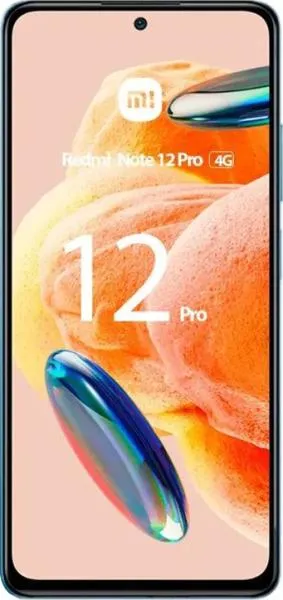
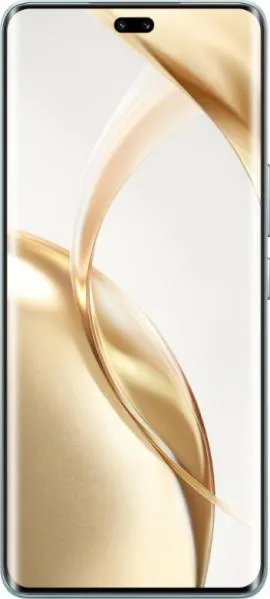
| Feature | Xiaomi Redmi Note 12 Pro 4G | Honor 200 Pro | Practical Impact |
|---|---|---|---|
| Design | |||
| Dimensions (mm) | 164.2 x 76.1 x 8.1 | 163.3 x 75.2 x 8.2 | Virtually identical in size and feel |
| Weight (g) | 201.8 | 199 | Negligible weight difference |
| Fingerprint Sensor | Side-mounted | Under-display | Preference-based, under-display often perceived as more premium |
| Display | |||
| Size (inches) | 6.67 | 6.78 | Honor slightly larger screen real estate |
| Resolution | 1080 x 2400 | 1224 x 2700 | Honor sharper display with higher pixel density (437 vs 395 ppi) noticeable in fine details and text |
| Type | AMOLED, 120Hz | OLED, 120Hz | Both offer smooth scrolling and vibrant colors; minor differences in color science and power efficiency possible due to unknown panel specifics. Honor's peak brightness (4000 nits vs 1100 nits) will be significantly brighter in direct sunlight. |
| Color Depth | Unknown | 1B colors | Honor capable of displaying a wider range of colors, resulting in more nuanced visuals |
| Performance | |||
| Chipset | Snapdragon 732G (8nm) | Snapdragon 8s Gen 3 (4nm) | Honor significantly faster and more power-efficient due to newer generation chip and smaller fabrication process. |
| CPU | Octa-core (2x2.2 GHz Kryo 470 Gold & 6x1.8 GHz Kryo 470 Silver) | Octa-core (1x3.0 GHz Cortex-X4 & 4x2.8 GHz Cortex-A720 & 3x2.0 GHz Cortex-A520) | Honor has a much more powerful CPU architecture leading to substantial performance gains in demanding tasks and multitasking. |
| GPU | Adreno 618 | Adreno 735 | Honor's GPU provides a significant leap in graphics performance, beneficial for gaming and graphically intensive applications. |
| RAM | 8GB | 12GB | Honor has significantly more RAM enabling better multitasking and smoother performance with many open applications. |
| OS | Android 11 | Android 14 | Honor ships with a newer Android version, offering newer features, potential performance improvements, and longer security updates. |
| Camera | |||
| Main Camera | 108MP | 50MP | Xiaomi has higher resolution; however, image quality depends on sensor size, pixel size, and processing. Honor uses a larger sensor (1/1.3" vs 1/1.52") potentially offering better low-light performance. |
| Ultrawide | 8MP | 12MP | Honor's ultrawide likely to produce better quality images. |
| Telephoto | None | 50MP with OIS | Honor offers optical zoom and optical image stabilization for telephoto, a significant advantage. |
| Video | 4K@30fps | 4K@30fps with OIS & EIS | Honor offers better video stabilization with both OIS and EIS. |
| Battery | |||
| Capacity | 5000 mAh | 5200 mAh | Honor slightly larger battery capacity. Real-world battery life depends heavily on usage and chip efficiency. The Honor's more efficient chip could offset the small capacity difference. |
2. Key Differences Analysis
Honor 200 Pro Advantages:
- Significantly superior performance: Newer and more powerful chipset, CPU, and GPU deliver a vastly improved user experience for demanding tasks and gaming.
- More modern OS: Android 14 offers the latest features, performance enhancements, and security updates.
- Better display: Sharper, brighter, and wider color gamut delivers a more immersive viewing experience.
- Superior camera system: Telephoto lens with OIS, higher quality ultrawide, and improved video stabilization enhance versatility and image quality.
- Future-proof with 5G: Offers faster cellular connectivity.
Xiaomi Redmi Note 12 Pro 4G Advantages:
- Potentially lower price: While pricing can vary, Xiaomi generally positions itself as a more budget-friendly brand.
- Higher resolution main camera: While not necessarily translating to better overall image quality, it might offer more detail in good lighting conditions.
Trade-offs:
- The Xiaomi Redmi Note 12 Pro 4G sacrifices performance, camera features, and display quality for a potentially lower price.
3. User Profiles & Recommendations
Honor 200 Pro: Users who prioritize performance, future-proofing with 5G, a high-quality display, a versatile camera system, and the latest software features. Ideal for demanding tasks, gaming, content creation, and mobile photography.
Xiaomi Redmi Note 12 Pro 4G: Budget-conscious users who primarily use their phones for basic tasks like social media, web browsing, and casual photography.
4. Decision Framework
Key Questions for Buyers:
- What is your budget? The Honor will likely be significantly more expensive.
- What are your primary phone usage patterns? For demanding tasks, the Honor is a clear winner. For basic usage, the Xiaomi might suffice.
- How important are camera quality and features? The Honor's superior camera system makes it a better choice for photography enthusiasts.
Scenario-Based Recommendations:
- Gamer: Honor 200 Pro
- Photographer/Videographer: Honor 200 Pro
- Budget-conscious user with basic needs: Xiaomi Redmi Note 12 Pro 4G
- User who wants the latest technology and future-proofing: Honor 200 Pro
My Choice: Honor 200 Pro
While price isn't specified, the significant performance difference, newer OS with longer support, superior display, and more versatile camera system of the Honor 200 Pro make it a far more compelling device for my needs. The benefits in terms of user experience outweigh the potential price difference. Even for a user with basic needs, the longevity provided by the more powerful and up-to-date hardware and software of the Honor would be a worthwhile investment. The leap in performance and features offered by the Snapdragon 8s Gen 3, coupled with the advancements in camera technology and display quality, positions the Honor 200 Pro as a clear winner in this comparison.
