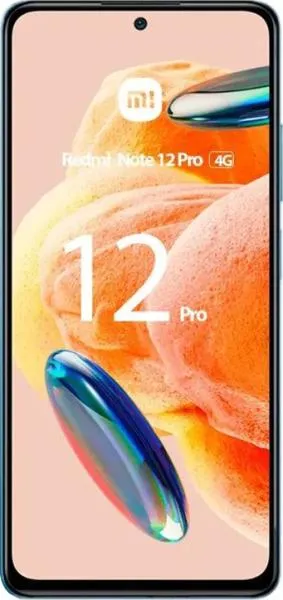

1. Specifications Comparison
| Feature | Xiaomi Redmi Note 12 Pro 4G | Honor 200 | Practical Impact |
|---|---|---|---|
| Design | |||
| Dimensions (mm) | 164.2 x 76.1 x 8.1 | 161.5 x 74.6 x 7.7 | Honor 200 is slightly smaller and thinner, potentially improving one-handed usability. |
| Weight (g) | 201.8 | 187 | Honor 200 is noticeably lighter, reducing hand fatigue during extended use. |
| Fingerprint Sensor | Side-mounted | Under-display | Preference-based; under-display often perceived as more modern. |
| Display | |||
| Display Type | AMOLED | OLED | Both offer excellent contrast and vibrant colors. |
| Display Size (inches) | 6.67 | 6.7 | Negligible size difference. |
| Resolution | 1080 x 2400 | 1200 x 2664 | Honor 200 has a sharper display due to higher resolution. |
| Refresh Rate (Hz) | 120 | 120 | Both offer smooth scrolling and animations. |
| Peak Brightness (nits) | 1100 | 4000 | Honor 200's significantly higher peak brightness ensures better outdoor visibility. |
| Color Depth | Not specified | 1B | Honor 200 supports a wider color gamut, leading to more accurate and realistic color reproduction. |
| Performance | |||
| Chipset | Snapdragon 732G (8nm) | Snapdragon 7 Gen 3 (4nm) | Honor 200's newer and more efficient chipset will deliver significantly better performance and power efficiency. |
| CPU | Octa-core (2x2.2 GHz Kryo 470 Gold & 6x1.8 GHz Kryo 470 Silver) | Octa-core (1x2.63 GHz Cortex-A715 & 4x2.4 GHz Cortex-A715 & 3x1.8 GHz Cortex-A510) | Honor 200 boasts a more powerful CPU architecture, resulting in faster app loading, smoother multitasking, and improved gaming performance. |
| GPU | Adreno 618 | Adreno 720 | Honor 200's superior GPU will provide a much better gaming experience and handle graphics-intensive tasks with ease. |
| RAM | 8GB | 12GB | More RAM on the Honor 200 allows for more apps to run in the background without performance slowdown. |
| Camera | |||
| Main Camera (MP) | 108 | 50 | While Redmi has higher megapixels, Honor uses a newer sensor (Sony IMX906) known for good low-light performance. Megapixel count isn't everything. |
| Ultrawide (MP) | 8 | 12 | Honor 200 likely offers a wider field of view and potentially better image quality for ultrawide shots. |
| Telephoto | No | 50MP | Honor 200 offers optical zoom capabilities, absent in Redmi. |
| Video Stabilization | Digital | OIS & EIS | Honor 200 will produce significantly smoother videos due to optical and electronic image stabilization. |
| Battery | |||
| Capacity (mAh) | 5000 | 5200 | Marginally larger battery in the Honor 200. Real-world difference might be minimal due to chipset efficiency differences. |
| OS | Android 11 | Android 14 | Honor 200 ships with a newer Android version, offering the latest features, security updates, and potentially longer software support. |
2. Key Differences Analysis
Honor 200 Advantages:
- Significantly better performance: Snapdragon 7 Gen 3, more RAM, and a superior GPU.
- Sharper display with better outdoor visibility: Higher resolution and peak brightness.
- More versatile camera system: Telephoto lens with OIS, superior video stabilization.
- Newer Android version: Android 14 offers newer features and longer software support.
- More modern design: Lighter and thinner body.
Xiaomi Redmi Note 12 Pro 4G Advantages:
- Potentially lower price: Given its older hardware.
3. User Profiles & Recommendations
Honor 200: Users who prioritize performance, a great camera, a vibrant display, and the latest software features. Ideal for demanding tasks like gaming, content creation, and media consumption.
Xiaomi Redmi Note 12 Pro 4G: Budget-conscious users who prioritize basic functionality and decent camera capabilities. Suitable for everyday tasks like browsing, social media, and casual photography.
4. Decision Framework
Key Questions:
- What is your budget? The Honor 200 is likely significantly more expensive.
- What are your performance needs? For demanding tasks, the Honor 200 is a clear winner.
- How important is camera quality and versatility? The Honor 200 offers a more advanced camera system.
My Choice: Honor 200
While the Redmi Note 12 Pro 4G might be a decent budget option, the Honor 200 offers a substantial upgrade in almost every aspect. The superior performance, display, camera, and newer software make it a more future-proof device. The price difference is likely justified by the significant technological advantages. The only reason to choose the Redmi would be a severely restricted budget.
