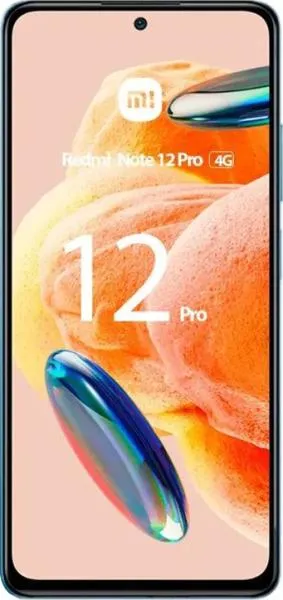
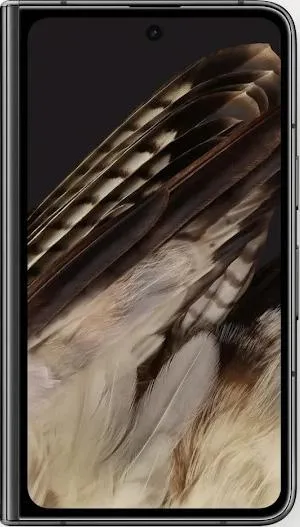
1. Specifications Comparison
| Feature | Xiaomi Redmi Note 12 Pro 4G | Google Pixel Fold | Practical Impact |
|---|---|---|---|
| Design | |||
| Dimensions (mm) | 164.2 x 76.1 x 8.1 | 139.7 x 158.7 x 5.8 (folded), varies unfolded | Pixel Fold significantly smaller when folded, but thicker and potentially less pocketable. Redmi Note 12 Pro thinner and lighter for everyday carry. |
| Weight (g) | 201.8 | 283 | Redmi Note 12 Pro noticeably lighter, reducing hand fatigue. Pixel Fold's weight reflects its complex folding mechanism and larger battery. |
| Foldable | No | Yes | Pixel Fold offers a larger, tablet-like inner display for multitasking and media consumption, but with added complexity and potential durability concerns. |
| Display | |||
| Display Type | AMOLED, 120Hz | Foldable OLED, 120Hz | Both offer smooth scrolling and animations. Pixel Fold's folding OLED introduces a crease and potential durability concerns but enables a larger screen in a smaller form factor. |
| Size (inches) | 6.67 | 5.8" (outer), 7.6" (inner) | Redmi Note 12 Pro offers a large, traditional smartphone display. Pixel Fold offers a smaller outer display for quick tasks and a large inner display for immersive experiences. |
| Resolution | 1080 x 2400 | 1080 x 2092 (outer), 1840 x 2208 (inner) | Comparable sharpness on outer displays. Pixel Fold's inner display offers more screen real estate for multitasking. |
| HDR | Dolby Vision | HDR10+ | Both support HDR content, enhancing visual quality with wider color gamuts and higher dynamic range. Differences between Dolby Vision and HDR10+ are often subtle. |
| Performance | |||
| Chipset | Snapdragon 732G (8 nm) | Google Tensor G2 (5 nm) | Tensor G2 significantly more powerful, enabling faster app loading, smoother multitasking, and better AI processing. Snapdragon 732G sufficient for everyday tasks but may struggle with demanding games or applications. |
| RAM | 8GB | 12GB | Pixel Fold's larger RAM allows for more apps to run in the background without performance degradation, benefiting heavy multitaskers. |
| OS | Android 11 | Android 13 | Pixel Fold comes with a more recent Android version and guaranteed future updates, offering newer features, security patches, and performance optimizations. |
| Camera | |||
| Main Camera | 108MP | 48MP | Redmi Note 12 Pro boasts higher resolution, potentially capturing more detail. Pixel Fold likely leverages Google's computational photography expertise for superior image quality despite lower resolution. |
| Video Capabilities | 4K@30fps | 4K@60fps with HDR | Pixel Fold offers higher resolution and frame rate video recording with HDR, resulting in smoother and more visually appealing videos. |
| Battery | |||
| Capacity | 5000 mAh | 4821 mAh | Comparable battery capacities. Real-world battery life will depend on usage patterns and the power efficiency of each device, especially with the Pixel Fold's larger inner display. |
2. Key Differences Analysis
Xiaomi Redmi Note 12 Pro 4G Advantages:
- Lower Price: Significantly more affordable.
- Lighter and Thinner: More comfortable for one-handed use and extended periods.
- Simpler Design: Traditional smartphone design with proven durability.
Google Pixel Fold Advantages:
- Foldable Display: Offers a larger screen for multitasking and media consumption.
- Significantly More Powerful: Tensor G2 chip provides a superior performance experience.
- Better Software and Updates: More recent Android version with longer update support.
- Superior Camera Features: Likely better image and video quality due to Google's computational photography.
Trade-offs:
- Price vs. Features: Pixel Fold offers cutting-edge technology at a premium price. Redmi Note 12 Pro provides good value for its price but compromises on performance and features.
- Portability vs. Screen Size: Pixel Fold's foldable design allows for a larger screen but compromises portability and adds weight.
- Complexity vs. Durability: Foldable phones are more complex and potentially less durable than traditional smartphones.
3. User Profiles & Recommendations
Xiaomi Redmi Note 12 Pro 4G:
- Budget-conscious users: Seeking a large screen and good battery life at an affordable price.
- Users prioritizing simplicity and reliability: Preferring a traditional smartphone design.
- Light users: Primarily using their phone for basic tasks like calling, texting, and social media.
Google Pixel Fold:
- Power users: Demanding top-tier performance and the latest software.
- Multitaskers: Benefitting from the larger inner display for productivity.
- Content creators: Utilizing the superior camera capabilities and large screen for editing.
- Early adopters: Embracing cutting-edge technology and willing to pay a premium.
4. Decision Framework
Key Questions:
- What is your budget? The Pixel Fold is significantly more expensive.
- How important is portability? The Redmi Note 12 Pro is lighter and thinner.
- What are your primary use cases? Consider whether you need the extra screen real estate and processing power of the Pixel Fold.
Scenario-Based Recommendations:
- Limited Budget, Everyday Use: Redmi Note 12 Pro
- Prioritizing Performance and Multitasking: Pixel Fold
- Seeking a Large Screen for Media Consumption on the Go: Pixel Fold
My Choice: Google Pixel Fold
While significantly more expensive, the Google Pixel Fold offers a compelling combination of innovative design, top-tier performance, and a superior software experience. The Tensor G2 chip, coupled with 12GB of RAM, ensures smooth multitasking and future-proof performance. The foldable display, although introducing complexities, provides a unique user experience for productivity and media consumption. While I acknowledge the price premium and potential durability concerns, the Pixel Fold's advanced features and Google's commitment to software updates make it a more compelling long-term investment for my needs. I value the flexibility of having a tablet-sized screen in a pocketable device and prioritize performance and software experience over raw battery capacity or a slightly thinner design. The Redmi Note 12 Pro is a solid budget option, but it doesn't align with my priorities as a tech enthusiast and heavy user.
