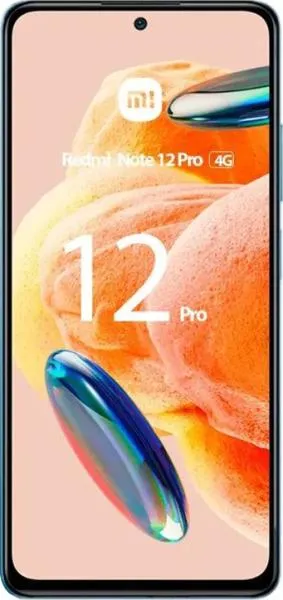
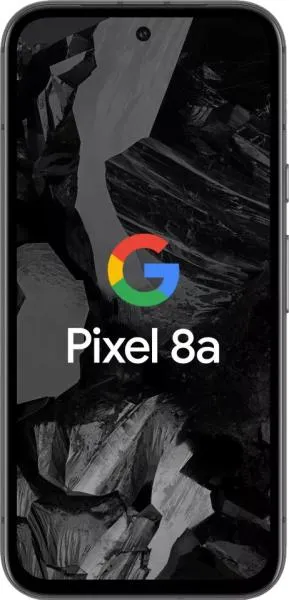
1. Specifications Comparison
| Feature | Xiaomi Redmi Note 12 Pro 4G | Google Pixel 8a | Practical Impact | |||||
|---|---|---|---|---|---|---|---|---|
| Design | ||||||||
| Dimensions (mm) | 164.2 x 76.1 x 8.1 | 152.1 x 72.7 x 8.9 | Pixel 8a is noticeably smaller and potentially easier to handle one-handed. | |||||
| Weight (g) | 201.8 | 188 | Pixel 8a is lighter, contributing to better portability and comfort. | |||||
| Display | ||||||||
| Size (inches) | 6.67 | 6.1 | Redmi offers a larger screen for more immersive media consumption, while Pixel 8a prioritizes one-handed usability. | |||||
| Resolution | 1080 x 2400 | 1080 x 2400 | Identical resolution, but Pixel 8a's smaller screen results in higher pixel density (sharper image). | |||||
| Type | AMOLED, 120Hz | OLED, 120Hz | Both offer smooth scrolling and animations. AMOLED generally provides deeper blacks and higher contrast. | |||||
| Peak Brightness | 1100 nits (typical), 1200nits(peak) | 2000 nits (peak) | Pixel 8a's significantly higher peak brightness ensures better visibility in direct sunlight. | Dolby Vision | Yes | No | Redmi Note 12 Pro supports Dolby Vision for enhanced HDR video playback. | |
| Performance | ||||||||
| Chipset | Snapdragon 732G (8nm) | Google Tensor G3 (4nm) | Tensor G3 offers significantly better performance and efficiency due to its more advanced architecture and manufacturing process. | |||||
| CPU | Octa-core (2x2.2 GHz Kryo 470 Gold & 6x1.8 GHz Kryo 470 Silver) | Nona-core (1x3.0 GHz Cortex-X3 & 4x2.45 GHz Cortex-A715 & 4x2.15 GHz Cortex-A510) | Tensor G3's more modern CPU architecture, including a powerful Cortex-X3 core, will deliver superior performance in demanding tasks and multitasking. | |||||
| GPU | Adreno 618 | Immortalis-G715s MC10 | Pixel 8a's GPU provides a substantial leap in graphics performance, beneficial for gaming and graphically intensive applications. | |||||
| OS | Android 11 | Android 14 | Pixel 8a launches with a newer Android version and significantly longer guaranteed software updates. | |||||
| Camera | ||||||||
| Main Camera | 108MP, f/1.9 | 64MP, f/1.89, OIS | Redmi boasts higher resolution, but Pixel's larger sensor, wider aperture, and OIS likely result in better overall image quality, especially in low light. | |||||
| Ultrawide | 8MP, f/2.2 | 13MP, f/2.2, Macro capability | Pixel 8a offers a higher resolution ultrawide with the added benefit of macro functionality. | |||||
| Selfie | 16MP, f/2.45 | 13MP, f/2.2 | Resolution difference is minor; practical image quality will depend on processing. | |||||
| Video | 4K@30fps | 4K@60fps with OIS | Pixel 8a can record higher quality video with smoother frame rates and optical stabilization. | |||||
| Battery | ||||||||
| Capacity (mAh) | 5000 | 4492 | Redmi has a larger battery capacity, potentially leading to longer battery life. However, Pixel's more efficient chip could offset this difference. | |||||
| Charging Speed | Not specified | Not specified | Cannot compare charging speeds without specific data. |
2. Key Differences Analysis
Xiaomi Redmi Note 12 Pro 4G Advantages:
- Larger display for more immersive media consumption.
- Potentially longer battery life due to higher capacity.
- Dolby Vision support for enhanced HDR video.
Google Pixel 8a Advantages:
- Significantly more powerful and efficient processor (Tensor G3).
- Superior camera system with OIS and better low-light performance.
- More compact and lightweight design.
- Newer Android version with longer software update support.
- 5G Connectivity
3. User Profiles & Recommendations
Xiaomi Redmi Note 12 Pro 4G:
- Ideal User: Budget-conscious users prioritizing media consumption and battery life over raw performance and camera quality.
- Use Cases: Watching videos, casual gaming, general social media usage.
Google Pixel 8a:
- Ideal User: Users who value performance, camera quality, software updates, and a compact design.
- Use Cases: Demanding mobile gaming, photography, multitasking, using AI-powered features.
4. Decision Framework
Key Questions for Buyers:
- What is your budget?
- What are your primary smartphone usage patterns (e.g., gaming, photography, social media)?
- How important are software updates and long-term support?
Scenario-Based Recommendations:
- Limited Budget, Primarily Media Consumption: Redmi Note 12 Pro 4G
- Balanced Budget, All-Around Performance: Google Pixel 8a
- Prioritize Camera and Future-Proofing: Google Pixel 8a
My Choice: Google Pixel 8a
While the Redmi Note 12 Pro offers a larger battery and display, the Pixel 8a's superior performance, camera system, significantly longer software support, and more modern features make it the clear winner for me. The Tensor G3 chip provides a substantial performance advantage, which translates to a smoother and more responsive user experience. The Pixel's camera is known for its excellent image quality, particularly in challenging lighting conditions. Finally, the guaranteed long-term software updates ensure the phone will remain secure and feature-rich for years to come. The slightly smaller battery is a minor trade-off for the significant gains in other areas. The more compact form factor is also a preference for me.
