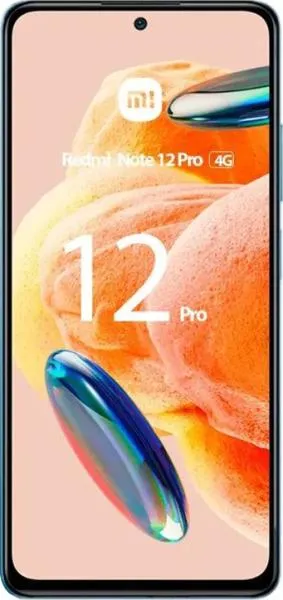

1. Specifications Comparison
| Feature | Xiaomi Redmi Note 12 Pro 4G | Google Pixel 8 Pro | Practical Impact |
|---|---|---|---|
| Design | |||
| Dimensions (mm) | 164.2 x 76.1 x 8.1 | 162.6 x 76.5 x 8.8 | Pixel 8 Pro slightly shorter and wider, a bit thicker. Negligible difference in daily use. |
| Weight (g) | 201.8 | 213 | Pixel 8 Pro slightly heavier, but the difference is minimal. |
| Build Material | Not specified | Not specified | Cannot compare without information. |
| Display | |||
| Display Type | AMOLED | LTPO OLED | Both offer excellent color and contrast. LTPO allows for dynamic refresh rate adjustment on Pixel 8 Pro, saving battery. |
| Display Size (inches) | 6.67 | 6.7 | Virtually identical screen sizes. |
| Resolution | 1080 x 2400 | 1344 x 2992 | Pixel 8 Pro has a significantly sharper display due to higher resolution, resulting in clearer text and images. |
| Refresh Rate (Hz) | 120 | 120 | Both offer smooth scrolling and animations. |
| Peak Brightness (nits) | 1100 | 2400 | Pixel 8 Pro gets much brighter, ensuring better visibility in direct sunlight. |
| Performance | |||
| Chipset | Snapdragon 732G (8 nm) | Google Tensor G3 (4 nm) | Tensor G3 is significantly more powerful and efficient due to smaller process node and newer architecture. Expect faster app loading, smoother multitasking, and better AI performance on the Pixel 8 Pro. |
| CPU | Octa-core (2x2.2 GHz Kryo 470 Gold & 6x1.8 GHz Kryo 470 Silver) | Nona-core (1x3.0 GHz Cortex-X3 & 4x2.45 GHz Cortex-A715 & 4x2.15 GHz Cortex-A510) | Pixel 8 Pro boasts a more powerful and modern CPU architecture, translating to significant performance gains. |
| RAM (GB) | 8 | 12 | More RAM on Pixel 8 Pro allows for better multitasking and smoother performance with demanding applications. |
| OS | Android 11 | Android 14 | Pixel 8 Pro runs the latest Android version with guaranteed updates for longer, offering new features, performance improvements, and enhanced security. |
| Camera | |||
| Main Camera (MP) | 108 | 50 | Pixel's computational photography prowess often outperforms higher megapixel counts, but real-world image comparisons are needed. |
| Ultrawide (MP) | 8 | 48 | Pixel offers a higher resolution ultrawide with potential for better detail and less distortion. |
| Telephoto (MP) | N/A | 48 | Pixel 8 Pro offers optical zoom capabilities, absent in Redmi Note 12 Pro. |
| Video Recording | 4K@30fps | 4K@60fps with HDR, OIS, EIS | Pixel 8 Pro offers higher resolution and frame rate video recording with stabilization and HDR, resulting in superior video quality. |
| Battery | |||
| Capacity (mAh) | 5000 | 5050 | Negligible difference in battery capacity. Pixel's LTPO display and efficient chip could potentially offer better battery life despite slightly larger capacity. |
| Charging Speed | Not specified | Not specified | Cannot compare without specific charging speeds. |
2. Key Differences Analysis
Xiaomi Redmi Note 12 Pro 4G Advantages:
- Potentially Lower Price: Likely more affordable than the Pixel 8 Pro.
Google Pixel 8 Pro Advantages:
- Significantly Superior Performance: Tensor G3 chip offers a major performance advantage for demanding tasks and gaming.
- Sharper Display: Higher resolution and peak brightness provide a more enjoyable viewing experience.
- More Advanced Camera System: Superior hardware and Google's computational photography algorithms likely result in better image and video quality.
- Latest Software and Longer Updates: Ensures access to new features and security patches for an extended period.
- 5G Connectivity: Offers faster mobile data speeds and improved network capabilities.
Trade-offs:
- Price: The Pixel 8 Pro's advanced features come at a premium price.
3. User Profiles & Recommendations
Xiaomi Redmi Note 12 Pro 4G:
- Budget-conscious users: Prioritize affordability over top-tier performance and features.
- Light users: Primarily use their phone for basic tasks like calling, texting, and social media.
Google Pixel 8 Pro:
- Power users: Demand top-tier performance for gaming, multitasking, and demanding applications.
- Photography enthusiasts: Prioritize excellent camera quality and advanced features.
- Users who value software updates: Want the latest Android features and security patches for an extended period.
4. Decision Framework
Key Questions for Buyers:
- What is your budget? The Pixel 8 Pro is significantly more expensive.
- What are your primary phone usage patterns? For basic tasks, the Redmi Note 12 Pro may suffice. For demanding tasks and gaming, the Pixel 8 Pro is a better choice.
- How important is camera quality and software updates to you? The Pixel 8 Pro excels in both areas.
Scenario-Based Recommendations:
- Limited Budget: Redmi Note 12 Pro 4G
- Best Overall Performance and Features: Google Pixel 8 Pro
- Best Camera and Software: Google Pixel 8 Pro
My Choice: Google Pixel 8 Pro
While the Redmi Note 12 Pro 4G offers decent features for its price range, the Google Pixel 8 Pro is the clear winner for me. The significantly more powerful processor, superior camera system, sharper display, guaranteed software updates, and 5G connectivity make it a far more compelling device. Although the price is higher, the long-term benefits of the Pixel 8 Pro, especially in terms of performance, software longevity, and camera capabilities, justify the investment for my needs. I prioritize a smooth user experience, future-proofing through software updates, and capturing high-quality photos and videos. The Pixel 8 Pro excels in all these areas.
