1. Specifications Comparison
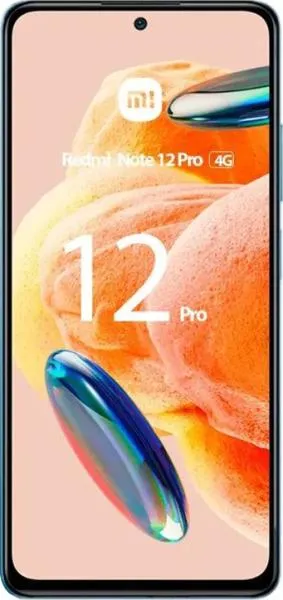
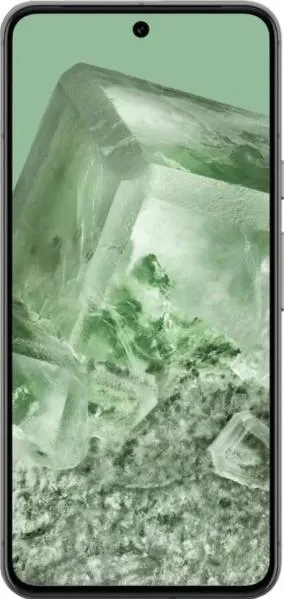
| Feature | Xiaomi Redmi Note 12 Pro 4G | Google Pixel 8 | Practical Impact |
|---|---|---|---|
| Design | |||
| Dimensions (mm) | 164.2 x 76.1 x 8.1 | 150.5 x 70.8 x 8.9 | Pixel 8 is noticeably smaller and easier to handle one-handed. |
| Weight (g) | 201.8 | 187 | Pixel 8 is lighter, reducing hand fatigue during extended use. |
| Build Material | Unspecified | Unspecified | Material differences could impact durability and premium feel; information is lacking. |
| Display | |||
| Display Type | AMOLED, 120Hz | OLED, 120Hz | Both offer smooth scrolling and animations thanks to 120Hz. |
| Display Size (inches) | 6.67 | 6.2 | Redmi provides a larger screen for media consumption, Pixel 8 offers better one-handed usability. |
| Resolution | 1080 x 2400 | 1080 x 2400 | Similar sharpness despite size difference due to Pixel 8's higher pixel density. |
| Peak Brightness (nits) | 1100 | 2000 | Pixel 8's significantly higher peak brightness ensures better visibility outdoors. |
| HDR | Dolby Vision | HDR10+ | Both support HDR standards for enhanced video quality; specific content availability may vary. |
| Performance | |||
| Chipset | Snapdragon 732G (8nm) | Google Tensor G3 (4nm) | Tensor G3, built on a more advanced process, should offer significantly better performance and power efficiency. |
| CPU | Octa-core (2x2.2 GHz Kryo 470 Gold & 6x1.8 GHz Kryo 470 Silver) | Nona-core (1x3.0 GHz Cortex-X3 & 4x2.45 GHz Cortex-A715 & 4x2.15 GHz Cortex-A510) | Tensor G3's more modern architecture, including a Cortex-X3 core, will deliver superior performance in demanding tasks. |
| GPU | Adreno 618 | Immortalis-G715s MC10 | Pixel 8 will have a clear advantage in graphics-intensive tasks and gaming. |
| RAM | 8GB | 8GB | Both offer ample RAM for multitasking. |
| OS | Android 11 | Android 14 | Pixel 8 comes with the latest Android version, guaranteeing longer software support and newer features. |
| Camera | |||
| Main Camera (MP) | 108 | 50 | Redmi boasts higher resolution, but Pixel's computational photography often compensates for lower resolution with superior image processing. |
| Ultrawide (MP) | 8 | 12 | Pixel 8 offers a slightly higher resolution ultrawide. |
| Video Recording | 4K@30fps | 4K@60fps with HDR, OIS, EIS | Pixel 8 provides higher resolution and frame rate video recording with advanced stabilization. |
| Battery | |||
| Capacity (mAh) | 5000 | 4575 | Redmi has a larger battery capacity, potentially offering longer battery life. However, the Tensor G3's efficiency could counter this difference. |
| Charging Speed | Unspecified | Unspecified | Charging speed comparison is not possible without specific data. |
2. Key Differences Analysis
Xiaomi Redmi Note 12 Pro 4G Advantages:
- Larger display for immersive media consumption.
- Potentially longer battery life due to higher capacity.
- More affordable price point.
Google Pixel 8 Advantages:
- Significantly more powerful processor and GPU, leading to smoother performance and better gaming.
- More advanced camera features and video recording capabilities.
- Latest Android version with guaranteed longer software updates.
- Smaller and lighter form factor, enhancing one-handed usability.
- Brighter display for improved outdoor visibility.
3. User Profiles & Recommendations
Redmi Note 12 Pro 4G: Budget-conscious users prioritizing a large display for media consumption and long battery life. Suitable for casual gaming and everyday tasks.
Pixel 8: Users who value performance, camera quality, software updates, and a premium user experience. Ideal for demanding tasks, mobile gaming, and photography enthusiasts.
4. Decision Framework
Key Questions for Buyers:
- What is your budget? The Redmi offers a more affordable option.
- What are your primary use cases? Gaming and photography enthusiasts will prefer the Pixel 8; media consumption and battery life prioritize the Redmi.
- How important are software updates and future-proofing? The Pixel 8, running the latest Android, will receive longer support.
My Choice: Google Pixel 8
While the Redmi Note 12 Pro 4G offers a larger battery and display at a lower price, the Pixel 8's superior performance, advanced camera capabilities, latest software, and longer-term support make it a more compelling choice for me. The Tensor G3 chip's AI capabilities and overall user experience offered by Google's software make it a more future-proof investment. Though the Redmi may offer better battery life, the Pixel 8's smaller size and lighter weight are more appealing for daily use. The significance of updated software and a more powerful processor outweighs the benefits of a slightly larger battery and display in my personal preference.
