1. Specifications Comparison
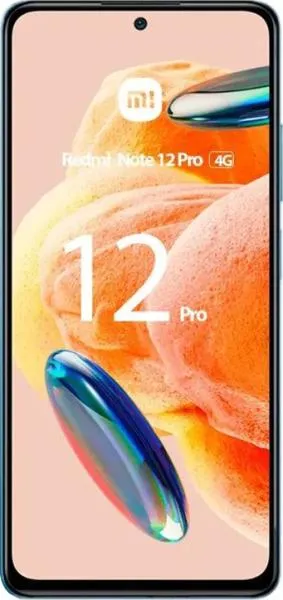
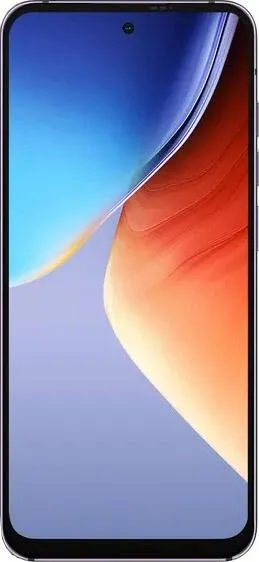
| Feature | Xiaomi Redmi Note 12 Pro 4G | Blackview A96 | Practical Impact |
|---|---|---|---|
| Design | |||
| Dimensions (mm) | 164.2 x 76.1 x 8.1 | 161.8 x 74.2 x 8.6 | Redmi is slightly taller and wider, Blackview slightly thicker. Negligible difference in everyday use. |
| Weight (g) | 201.8 | 193.9 | Redmi is slightly heavier, but the difference is minimal. |
| Display | |||
| Display Type | AMOLED, 120Hz | IPS LCD, 120Hz | Redmi's AMOLED offers deeper blacks, more vibrant colors, and potentially better power efficiency. Blackview's LCD might be slightly brighter in direct sunlight. |
| Size (inches) | 6.67 | 6.5 | Redmi offers a slightly larger screen for more immersive content consumption. |
| Resolution | 1080 x 2400 | 1080 x 2400 | Identical resolution, resulting in similar sharpness on both devices. |
| Dolby Vision | Yes | No | Redmi supports Dolby Vision for enhanced HDR video playback with compatible content, offering better dynamic range and color accuracy. |
| Performance | |||
| Chipset | Snapdragon 732G (8nm) | Helio G99 (6nm) | Helio G99 is newer and built on a smaller process, potentially offering better power efficiency and slightly improved performance in some tasks. |
| CPU | Octa-core (2x2.2 GHz Kryo 470 Gold & 6x1.8 GHz Kryo 470 Silver) | Octa-core (2x2.2 GHz Cortex-A76 & 6x2.0 GHz Cortex-A55) | While both are octa-core, architectural differences make direct comparison difficult. Real-world performance differences might be minor for average users. |
| GPU | Adreno 618 | Mali-G57 MC2 | Adreno 618 generally offers better gaming performance. |
| RAM | 8GB | Up to 12GB | Blackview offers a higher RAM configuration, potentially improving multitasking and handling demanding applications. However, 8GB is sufficient for most users. |
| OS | Android 11 | Android 13 | Blackview comes with a newer Android version out of the box, offering potential feature and security advantages. |
| Camera | |||
| Main Camera | 108MP | 48MP | Redmi has a significantly higher resolution main camera, potentially capturing more detail. However, image quality depends on factors beyond resolution. |
| Video Recording | 4K@30fps | 1440p@30fps | Redmi can record videos at a higher resolution (4K). |
| Battery | |||
| Capacity | 5000 mAh | 4380 mAh | Redmi offers a larger battery capacity, potentially leading to longer battery life. |
2. Key Differences Analysis
Xiaomi Redmi Note 12 Pro 4G Advantages:
- Superior Display: AMOLED with Dolby Vision offers a significantly better visual experience for media consumption.
- Higher Resolution Camera: The 108MP main camera potentially captures more detail.
- Larger Battery: Potentially longer battery life.
- 4K Video Recording: Enables higher resolution video capture.
Blackview A96 Advantages:
- Newer OS: Android 13 offers the latest features and security updates.
- More RAM in Top Configuration: The 12GB RAM option provides better multitasking capabilities for power users.
- Potentially More Efficient Chipset: The 6nm Helio G99 might offer better battery life compared to the 8nm Snapdragon 732G.
- Lower Price: The Blackview A96 generally comes at a lower price point.
3. User Profiles & Recommendations
Xiaomi Redmi Note 12 Pro 4G: Ideal for users who prioritize media consumption, photography, and longer battery life. Suitable use cases include watching videos, playing games, and taking photos/videos.
Blackview A96: Suitable for budget-conscious users who prioritize a newer operating system and ample RAM for multitasking. Best for everyday tasks, social media, and light gaming. The higher RAM option is good for power users who frequently run many apps simultaneously.
4. Decision Framework
Key Questions for Buyers:
- What is your budget? The Blackview A96 is generally more affordable.
- What is your primary use case? Media consumption favors the Redmi, while multitasking favors the Blackview.
- How important is display quality? The Redmi's AMOLED screen is significantly better.
Scenario-Based Recommendations:
- Limited Budget, General Use: Blackview A96
- Media Consumption Focused: Xiaomi Redmi Note 12 Pro 4G
- Power User on a Budget: Blackview A96 (12GB RAM version)
My Choice: Xiaomi Redmi Note 12 Pro 4G
Reasoning: While the Blackview A96 offers a newer OS and more RAM in its top configuration, the Redmi Note 12 Pro 4G's superior AMOLED display, larger battery, higher resolution camera, and 4K video recording are more compelling to me. I prioritize a great visual experience and reliable battery life, and the Redmi delivers on these aspects. The slightly older Android version is less of a concern as it likely still receives security updates. While price is a factor, the difference isn't significant enough to outweigh the Redmi's advantages in my personal use case.
