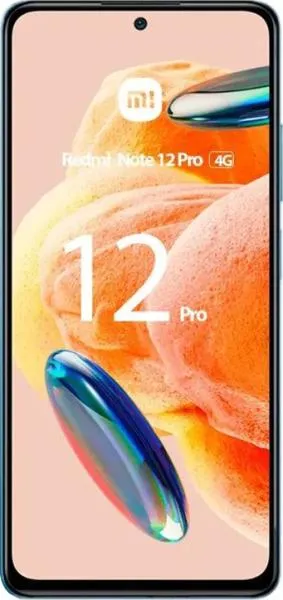
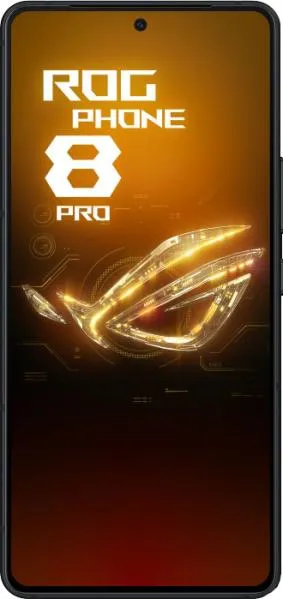
1. Specifications Comparison
| Feature | Xiaomi Redmi Note 12 Pro 4G | Asus ROG Phone 8 Pro | Practical Impact |
|---|---|---|---|
| Design | |||
| Dimensions (mm) | 164.2 x 76.1 x 8.1 | 163.8 x 76.8 x 8.9 | ROG Phone 8 Pro slightly wider and thicker. Negligible difference in daily use. |
| Weight (g) | 201.8 | 225 | ROG Phone 8 Pro noticeably heavier, potentially impacting one-handed use. |
| Display | |||
| Size (inches) | 6.67 | 6.78 | ROG Phone 8 Pro slightly larger, offering marginally more screen real estate. |
| Resolution | 1080 x 2400 | 1080 x 2400 | Identical resolution, resulting in similar sharpness despite size difference. |
| Refresh Rate (Hz) | 120 | 165 | ROG Phone 8 Pro's higher refresh rate provides smoother animations and scrolling, especially noticeable in gaming and fast-paced content. |
| Display Type | AMOLED | LTPO AMOLED | Both offer vibrant colors and deep blacks. LTPO allows for dynamic refresh rate adjustment on the ROG Phone 8 Pro, potentially saving battery. ROG Phone also supports 1 billion colors for smoother color gradients compared to Redmi Note 12 Pro's unspecified color depth. |
| Peak Brightness (nits) | 1100 | 2500 | ROG Phone 8 Pro significantly brighter, ensuring better visibility in direct sunlight. |
| Performance | |||
| Chipset | Snapdragon 732G (8nm) | Snapdragon 8 Gen 3 (4nm) | ROG Phone 8 Pro vastly more powerful, enabling significantly faster performance in demanding tasks and gaming. |
| CPU | Octa-core (2x2.2 GHz Kryo 470 Gold & 6x1.8 GHz Kryo 470 Silver) | Octa-core (1x3.3 GHz Cortex-X4 & 3x3.2 GHz Cortex-A720 & 2x3.0 GHz Cortex-A720 & 2x2.3 GHz Cortex-A520) | ROG Phone 8 Pro's newer CPU architecture provides significant performance and efficiency improvements. |
| GPU | Adreno 618 | Adreno 750 | ROG Phone 8 Pro's GPU offers drastically improved graphics performance for gaming and visually intensive applications. |
| RAM (GB) | 8 | 16/24 | ROG Phone 8 Pro has significantly more RAM, enabling better multitasking and preventing app closures in the background. |
| Camera | |||
| Main Camera (MP) | 108 | 50 | While Redmi Note 12 Pro boasts higher megapixels, the ROG Phone 8 Pro likely utilizes a superior sensor (Sony IMX890) known for excellent image quality. Megapixel count doesn't directly translate to better image quality. |
| Video Recording | 4K@30fps | 8K@24fps | ROG Phone 8 Pro capable of higher resolution video recording. |
| Battery | |||
| Capacity (mAh) | 5000 | 5500 | ROG Phone 8 Pro has a slightly larger battery capacity, but real-world battery life depends on various factors including software optimization and display usage. |
2. Key Differences Analysis
Xiaomi Redmi Note 12 Pro 4G Advantages:
- Potentially more affordable: Likely priced lower than the ROG Phone 8 Pro.
- Lighter and slimmer: Easier for one-handed use and pocket portability.
Asus ROG Phone 8 Pro Advantages:
- Significantly more powerful: Superior performance for gaming, multitasking, and demanding applications.
- Higher refresh rate display: Smoother visuals and improved responsiveness.
- Brighter display: Excellent outdoor visibility.
- More RAM: Handles multitasking with ease.
- Superior Camera System: Potentially better image and video quality due to the sensor used despite lower megapixel count on the main lens. Offers more versatile camera features like optical zoom and optical image stabilization.
- Larger Battery: Potentially longer battery life.
- More recent OS: Access to newer features and longer software support lifecycle.
Trade-offs:
- Price: The ROG Phone 8 Pro is considerably more expensive.
- Size and Weight: The ROG Phone 8 Pro is larger and heavier, potentially less comfortable for some users.
3. User Profiles & Recommendations
Xiaomi Redmi Note 12 Pro 4G:
- Budget-conscious users: Prioritizing affordability over top-tier performance.
- Casual users: Primarily using their phone for social media, browsing, and light gaming.
Asus ROG Phone 8 Pro:
- Gamers: Demanding high performance and smooth frame rates for mobile gaming.
- Power users: Requiring top-tier performance for multitasking and demanding applications.
- Content creators: Utilizing the camera for high-quality photos and videos.
4. Decision Framework
Key Questions for Buyers:
- What is your budget? The ROG Phone 8 Pro is significantly more expensive.
- What are your primary use cases? Casual users might find the Redmi Note 12 Pro sufficient, while gamers and power users will appreciate the ROG Phone 8 Pro's performance.
- Do you prioritize portability and one-handed use? The Redmi Note 12 Pro is lighter and slimmer.
Scenario-Based Recommendations:
- Limited budget, casual usage: Redmi Note 12 Pro 4G
- High budget, demanding gaming and multitasking: Asus ROG Phone 8 Pro
My Choice: Asus ROG Phone 8 Pro
While significantly more expensive, the Asus ROG Phone 8 Pro is the clear winner for me. The substantial performance upgrade offered by the Snapdragon 8 Gen 3, coupled with the higher refresh rate, brighter display, greater RAM, and potentially superior camera system makes it a much more future-proof device. I value smooth performance, excellent visuals, and the ability to run demanding applications without any lag. While the extra weight is a minor drawback, the overall benefits of the ROG Phone 8 Pro outweigh the compromises for my usage patterns. The longer software support lifecycle ensured by the newer Android version is also a significant factor in my decision.
