
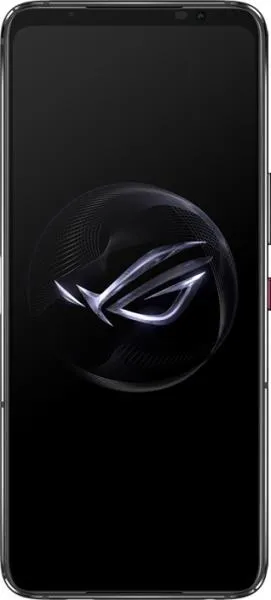
1. Specifications Comparison
| Feature | Xiaomi Redmi Note 12 Pro 4G | Asus ROG Phone 7 | Practical Impact |
|---|---|---|---|
| Design | |||
| Dimensions (mm) | 164.2 x 76.1 x 8.1 | 173 x 77 x 10.3 | ROG Phone 7 is larger and thicker. Impacts portability and one-handed use. |
| Weight (g) | 201.8 | 239 | ROG Phone 7 is significantly heavier. Noticeable in extended use. |
| Build | Unspecified | Unspecified | Build material impacts durability and premium feel. Lack of information limits comparison. |
| Display | |||
| Size (inches) | 6.67 | 6.78 | Negligible size difference. |
| Resolution | 1080 x 2400 | 1080 x 2448 | Virtually identical sharpness. |
| Type | AMOLED | AMOLED | Both offer vibrant colors and deep blacks. |
| Refresh Rate (Hz) | 120 | 165 | ROG Phone 7's higher refresh rate provides smoother animations and scrolling, especially beneficial for gaming. |
| HDR | Dolby Vision | HDR10+ | Both support HDR for enhanced video content; different formats but similar benefits in practice. |
| Peak Brightness (nits) | 1100 | 1500 | ROG Phone 7's higher peak brightness offers better visibility in direct sunlight. |
| Performance | |||
| Chipset | Snapdragon 732G (8nm) | Snapdragon 8 Gen 2 (4nm) | ROG Phone 7 has a significantly more powerful processor, resulting in much faster performance in demanding tasks and games. |
| CPU | Octa-core (2x2.2 GHz Kryo 470 Gold & 6x1.8 GHz Kryo 470 Silver) | Octa-core (1x3.2 GHz Cortex-X3 & 2x2.8 GHz Cortex-A715 & 2x2.8 GHz Cortex-A710 & 3x2.0 GHz Cortex-A510) | ROG Phone 7's CPU architecture and clock speeds offer superior multi-tasking and heavy workload handling. |
| GPU | Adreno 618 | Adreno 740 | ROG Phone 7 boasts a much more capable GPU for significantly improved gaming performance and graphics rendering. |
| RAM | 8GB | 16GB | More RAM on ROG Phone 7 allows for smoother multitasking and handling more demanding applications. |
| Camera | |||
| Main Camera (MP) | 108 | 50 | Redmi Note 12 Pro has higher megapixel count, but sensor size and other factors also contribute to image quality. Practical difference depends on specific sensor performance, not solely on megapixels. |
| Ultrawide (MP) | 8 | 13 | ROG Phone 7's ultrawide offers slightly higher resolution. |
| Selfie Camera (MP) | 16 | 32 | ROG Phone 7 offers a higher resolution selfie camera. |
| Video Recording | 4K@30fps | 8K@24fps | ROG Phone 7 supports higher resolution video recording. |
| Battery | |||
| Capacity (mAh) | 5000 | 6000 | ROG Phone 7 offers larger battery capacity, potentially translating to longer usage time. Actual battery life depends on usage patterns and optimization. |
2. Key Differences Analysis
Xiaomi Redmi Note 12 Pro 4G Advantages:
- More Affordable: Positioned in the medium price range.
- Potentially Lighter and More Compact: Could be more comfortable for some users.
Asus ROG Phone 7 Advantages:
- Significantly More Powerful: Superior CPU and GPU for demanding tasks and gaming.
- Higher Refresh Rate Display: Smoother visuals, especially for gaming.
- Larger Battery: Potential for longer battery life.
- More RAM: Better multitasking capabilities.
- Higher Resolution Video Recording: Up to 8K recording.
- More Up-to-Date Software: Ships with Android 13 and guaranteed updates to Android 15.
3. User Profiles & Recommendations
Xiaomi Redmi Note 12 Pro 4G:
- Budget-conscious users: Prioritize affordability over top-tier performance.
- Casual users: Primarily use phone for social media, browsing, and light gaming.
Asus ROG Phone 7:
- Gamers: Demand high performance and smooth frame rates for mobile gaming.
- Power users: Multitask heavily and run demanding applications.
- Content creators: Utilize high-resolution video recording capabilities.
4. Decision Framework
Key Questions for Buyers:
- What is your budget? The ROG Phone 7 is significantly more expensive.
- What are your primary use cases? Gaming and demanding tasks benefit from the ROG Phone 7's power.
- How important is portability? The Redmi Note 12 Pro 4G is likely lighter and more compact.
My Choice: Asus ROG Phone 7
While the Redmi Note 12 Pro 4G offers good value for its price, the Asus ROG Phone 7 is the clear winner for me. The significantly improved performance, smoother display, larger battery, and longer software support justify the higher price. I prioritize a future-proof device capable of handling demanding tasks and providing a premium user experience, even if it comes with a larger footprint and weight. The gaming-focused features are less important to me personally, but the underlying hardware improvements benefit all users.
