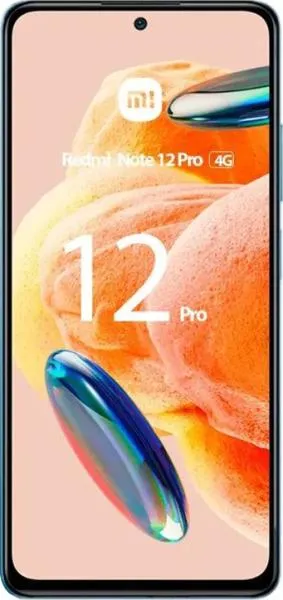
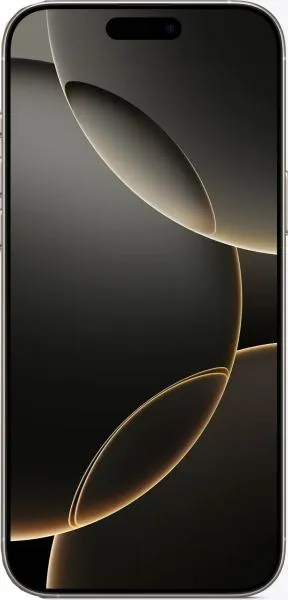
1. Specifications Comparison
| Feature | Xiaomi Redmi Note 12 Pro 4G | Apple iPhone 16 Pro Max | Practical Impact |
|---|---|---|---|
| Design | |||
| Dimensions (mm) | 164.2 x 76.1 x 8.1 | 163 x 77.6 x 8.3 | iPhone 16 Pro Max slightly wider and thicker, but shorter. Negligible difference in everyday use. |
| Weight (g) | 201.8 | 227 | iPhone noticeably heavier (25g). Can impact one-handed use and pocket comfort. |
| Build Material | Missing | Missing | Cannot compare build quality and durability. |
| Display | |||
| Display Type | AMOLED | LTPO Super Retina XDR OLED | Both offer excellent color and contrast. iPhone's LTPO allows for dynamic refresh rate, saving battery. |
| Display Size (inches) | 6.67 | 6.9 | iPhone has a larger display, better for media consumption and multitasking. |
| Resolution | 1080 x 2400 | 1320 x 2868 | iPhone has a sharper display due to higher resolution and pixel density. |
| Refresh Rate (Hz) | 120 | 120 | Both offer smooth scrolling and animations. |
| Peak Brightness (nits) | 1100 | 2000 | iPhone's significantly higher peak brightness improves outdoor visibility. |
| Performance | |||
| Chipset | Snapdragon 732G (8 nm) | Apple A18 Pro (3 nm) | A18 Pro significantly more powerful, enabling faster performance and smoother multitasking. |
| CPU | Octa-core (2x2.2 GHz Kryo 470 Gold & 6x1.8 GHz Kryo 470 Silver) | Hexa-core (2x4.05 GHz + 4x2.42 GHz) | A18 Pro offers superior processing power due to newer architecture and higher clock speeds. |
| GPU | Adreno 618 | Apple GPU (6-core graphics) | Apple GPU expected to be significantly more powerful, especially for gaming and graphics-intensive tasks. |
| RAM (GB) | 8 | 8 | Similar RAM capacity. |
| Camera | |||
| Rear Camera (MP) | 108 MP Main, 8 MP Wide, 2 MP Depth, 5 MP Macro | 48 MP Main, 48 MP Ultrawide, 12 MP Telephoto | Both have versatile camera systems. iPhone expected to have superior image quality due to advanced processing and larger sensors. |
| Front Camera (MP) | 16 | 12 | Resolution difference less important than sensor and processing for selfie quality. |
| Video Recording | 4K@30fps | Up to 4K@120fps with HDR | iPhone offers superior video recording capabilities with higher frame rates and HDR. |
| Battery | |||
| Capacity (mAh) | 5000 | 4685 | Redmi Note 12 Pro has a larger battery capacity, but real-world battery life depends on optimization. |
| Charging Speed | Missing | Missing | Cannot compare charging speeds. |
2. Key Differences Analysis
Xiaomi Redmi Note 12 Pro 4G Advantages:
- Larger Battery: Potentially longer battery life, but needs real-world testing to confirm.
- Lower Price: Significantly more affordable.
Apple iPhone 16 Pro Max Advantages:
- Significantly More Powerful: A18 Pro chip offers a major performance advantage for demanding tasks and future-proofing.
- Superior Display: Brighter, sharper, and more power-efficient due to LTPO technology.
- Advanced Camera System: Expected to deliver better image and video quality due to larger sensors and computational photography.
- Faster USB Connectivity: USB 3.2 Gen 2 enables much faster data transfer speeds.
- Longer Software Support: iOS typically receives longer software updates compared to Android.
3. User Profiles & Recommendations
Xiaomi Redmi Note 12 Pro 4G:
- Budget-conscious users: Prioritize affordability over top-tier performance.
- Light to moderate users: Primarily use phone for basic tasks like calling, texting, social media, and web browsing.
Apple iPhone 16 Pro Max:
- Power users: Demand top-tier performance for gaming, video editing, and multitasking.
- Content creators: Need a high-quality camera system for photos and videos.
- Users prioritizing long-term software updates: Value consistent software updates and security patches.
4. Decision Framework
Key Questions for Buyers:
- What is your budget? The iPhone 16 Pro Max is significantly more expensive.
- What are your primary phone usage patterns? For basic tasks, the Redmi Note 12 Pro may suffice. For demanding tasks, the iPhone 16 Pro Max is better suited.
- How important are factors like display quality, camera performance, and software updates? The iPhone excels in these areas.
My Choice: Apple iPhone 16 Pro Max
While significantly more expensive, the iPhone 16 Pro Max offers a substantial upgrade in performance, display, camera, and long-term software support. The A18 Pro chip's power ensures a smooth user experience for years to come, and the superior camera system is a major draw for photography enthusiasts. Although the Redmi Note 12 Pro provides good value for its price, the iPhone's overall package justifies the premium for users who prioritize performance and long-term usability. The larger, brighter display and expected superior camera performance are significant factors influencing my decision. While battery life is a concern, Apple's chip efficiency and iOS optimizations often mitigate the smaller battery capacity compared to Android counterparts. Ultimately, the iPhone 16 Pro Max represents a more future-proof investment.
