1. Specifications Comparison
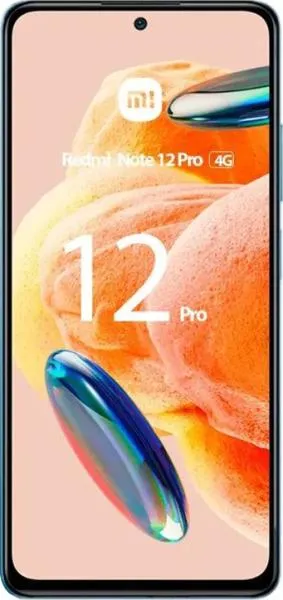
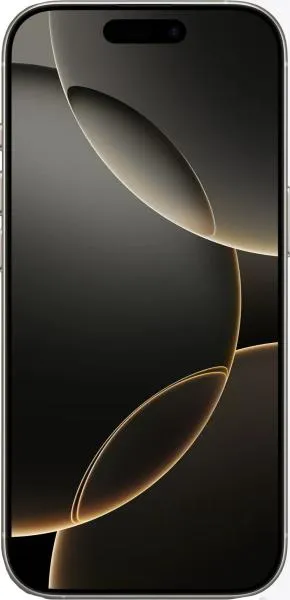
| Feature | Xiaomi Redmi Note 12 Pro 4G | Apple iPhone 16 Pro | Practical Impact |
|---|---|---|---|
| Design | |||
| Dimensions (mm) | 164.2 x 76.1 x 8.1 | 149.6 x 71.5 x 8.3 | iPhone 16 Pro is noticeably smaller and slightly thinner, making it more pocketable. |
| Weight (g) | 201.8 | 199 | Negligible weight difference. |
| Build Material | Not specified | Not specified | Cannot compare build quality without material information. |
| Display | |||
| Display Type | AMOLED | LTPO Super Retina XDR OLED | Both offer excellent image quality with vibrant colors and deep blacks. iPhone's LTPO allows for dynamic refresh rate adjustment, saving battery. |
| Display Size (inches) | 6.67 | 6.3 | Redmi offers a larger screen for more immersive media consumption, while the iPhone is more one-hand friendly. |
| Resolution (px) | 1080 x 2400 | 1206 x 2622 | iPhone has a sharper display with higher pixel density (460 ppi vs 395 ppi). |
| Refresh Rate (Hz) | 120 | 120 | Both offer smooth scrolling and animations. |
| Peak Brightness (nits) | 1100 | 2000 | iPhone's significantly higher peak brightness ensures better visibility in direct sunlight. |
| Performance | |||
| Chipset | Snapdragon 732G (8 nm) | Apple A18 Pro (3 nm) | A18 Pro offers significantly faster processing power and improved efficiency due to its advanced 3nm process. |
| CPU | Octa-core (2x2.2 GHz Kryo 470 Gold & 6x1.8 GHz Kryo 470 Silver) | Hexa-core (2x4.05 GHz + 4x2.42 GHz) | A18 Pro's higher clock speeds and optimized architecture translate to superior performance in demanding tasks and gaming. |
| GPU | Adreno 618 | Apple GPU (6-core graphics) | Apple's custom GPU provides a substantial advantage in graphics performance for gaming and other visually intensive applications. |
| RAM (GB) | 8 | 8 | Both phones have sufficient RAM for multitasking. |
| OS | Android 11 | iOS 18 | OS preference is subjective, but iOS is known for its simplicity and long-term software support. Android offers more customization options. |
| Camera | |||
| Main Camera (MP) | 108 | 48 | Megapixel count doesn't solely determine image quality. iPhone utilizes advanced image processing and larger sensor size for potentially better low-light performance and dynamic range. |
| Ultrawide (MP) | 8 | 48 | iPhone offers a much higher resolution ultrawide camera. |
| Telephoto (MP) | N/A | 12 | iPhone includes a dedicated telephoto lens for optical zoom, which Redmi lacks. |
| Video Recording | 4K@30fps | Up to 4K@120fps with HDR and Dolby Vision | iPhone offers superior video recording capabilities with higher frame rates, HDR, and Dolby Vision. |
| Battery | |||
| Capacity (mAh) | 5000 | 3582 | Redmi has a significantly larger battery capacity, potentially offering longer battery life despite its larger display. iPhone's LTPO display and efficient chip mitigate the smaller battery. |
| Charging Speed | Not specified | Not specified | Cannot compare charging speeds without specific data. |
2. Key Differences Analysis
Xiaomi Redmi Note 12 Pro 4G Advantages:
- Larger Display: More immersive experience for media consumption.
- Potentially Longer Battery Life: Larger battery capacity suggests better longevity.
- Lower Price: Significantly more affordable.
Apple iPhone 16 Pro Advantages:
- Significantly Faster Performance: A18 Pro chip provides a substantial performance advantage.
- Superior Camera System: Higher quality sensors, telephoto lens, advanced image processing, and superior video recording.
- Premium Display: Brighter, sharper, and more power-efficient with LTPO technology.
- More Up-to-Date OS: iOS 18 offers the latest features and security updates.
- Faster USB Data Transfer: USB 3.2 Gen 2 enables significantly quicker data transfer speeds compared to Redmi's USB 2.0.
3. User Profiles & Recommendations
Xiaomi Redmi Note 12 Pro 4G: Budget-conscious users who prioritize a large display and long battery life for media consumption, social media, and casual gaming.
Apple iPhone 16 Pro: Users who demand top-tier performance, a premium camera system, and the latest software features, and are willing to pay a premium price. Ideal for demanding tasks, mobile gaming, professional photography/videography, and those who value seamless integration within the Apple ecosystem.
4. Decision Framework
Key Questions for Buyers:
- What is your budget? The iPhone 16 Pro is significantly more expensive.
- What are your primary use cases? Prioritize performance and camera? Choose iPhone. Prioritize large screen and battery life on a budget? Choose Redmi.
- Which operating system do you prefer? iOS or Android?
My Choice: Apple iPhone 16 Pro
While the Redmi Note 12 Pro 4G offers a compelling value proposition with its large display and battery, the iPhone 16 Pro's superior performance, advanced camera system, premium display, and up-to-date software make it the clear winner for me. The significantly faster processor, improved GPU, and inclusion of a telephoto lens drastically enhance the overall user experience. Although the battery capacity is smaller, Apple's optimization with the A18 Pro chip and LTPO display likely results in comparable real-world battery life. I prioritize performance and a high-quality camera, making the iPhone 16 Pro the better choice despite the higher price. The future-proofing offered by the latest iOS version and Apple's long-term software support further solidify my decision.
