1. Specifications Comparison
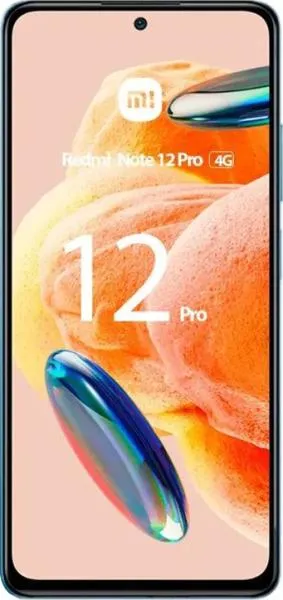
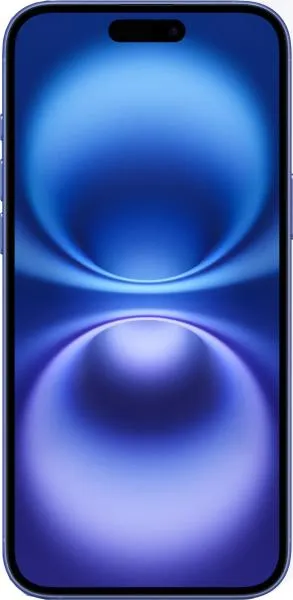
| Feature | Xiaomi Redmi Note 12 Pro 4G | Apple iPhone 16 Plus | Practical Impact |
|---|---|---|---|
| Design | |||
| Dimensions (mm) | 164.2 x 76.1 x 8.1 | 160.9 x 77.8 x 7.8 | iPhone 16 Plus is slightly shorter, narrower, and thinner. Negligible difference in hand feel. |
| Weight (g) | 201.8 | 199 | Virtually identical weight. |
| Build Material | Not specified | Not specified | Cannot compare build quality and durability without this information. |
| Display | |||
| Display Type | AMOLED, 120Hz | Super Retina XDR OLED | Both offer excellent color accuracy and deep blacks. The 120Hz refresh rate on the Redmi Note 12 Pro provides smoother scrolling and animations. |
| Display Size (inches) | 6.67 | 6.7 | Negligible size difference. |
| Resolution | 1080 x 2400 | 1290 x 2796 | iPhone 16 Plus has a sharper display due to higher pixel density (460 ppi vs 395 ppi). Noticeable in detailed images and text. |
| Peak Brightness (nits) | 1100 | 2000 | iPhone 16 Plus offers significantly higher peak brightness, resulting in better outdoor visibility. |
| Performance | |||
| Chipset | Snapdragon 732G (8 nm) | Apple A18 (3 nm) | A18 is significantly more powerful, leading to faster app launches, smoother multitasking, and better gaming performance. |
| CPU | Octa-core (2x2.2 GHz + 6x1.8 GHz) | Hexa-core (2x4.04 GHz + 4x2.20 GHz) | A18's higher clock speeds and advanced architecture provide a considerable performance advantage. |
| GPU | Adreno 618 | Apple GPU (5-core) | Apple's GPU is expected to provide superior graphics performance, especially noticeable in demanding games. |
| RAM | 8GB | 8GB | Same RAM capacity. |
| OS | Android 11 | iOS 18 | Different operating systems cater to different preferences. iOS is known for its simplicity and optimization, while Android offers greater customization. |
| Camera | |||
| Main Camera | 108MP, f/1.9 | 48MP, f/1.6 | Redmi Note 12 Pro boasts higher megapixels, but iPhone typically excels in image processing and low-light performance. |
| Ultrawide | 8MP, f/2.2 | 12MP, f/2.2 | iPhone offers a higher resolution ultrawide camera. |
| Video Recording | 4K@30fps | 4K@60fps with HDR, Dolby Vision | iPhone 16 Plus offers superior video recording capabilities with higher resolution, frame rate, HDR, and Dolby Vision. |
| Battery | |||
| Capacity (mAh) | 5000 | 4674 | Redmi Note 12 Pro has a slightly larger battery capacity. Real-world battery life depends on usage patterns and software optimization. |
2. Key Differences Analysis
Xiaomi Redmi Note 12 Pro 4G Advantages:
- Higher refresh rate display: Smoother scrolling and animations.
- Larger battery capacity: Potentially longer battery life.
- Lower price: Offers good value for its features.
Apple iPhone 16 Plus Advantages:
- Significantly more powerful processor and GPU: Superior performance for demanding tasks and gaming.
- Sharper display with higher peak brightness: Better visual experience, especially outdoors.
- Superior camera system: Expected to produce better quality photos and videos, particularly in low light.
- More advanced software and ecosystem: iOS offers tighter integration and longer software support.
- 5G Connectivity: Faster data speeds and improved network reliability compared to 4G.
3. User Profiles & Recommendations
Xiaomi Redmi Note 12 Pro 4G: Budget-conscious users who prioritize a smooth display, long battery life, and good value. Suitable for everyday tasks, media consumption, and casual gaming.
Apple iPhone 16 Plus: Users who prioritize performance, camera quality, a premium ecosystem, and the latest technology. Ideal for power users, content creators, mobile gamers, and those who value software updates and seamless integration with other Apple devices.
4. Decision Framework
Key Questions for Buyers:
- What is your budget? The iPhone 16 Plus is significantly more expensive.
- What are your performance needs? For demanding tasks and gaming, the iPhone 16 Plus is the clear winner.
- Which operating system do you prefer? Android offers more customization, while iOS is known for its simplicity and user-friendliness.
My Choice: Apple iPhone 16 Plus
While the Redmi Note 12 Pro offers good value, the iPhone 16 Plus's superior performance, camera system, display, and overall ecosystem make it the better choice for me. The A18 chip's substantial performance advantage, coupled with iOS's optimization and longevity, ensures a smoother and more future-proof experience. While I acknowledge the price difference, I prioritize long-term performance and user experience. The better display and camera are also significant factors in my decision. The Redmi Note 12 Pro is a compelling option for budget-conscious buyers, but the iPhone 16 Plus offers a significant leap in key areas that justify the higher cost for my needs.
