1. Specifications Comparison
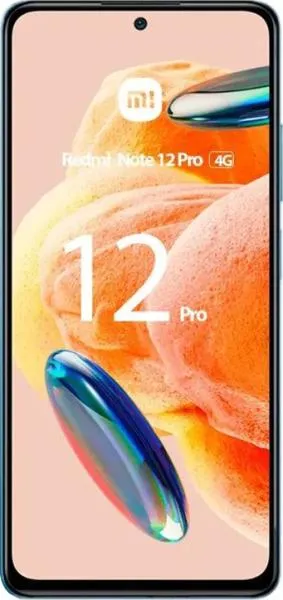
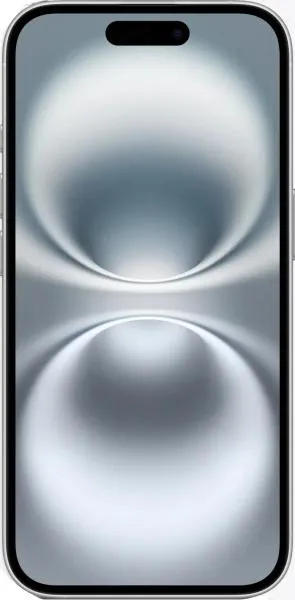
| Feature | Xiaomi Redmi Note 12 Pro 4G | Apple iPhone 16 | Practical Impact |
|---|---|---|---|
| Design | |||
| Dimensions (mm) | 164.2 x 76.1 x 8.1 | 147.6 x 71.6 x 7.8 | iPhone 16 is significantly smaller and more pocketable. |
| Weight (g) | 201.8 | 170 | iPhone 16 is noticeably lighter, reducing hand fatigue. |
| Build Materials | Unspecified | Unspecified | Material differences could impact durability and premium feel; information is missing. |
| Display | |||
| Display Type | AMOLED | Super Retina XDR OLED | Both offer vibrant colors and deep blacks; iPhone 16's "Super Retina XDR" branding suggests potential enhancements in brightness/contrast. |
| Display Size | 6.67" | 6.1" | Redmi offers a larger screen for media consumption; iPhone prioritizes one-handed usability. |
| Resolution | 1080 x 2400 | 1179 x 2556 | iPhone boasts a sharper display with higher pixel density (460 ppi vs 395 ppi). |
| Refresh Rate | 120Hz | Unspecified | Redmi's 120Hz provides smoother scrolling and animations; iPhone's refresh rate is unknown, limiting comparison. |
| Peak Brightness | 1100 nits | 2000 nits | iPhone 16 should offer significantly better outdoor visibility. |
| Performance | |||
| Chipset | Snapdragon 732G (8nm) | Apple A18 (3nm) | A18 is expected to significantly outperform the Snapdragon 732G in speed and efficiency due to newer architecture and manufacturing process. |
| CPU | Octa-core (2x2.2 GHz + 6x1.8 GHz) | Hexa-core (2x4.04 GHz + 4x2.20 GHz) | A18's higher clock speeds and optimized core configuration suggest superior multi-tasking and demanding application performance. |
| GPU | Adreno 618 | Apple GPU (5-core) | Apple's custom GPU design generally offers excellent gaming and graphics performance; direct comparison is difficult without specific benchmarks. |
| RAM | 8GB | 8GB | Similar RAM capacity; however, iOS's memory management may result in different real-world performance. |
| Camera | |||
| Main Camera | 108MP | 48MP | Redmi has a higher megapixel count; iPhone likely utilizes larger sensor pixels and computational photography for overall image quality. |
| Ultrawide | 8MP | 12MP | iPhone offers a higher resolution ultrawide camera. |
| Other Cameras | Macro, Depth | Macro integrated with ultrawide | iPhone simplifies camera setup while Redmi offers a dedicated depth sensor potentially improving portrait mode. |
| Video Recording | 4K@30fps | 4K@60fps with HDR, Dolby Vision | iPhone 16 offers higher resolution and frame rate video recording with HDR and Dolby Vision for improved dynamic range and color accuracy. |
| Battery | |||
| Capacity | 5000 mAh | 3561 mAh | Redmi has significantly larger battery capacity suggesting longer battery life. |
| Charging Speed | Unspecified | Unspecified | Charging speeds are crucial for usability; lack of information hinders comparison. |
2. Key Differences Analysis
Xiaomi Redmi Note 12 Pro 4G Advantages:
- Larger Display: Better for media consumption and multitasking.
- Higher Resolution Main Camera: Potentially more detail in photos, though real-world performance depends on sensor size and processing.
- Significantly Larger Battery: Potentially much longer battery life.
- 120Hz Refresh Rate: Smoother scrolling and animations.
Apple iPhone 16 Advantages:
- More Powerful Processor: Significantly faster and more efficient, enabling smoother performance in demanding tasks and games.
- Sharper Display: Higher pixel density for clearer text and images.
- Higher Quality Video Recording: 4K@60fps with HDR and Dolby Vision.
- More Compact and Lighter Design: Easier to hold and carry.
- Brighter Display: Better visibility outdoors.
Trade-offs:
- Redmi's larger battery comes at the cost of increased size and weight.
- iPhone's superior performance and features likely come with a higher price tag.
3. User Profiles & Recommendations
Xiaomi Redmi Note 12 Pro 4G:
- Ideal User: Budget-conscious users prioritizing large screen size, long battery life, and smooth display.
- Use Cases: Media consumption (movies, videos), casual gaming, social media browsing.
Apple iPhone 16:
- Ideal User: Users prioritizing performance, premium design, a vibrant ecosystem, and high-quality camera/video capabilities.
- Use Cases: Demanding mobile gaming, professional photography/videography, multitasking, users heavily invested in the Apple ecosystem.
4. Decision Framework
Key Questions for Buyers:
- What is your budget? The iPhone 16 is expected to be significantly more expensive.
- What are your priorities? (Performance, battery life, display size, camera quality)
- What ecosystem are you invested in? (iOS or Android)
Scenario-Based Recommendations:
- Limited Budget, Media Consumption Focus: Redmi Note 12 Pro 4G
- Performance and Premium Experience Focus: iPhone 16
- Best Value: This depends on individual priorities and pricing; Redmi likely offers better value in terms of raw specifications, but iPhone's ecosystem and long-term software support could be considered valuable.
My Choice: Apple iPhone 16
While the Redmi Note 12 Pro 4G offers a compelling package for its price, especially with the larger battery and 120Hz display, I would choose the Apple iPhone 16. The significantly more powerful A18 chip, ensuring future-proof performance, the brighter and sharper display, superior video recording capabilities, and the more compact design are compelling factors for me. Although battery life might be a concern, I prioritize a smooth and powerful user experience, which the iPhone 16 is expected to deliver convincingly. Additionally, the integration within the Apple ecosystem is a significant advantage for me. The higher price is justified by the significant performance and feature advantages in the long run.
