1. Specifications Comparison
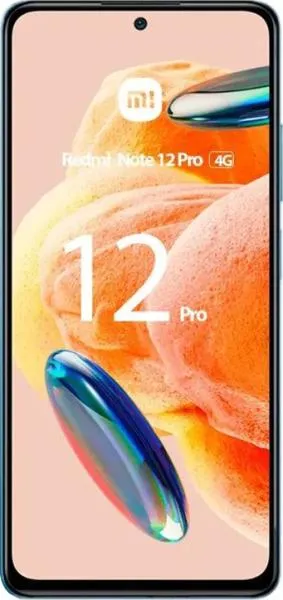
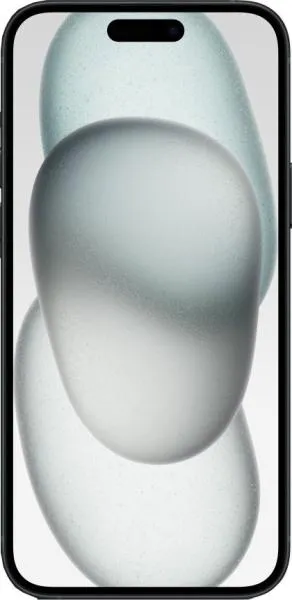
| Feature | Xiaomi Redmi Note 12 Pro 4G | Apple iPhone 15 Plus | Practical Impact |
|---|---|---|---|
| Design | |||
| Dimensions (mm) | 164.2 x 76.1 x 8.1 | 160.9 x 77.8 x 7.8 | iPhone 15 Plus is slightly shorter, narrower, and thinner. Negligible difference in hand feel for most users. |
| Weight (g) | 201.8 | 201 | Virtually identical weight. |
| Build | Material specifications missing for both phones, preventing comparison. | ||
| Display | |||
| Size (inches) | 6.67 | 6.7 | Nearly identical screen sizes. |
| Resolution | 1080 x 2400 | 1290 x 2796 | iPhone 15 Plus has a noticeably sharper display due to higher resolution and pixel density.Sharper text and images. |
| Type | AMOLED | Super Retina XDR OLED | Both are high-quality display technologies with vibrant colors and deep blacks. Super Retina XDR typically implies higher brightness and contrast. |
| Refresh Rate (Hz) | 120 | Not specified | 120Hz provides smoother scrolling and animations compared to a standard 60Hz display (assuming iPhone 15 Plus is 60Hz as is typical for iPhones in this generation). Missing specification limits definitive comparison. |
| Peak Brightness (nits) | 1100 | 2000 | iPhone 15 Plus boasts significantly higher peak brightness, making it much more readable in direct sunlight. |
| Performance | |||
| Chipset | Snapdragon 732G (8 nm) | A16 Bionic (4 nm) | A16 Bionic is significantly more powerful, offering much faster performance in demanding tasks, gaming, and multitasking. |
| CPU | Octa-core (2x2.2 GHz + 6x1.8 GHz) | Hexa-core (2x3.46 GHz + 4x2.02 GHz) | A16's architecture and higher clock speeds deliver superior processing power. |
| GPU | Adreno 618 | Apple GPU (5-core) | Apple's GPU is expected to provide significantly better graphics performance. |
| RAM | 8GB | 6GB | While Redmi has more RAM, iOS's memory management generally allows it to perform efficiently with less RAM. A16's overall performance advantage likely outweighs the RAM difference. |
| OS | Android 11 | iOS 17 | Different operating systems cater to different preferences. iOS is known for its simplicity and tight ecosystem, while Android offers more customization. |
| Camera | |||
| Main Camera (MP) | 108 | 48 | Megapixel count isn't everything. iPhone's larger sensor and advanced image processing often result in better image quality despite lower resolution. |
| Video Recording | 4K@30fps | 4K@60fps with HDR | iPhone offers higher resolution and frame rate video recording with HDR, resulting in smoother and more dynamic footage. |
| Camera Features | Quad camera, various modes | Dual camera, Cinematic Mode, Pro Video Mode | iPhone 15 Plus offers more advanced video features like Cinematic Mode. Detailed sensor specifications are missing for comparison of still image quality. |
| Battery | |||
| Capacity (mAh) | 5000 | 4383 | Redmi has a larger battery capacity, potentially offering longer battery life. However, real-world usage depends on optimization and usage patterns. |
2. Key Differences Analysis
Xiaomi Redmi Note 12 Pro 4G Advantages:
- Larger Battery: Potentially longer battery life.
- Higher Refresh Rate Display (potentially): Smoother scrolling and animations IF the iPhone 15 Plus is indeed 60Hz.
- Lower Price: Offers good value for its price range.
Apple iPhone 15 Plus Advantages:
- Significantly More Powerful: A16 Bionic chip offers superior performance for demanding tasks and gaming.
- Sharper Display: Higher resolution and pixel density result in crisper visuals.
- Brighter Display: Much better visibility in sunlight.
- More Advanced Camera Features: Cinematic mode and generally superior video recording capabilities.
- Longer Software Support: iOS typically receives longer software updates than Android.
3. User Profiles & Recommendations
Xiaomi Redmi Note 12 Pro 4G:
- Budget-conscious users: Prioritize affordability without sacrificing essential features.
- Light to moderate users: Primarily use phone for browsing, social media, and casual gaming.
- Battery life focused users: Value long battery life over peak performance.
Apple iPhone 15 Plus:
- Performance-focused users: Demand smooth multitasking, fast app loading, and high-end gaming capabilities.
- Content creators: Need high-quality cameras for photos and videos.
- Users prioritizing software updates: Value long-term software support and security updates.
4. Decision Framework
Key Questions for Buyers:
- What is your budget? The Redmi offers significantly better value in terms of price.
- What is your primary phone usage? For demanding tasks, the iPhone is a clear winner. For basic usage, the Redmi is sufficient.
- How important is long-term software support? iPhone generally receives longer software updates.
My Choice: Apple iPhone 15 Plus
While the Redmi Note 12 Pro 4G offers excellent value, the iPhone 15 Plus's superior performance, brighter and sharper display, advanced camera features, and longer software support make it the better choice for me. I prioritize a smooth and responsive user experience, high-quality content creation capabilities, and the peace of mind that comes with long-term software updates. The price premium is justified for the significant improvements in key areas. While battery life is a concern, I am willing to compromise slightly in that area for the significant gains in other aspects.
