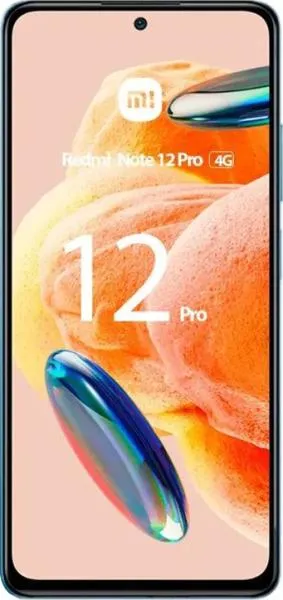

1. Specifications Comparison
| Feature | Xiaomi Redmi Note 12 Pro 4G | Apple iPhone 15 | Practical Impact |
|---|---|---|---|
| Design | |||
| Dimensions (mm) | 164.2 x 76.1 x 8.1 | 147.6 x 71.6 x 7.8 | iPhone 15 is noticeably smaller and more pocketable. |
| Weight (g) | 201.8 | 171 | iPhone 15 is significantly lighter, reducing hand fatigue. |
| Build Materials | Not specified | Not specified | Cannot compare build quality and durability without more information. |
| Display | |||
| Display Size (inches) | 6.67 | 6.1 | Redmi Note 12 Pro offers a larger screen for media consumption. |
| Resolution | 1080 x 2400 | 1179 x 2556 | iPhone 15 has a sharper display with higher pixel density (461 vs 395 PPI). |
| Display Type | AMOLED, 120Hz | Super Retina XDR OLED | Both offer vibrant colors and deep blacks; Redmi Note 12 Pro has a faster refresh rate for smoother scrolling. iPhone 15's "Super Retina XDR" implies higher brightness and wider color gamut, though specific details are lacking for comparison. |
| Peak Brightness | 1100 nits (peak) | 2000 nits (peak) | iPhone 15 should be significantly more visible in direct sunlight. |
| Performance | |||
| Chipset | Snapdragon 732G (8 nm) | Apple A16 Bionic (4 nm) | A16 is significantly more powerful, enabling faster performance and better multitasking. |
| CPU | Octa-core (2x2.2 GHz + 6x1.8 GHz) | Hexa-core (2x3.46 GHz + 4x2.02 GHz) | iPhone 15 will handle demanding tasks and gaming much more efficiently. |
| GPU | Adreno 618 | Apple GPU (5-core) | iPhone 15's GPU will provide a superior gaming and graphics-intensive experience. |
| RAM | 8GB | 6GB | While Redmi has more RAM, iOS's memory management often allows for efficient performance with less RAM. Real-world performance will depend on optimization. |
| Camera | |||
| Main Camera | 108MP | 48MP | Redmi has a higher resolution sensor; iPhone likely uses pixel binning for improved low-light performance. Image quality depends on factors beyond resolution. |
| Ultrawide | 8MP | 12MP | iPhone 15 has a higher resolution ultrawide camera. |
| Video Recording | 4K@30fps | 4K@60fps with HDR, Dolby Vision | iPhone 15 offers higher resolution and frame rate video recording with HDR and Dolby Vision. |
| Battery | |||
| Capacity | 5000 mAh | 3349 mAh | Redmi Note 12 Pro has a significantly larger battery capacity, likely resulting in longer battery life. iPhone 15's smaller battery might be offset by its more power-efficient chip. |
| Charging Speed | Not specified | Not specified | Cannot compare charging speeds without specific data. |
2. Key Differences Analysis
Xiaomi Redmi Note 12 Pro 4G Advantages:
- Larger Display: Better for media consumption and gaming.
- Larger Battery: Potentially longer battery life.
- Higher Resolution Main Camera: Potentially more detailed photos in good lighting.
Apple iPhone 15 Advantages:
- Significantly Faster Performance: Due to the A16 Bionic chip. Smoother for demanding tasks, gaming, and future-proofing.
- Sharper Display: Higher pixel density for clearer visuals.
- Higher Quality Video Recording: 4K@60fps with HDR and Dolby Vision.
- More Compact and Lighter Design: Easier to handle and carry.
- Generally Longer Software Support: iOS typically receives updates for longer than Android devices.
Trade-offs:
- Redmi Note 12 Pro sacrifices performance and premium features for a larger battery and display.
- iPhone 15 prioritizes performance and a compact design but might have shorter battery life than the Redmi.
3. User Profiles & Recommendations
Xiaomi Redmi Note 12 Pro 4G: Users who prioritize a large screen, long battery life, and affordability, primarily for media consumption, casual gaming, and general use.
Apple iPhone 15: Users who value performance, a premium user experience, compact design, high-quality camera, and a robust app ecosystem. Suitable for demanding tasks, gaming, content creation, and users who prioritize software updates.
4. Decision Framework
Key Questions for Buyers:
- What is your budget? The iPhone 15 is significantly more expensive.
- What are your performance needs? For demanding tasks and gaming, the iPhone 15 is superior.
- What features do you prioritize most? Larger display and battery (Redmi) vs. Performance, compact design, and camera (iPhone).
My Choice: Apple iPhone 15
While the Redmi Note 12 Pro offers a compelling combination of features for its price, the iPhone 15's superior performance, sharper display, higher quality video recording capabilities, and compact form factor make it the better choice for me. I prioritize a smooth user experience, longevity (through software updates), and a pocketable device. The A16 Bionic chip ensures future-proofing and handles demanding tasks with ease. While the battery capacity is smaller, Apple's optimization often results in competitive battery life. The higher initial cost is justified by the overall better user experience and longer-term value.
