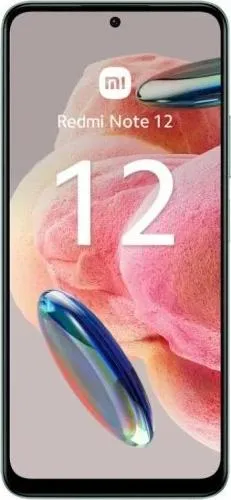

1. Specifications Comparison
| Feature | Xiaomi Redmi Note 12 4G | ZTE nubia Z50S Pro | Practical Impact |
|---|---|---|---|
| Design | |||
| Dimensions (mm) | 165.7 x 76 x 7.9 | 163.9 x 76.3 x 8.3 | Z50S Pro slightly shorter, wider, and thicker. Negligible difference in everyday use. |
| Weight (g) | 183.5 | 228 | Z50S Pro significantly heavier (44.5g). Noticeable difference in hand feel and pocket portability. |
| Display | |||
| Size (inches) | 6.67 | 6.8 | Z50S Pro slightly larger. Marginal difference in viewing experience. |
| Resolution | 1080 x 2400 | 1260 x 2800 | Z50S Pro sharper due to higher resolution. Noticeable in text clarity and image detail. |
| Type | AMOLED, 120Hz | AMOLED, 120Hz | Both offer smooth scrolling and animations thanks to 120Hz. Z50S Pro boasts 1B colors capable of displaying more vibrant and nuanced colors. |
| Peak Brightness (nits) | 1200 | 1500 | Z50S Pro brighter, improving outdoor visibility. |
| Performance | |||
| Chipset | Snapdragon 685 (6nm) | Snapdragon 8+ Gen 2 (4nm) | Z50S Pro vastly more powerful. Significant difference in demanding tasks, gaming, and overall responsiveness. |
| CPU | Octa-core (4x2.8 GHz Cortex-A73 & 4x1.9 GHz Cortex-A53) | Octa-core (1x3.36 GHz Cortex-X3 & 2x2.8 GHz Cortex-A715 & 2x2.8 GHz Cortex-A710 & 3x2.0 GHz Cortex-A510) | Z50S Pro has a much more powerful and efficient CPU architecture. |
| GPU | Adreno 610 | Adreno 740 (719 MHz) | Z50S Pro offers significantly better graphics performance. Crucial for gaming and graphically intensive applications. |
| RAM | 4GB (in this configuration) | 12GB (in this configuration) | Z50S Pro has substantially more RAM. Enables smoother multitasking and handling of demanding apps. |
| Camera | |||
| Main Camera | 50MP | 54MP, Sony IMX800 sensor | Z50S Pro likely to have better low-light performance and dynamic range due to larger sensor size (1/1.49"). |
| Video | 1080p@30fps | Up to 8K@30fps | Z50S Pro offers significantly higher video resolution and features like EIS (Electronic Image Stabilization). |
| Battery | |||
| Capacity | 5000 mAh | 5100 mAh | Negligible difference in battery capacity. |
| Charging | 33W Fast Charging | 80W Fast Charging | Z50S Pro charges significantly faster. |
2. Key Differences Analysis
Xiaomi Redmi Note 12 4G Advantages:
- Lighter and more portable: Easier to hold and carry for extended periods.
- More affordable: Offers decent features at a lower price point.
ZTE nubia Z50S Pro Advantages:
- Significantly more powerful: Superior performance in all aspects, including gaming, multitasking, and app loading.
- Better display: Sharper, brighter, and with more vibrant colors.
- Superior camera system: Higher resolution sensor, larger sensor size, better low-light performance, significantly improved video recording capabilities including 8K resolution.
- Faster charging: Significantly reduces downtime.
3. User Profiles & Recommendations
Xiaomi Redmi Note 12 4G:
- Budget-conscious users: Prioritize affordability over top-tier performance.
- Light users: Primarily use their phone for basic tasks like calling, texting, browsing, and social media.
ZTE nubia Z50S Pro:
- Power users: Demand high performance for gaming, multitasking, and demanding applications.
- Photography and videography enthusiasts: Value a high-quality camera system with advanced features.
- Users who prioritize a premium display: Appreciate sharper visuals and vibrant colors.
4. Decision Framework
Key Questions for Buyers:
- What is your budget? The Redmi Note 12 4G is significantly more affordable.
- What is your primary use case? For basic tasks, the Redmi Note 12 4G is sufficient. For demanding tasks and gaming, the Z50S Pro is necessary.
- How important is camera quality? The Z50S Pro offers a significantly better camera system.
My Choice: ZTE nubia Z50S Pro
While the Xiaomi Redmi Note 12 4G offers good value for its price, the ZTE nubia Z50S Pro is the superior device in almost every aspect. Its significantly faster processor, better display, superior camera system, and faster charging outweigh the higher price and increased weight. The performance difference between the Snapdragon 685 and the Snapdragon 8+ Gen 2 is substantial and will provide a much smoother and more enjoyable user experience in the long run. I prioritize performance, a good camera, and a bright display, making the Z50S Pro the clear winner for me. The price difference is justified by the significant leap in capabilities.
