1. Specifications Comparison
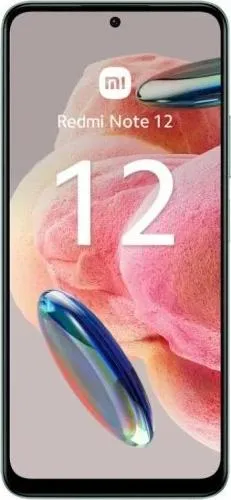
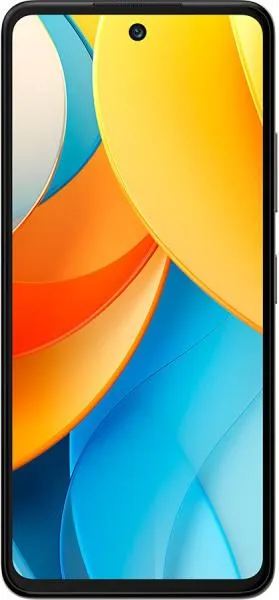
| Feature | Xiaomi Redmi Note 12 4G | ZTE Blade V60 Design | Practical Impact |
|---|---|---|---|
| Design | |||
| Dimensions (mm) | 165.7 x 76 x 7.9 | 164.2 x 75.3 x 8.6 | Redmi is slightly thinner and lighter. |
| Weight (g) | 183.5 | 198 | Noticeable difference in hand feel; Redmi more comfortable for extended use. |
| Display | |||
| Display Type | AMOLED, 120Hz | IPS LCD, 90Hz | Redmi offers richer colors, deeper blacks, and smoother scrolling due to AMOLED and higher refresh rate. ZTE's IPS LCD might be better in direct sunlight. |
| Resolution | 1080 x 2400 | 720 x 1612 | Significantly sharper and more detailed visuals on the Redmi. ZTE's display will appear pixelated. |
| PPI | 395 | 267 | Redmi's display is much sharper, resulting in clearer text and images. |
| Peak Brightness (nits) | 1200 | Not specified | Redmi's higher peak brightness ensures better visibility outdoors. Lack of ZTE data prevents full comparison. |
| Performance | |||
| Chipset | Snapdragon 685 (6nm) | Unisoc T606 (12nm) | Redmi's Snapdragon chip generally offers better performance and efficiency due to smaller node size. |
| CPU | Octa-core (4x2.8 GHz Cortex-A73 & 4x1.9 GHz Cortex-A53) | Octa-core (2x1.6 GHz Cortex-A75 & 6x1.6 GHz Cortex-A55) | Redmi likely has a performance advantage in demanding tasks due to faster cores, though architecture differences make direct comparison difficult. |
| GPU | Adreno 610 | Mali-G57 MP1 | Redmi's GPU likely offers better gaming performance. |
| RAM | 4/6/8GB | 4/6GB | Both offer sufficient RAM for multitasking, but Redmi offers an 8GB option for even smoother performance. |
| Camera | |||
| Main Camera | 50MP, f/1.8 | 50MP, f/1.8 | Similar megapixel count, but image quality depends on sensor and processing, which can't be fully compared without more details. |
| Additional Cameras | 8MP ultrawide, 2MP macro | 2MP portrait, 0.3MP unspecified | Redmi offers a more usable ultrawide lens. The purpose of ZTE's 0.3MP camera is unclear. |
| Battery | |||
| Capacity | 5000 mAh | 5000 mAh | Similar battery capacity, expecting comparable battery life. |
| Fast Charging | 33W | 22.5W | Redmi charges significantly faster. |
2. Key Differences Analysis
Xiaomi Redmi Note 12 4G Advantages:
- Superior Display: AMOLED with 120Hz refresh rate offers vibrant colors, smooth scrolling, and better outdoor visibility.
- Better Performance: Snapdragon 685 and Adreno 610 provide a smoother user experience for gaming and demanding tasks.
- Faster Charging: 33W fast charging significantly reduces downtime.
ZTE Blade V60 Design Advantages:
- Lower Price: Positioned in the "low price" range, offering greater affordability.
- Larger Storage Option: Offers a 256GB storage option, beneficial for users who store large files.
Trade-offs:
- The ZTE sacrifices display quality, performance, and charging speed for affordability.
- The Redmi might have higher price points depending on the RAM/storage configuration.
3. User Profiles & Recommendations
Xiaomi Redmi Note 12 4G: Suited for users who prioritize display quality, performance, and a smooth user experience. Ideal for gaming, media consumption, and multitasking.
ZTE Blade V60 Design: Best for budget-conscious users who primarily use their phone for basic tasks like calling, texting, and browsing. The large storage option is beneficial for those who store lots of photos and videos.
4. Decision Framework
Key Questions for Buyers:
- What is your budget? The ZTE is significantly cheaper.
- What are your primary phone usage patterns? Gaming and media consumption favor the Redmi.
- How important is display quality? Redmi's AMOLED display is far superior.
My Choice: Xiaomi Redmi Note 12 4G
While the ZTE Blade V60 Design offers a tempting price, the Redmi Note 12 4G provides a significantly better overall user experience. The superior display, performance, and faster charging outweigh the price difference for me. The smoother performance and visual clarity enhance daily usage, making the Redmi a more enjoyable and versatile device. The ZTE's lower resolution display and less powerful processor would be noticeable drawbacks in everyday use. I prioritize a fluid and visually appealing experience, making the Redmi the clear winner.
