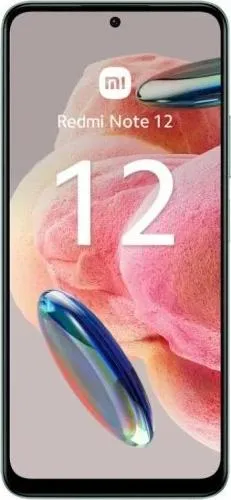
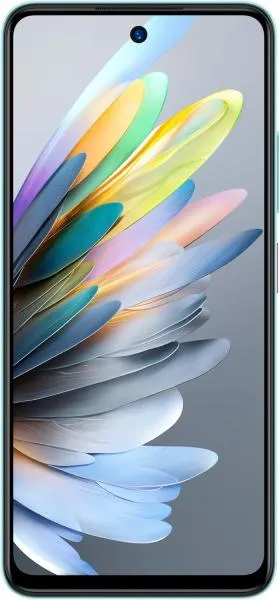
1. Specifications Comparison
| Feature | Xiaomi Redmi Note 12 4G | ZTE Blade A75 4G | Practical Impact |
|---|---|---|---|
| Design | |||
| Dimensions (mm) | 165.7 x 76 x 7.9 | 164.1 x 75.8 x 8.6 | Redmi is slightly thinner and lighter. Negligible difference in daily use. |
| Weight (g) | 183.5 | 189 | Redmi is slightly lighter, but the difference is minimal. |
| Display | |||
| Display Type | AMOLED, 120Hz | IPS LCD, 90Hz | Redmi's AMOLED offers significantly better contrast, deeper blacks, and more vibrant colors. 120Hz provides smoother scrolling and animations compared to 90Hz on the ZTE. |
| Resolution | 1080 x 2400 | 720 x 1612 | Redmi has a much sharper display, resulting in clearer text and images. ZTE's lower resolution will be noticeable. |
| PPI | 395 | 267 | Redmi's higher pixel density results in a significantly sharper image. |
| Peak Brightness (nits) | 1200 | Not specified | Redmi's high peak brightness ensures better visibility in sunlight. We cannot compare without ZTE's peak brightness value. |
| Performance | |||
| Chipset | Snapdragon 685 (6nm) | Unisoc T606 (12nm) | Snapdragon 685 generally offers better performance and efficiency due to its more advanced architecture and smaller manufacturing process. |
| CPU | Octa-core (4x2.8 GHz Cortex-A73 & 4x1.9 GHz Cortex-A53) | Octa-core (2x1.6 GHz Cortex-A75 & 6x1.6 GHz Cortex-A55) | Redmi's CPU configuration likely offers a better balance of performance and efficiency in demanding tasks. |
| GPU | Adreno 610 | Mali-G57 MP1 | Adreno 610 generally provides better gaming performance than the Mali-G57 MP1. |
| RAM | 4/6/8GB | 8GB | Both offer sufficient RAM for multitasking, though specific configurations vary. ZTE's base model having 8GB is a plus. |
| Camera | |||
| Main Camera | 50MP | 50MP | Megapixel count is similar; however, sensor quality and image processing significantly impact actual photo quality. We lack detailed sensor information to make a definitive comparison. |
| Other Cameras | 8MP ultrawide, 2MP macro | 0.3MP unspecified, no ultrawide | Redmi offers a more versatile camera setup with an ultrawide lens. ZTE's secondary 0.3MP camera is practically useless. |
| Battery | |||
| Capacity | 5000 mAh | 5000 mAh | Similar battery capacities suggest comparable battery life, though actual usage will depend on other factors like display and chipset efficiency. |
| Fast Charging | 33W | 22.5W | Redmi supports faster charging, reducing downtime. |
2. Key Differences Analysis
Redmi Note 12 4G Advantages:
- Superior Display: AMOLED with 120Hz refresh rate provides a significantly better visual experience.
- Better Performance: More powerful chipset and GPU for smoother multitasking and gaming.
- Faster Charging: 33W fast charging reduces downtime.
- More Versatile Camera System: Inclusion of an ultrawide lens.
ZTE Blade A75 4G Advantages:
- Higher Base RAM: 8GB RAM in the base model could be beneficial for heavy multitasking.
- Potentially Lower Price: Belongs to a lower price range, potentially offering better value for budget-conscious buyers.
3. User Profiles & Recommendations
Redmi Note 12 4G: Users who prioritize display quality, performance, and a versatile camera. Suitable for gaming, media consumption, and general use.
ZTE Blade A75 4G: Budget-conscious users who prioritize RAM and basic functionality. Suitable for light tasks, browsing, and communication.
4. Decision Framework
Key Questions for Buyers:
- What is your budget? The ZTE is likely cheaper.
- How important is display quality and performance? The Redmi significantly outperforms the ZTE in these areas.
- What are your primary use cases? Gaming and media consumption favor the Redmi, while basic tasks favor the ZTE.
My Choice: Xiaomi Redmi Note 12 4G
While the ZTE Blade A75 4G might offer a lower price point, the Xiaomi Redmi Note 12 4G provides a significantly better overall user experience. The superior AMOLED display, smoother performance, faster charging, and more versatile camera system make it a much more compelling device. The difference in display quality alone would heavily influence my decision. Even if the Redmi Note 12 is slightly more expensive, the improved user experience in key areas justifies the extra cost for most users. The ZTE's higher base RAM is not enough to offset the Redmi's advantages in other critical aspects.
