1. Specifications Comparison
| Feature | Xiaomi Redmi Note 12 4G | Xiaomi Redmi Note 13 Pro 4G | Practical Impact |
|---|---|---|---|
| Design | |||
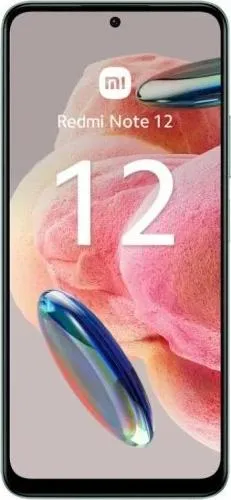
| Dimensions (mm) | 165.7 x 76 x 7.9 | 161.1 x 75 x 8 | Note 13 Pro slightly shorter and narrower, minimal difference in thickness. Negligible impact on daily use. |
| Weight (g) | 183.5 | 188 | Virtually identical weight; no noticeable difference in hand. |
| Fingerprint Sensor | Side-mounted | Under-display | Preference-based; under-display perceived as more modern, side-mounted potentially more accessible. |
| Display | |||
| Size (inches) | 6.67 | 6.67 | Identical screen size. |
| Resolution | 1080 x 2400 | 1080 x 2400 | Identical resolution and sharpness. |
| Type | AMOLED, 120Hz | AMOLED, 1B colors, 120Hz | Both offer smooth scrolling and vibrant colors thanks to AMOLED and 120Hz. Note 13 Pro's 1B colors offer smoother color gradients and potentially better HDR performance. |
| Peak Brightness (nits) | 1200 | 1300 | Note 13 Pro slightly brighter; better visibility in direct sunlight. |
| Performance | |||
| Chipset | Snapdragon 685 (6 nm) | MediaTek Helio G99 Ultra | Helio G99 Ultra generally offers better CPU performance, especially in multi-core tasks. Noticeable in demanding games and multitasking. |
| CPU | Octa-core (4x2.8 GHz A73 & 4x1.9 GHz A53) | Octa-core (2x2.2 GHz A76 & 6x2.0 GHz A55) | Note 13 Pro has more powerful CPU cores (A76 vs A73) resulting in faster processing. |
| GPU | Adreno 610 | Mali-G57 MC2 | Mali-G57 MC2 generally provides better gaming performance than Adreno 610. |
| RAM | 4/6/8 GB | 8/12 GB | Note 13 Pro offers larger RAM options; improved multitasking and smoother performance with demanding apps. |
| OS Updates | Up to Android 14 | Up to Android 16 | Note 13 Pro will receive longer software support and security updates. |
| Camera | |||
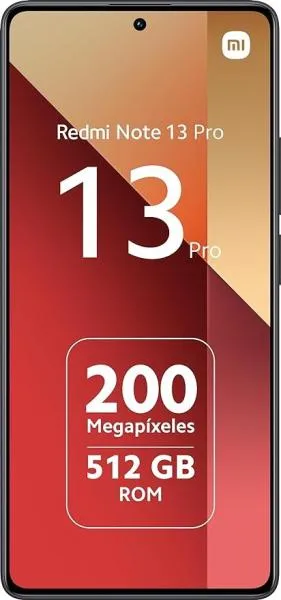
| Main Camera | 50MP, f/1.8 | 200MP, f/1.65, OIS | Note 13 Pro boasts significantly higher resolution and Optical Image Stabilization (OIS) for sharper images and videos, especially in low light. |
| Video Recording | 1080p@30fps | 1080p@30/60fps | Note 13 Pro can record at 60fps, resulting in smoother video footage. |
| Battery | |||
| Capacity | 5000 mAh | 5000 mAh | Identical battery capacity. |
| Fast Charging | 33W | 67W | Note 13 Pro charges significantly faster. |
2. Key Differences Analysis
Xiaomi Redmi Note 12 4G Advantages:
- Potentially Lower Price: Depending on configuration, it could be more affordable.
Xiaomi Redmi Note 13 Pro 4G Advantages:
- Significantly Better Performance: The Helio G99 and larger RAM options provide a noticeable speed boost.
- Superior Camera System: The 200MP main camera with OIS and faster video recording capabilities is a major upgrade.
- Longer Software Support: Guaranteed updates to Android 16.
- Faster Charging: 67W fast charging significantly reduces charging time.
3. User Profiles & Recommendations
Redmi Note 12 4G: Budget-conscious users who prioritize basic functionality - calling, texting, social media, and light gaming.
Redmi Note 13 Pro 4G: Users who demand better performance for gaming, multitasking, and demanding applications. Photography enthusiasts will appreciate the upgraded camera system. Those who value software updates and faster charging will also prefer this model.
4. Decision Framework
Key Questions for Buyers:
- What is your budget? The Note 12 4G is likely more affordable.
- What are your primary use cases? For basic tasks, the Note 12 4G suffices. For demanding games, multitasking, and photography, the Note 13 Pro is superior.
- How important are software updates and fast charging? The Note 13 Pro offers longer software support and significantly faster charging.
My Choice: Xiaomi Redmi Note 13 Pro 4G
While the Redmi Note 12 4G is a decent budget option, the Redmi Note 13 Pro 4G offers significant upgrades in performance, camera, software support, and charging speed that justify the likely price difference. The improved CPU and GPU translate to a smoother user experience, particularly for demanding tasks and gaming. The 200MP camera with OIS is a compelling feature for photography enthusiasts. Finally, the longer software support and significantly faster charging provide long-term value and convenience. For the majority of users, the Redmi Note 13 Pro 4G represents a more future-proof and satisfying investment.
