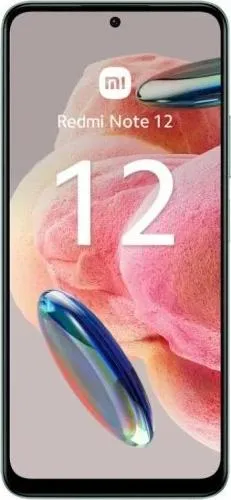
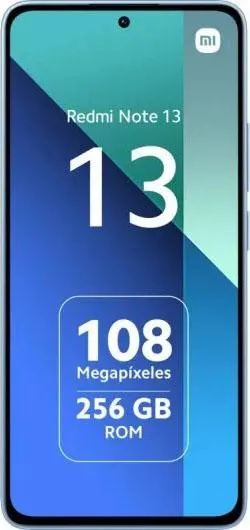
1. Specifications Comparison
| Feature | Xiaomi Redmi Note 12 4G | Xiaomi Redmi Note 13 4G | Practical Impact |
|---|---|---|---|
| Design | |||
| Dimensions (mm) | 165.7 x 76 x 7.9 | 162.3 x 75.6 x 8 | Note 13 slightly smaller and thicker |
| Weight (g) | 183.5 | 188.5 | Negligible weight difference |
| Fingerprint Sensor | Side-mounted | Under-display | Preference-based; under-display feels more modern |
| Display | |||
| Size (inches) | 6.67 | 6.67 | Same size |
| Resolution (px) | 1080 x 2400 | 1080 x 2400 | Same resolution |
| Type | AMOLED, 120Hz | AMOLED, 120Hz | Both offer smooth scrolling and vibrant colors |
| Peak Brightness (nits) | 1200 | 1800 | Note 13 significantly brighter outdoors |
| Performance | |||
| Chipset | Snapdragon 685 (6nm) | Snapdragon 685 (6nm) | Identical performance |
| CPU | Octa-core (4x2.8 GHz Cortex-A73 & 4x1.9 GHz Cortex-A53) | Octa-core (4x2.8 GHz Cortex-A73 & 4x1.9 GHz Cortex-A53) | Same CPU performance |
| GPU | Adreno 610 | Adreno 610 | Same GPU performance |
| RAM (base) | 4GB | 8GB | Note 13 offers significantly better multitasking and app loading |
| OS | Android 13 | Android 13 | Similar software experience initially, but Note 13 has longer update support |
| Max OS Version | 14 | 16 | Note 13 will receive software updates and security patches for longer |
| Camera | |||
| Main Camera (MP) | 50 | 108 | Note 13 offers potentially higher resolution and detail, but real-world performance depends on processing |
| Front Camera (MP) | 13 | 16 | Note 13 has a slightly better selfie camera |
| Video Recording | 1080p@30fps | 1080p@30fps | Identical video recording capabilities |
| Battery | |||
| Capacity (mAh) | 5000 | 5000 | Same battery capacity |
| Fast Charging | 33W | 33W | Same fast charging speed |
2. Key Differences Analysis
Redmi Note 12 4G Advantages:
- Potentially lower price point for certain configurations
Redmi Note 13 4G Advantages:
- Brighter display for better outdoor visibility
- Higher resolution main camera (108MP vs 50MP)
- More base RAM (8GB vs 4GB) for smoother multitasking
- Longer software support (up to Android 16)
- Bluetooth 5.1 vs 5.0 (minor improvement in connectivity and power efficiency)
- Under-display fingerprint sensor (modern aesthetic)
3. User Profiles & Recommendations
Redmi Note 12 4G: Budget-conscious users who prioritize basic functionality and don't require the latest features. Suitable for light usage including social media, browsing, and casual photography.
Redmi Note 13 4G: Users who value a better display, improved camera, smoother performance, and longer software support. Suitable for more demanding tasks, including gaming, photography, and multitasking.
4. Decision Framework
Key Questions for Buyers:
- What is your budget? The Note 12 4G might offer lower entry price points.
- How important is camera quality? The Note 13 4G boasts a higher resolution main camera.
- How long do you plan to keep your phone? The Note 13 4G offers longer software updates.
My Choice: Xiaomi Redmi Note 13 4G
While the core performance remains the same due to the shared chipset, the Redmi Note 13 4G offers tangible improvements in key areas: brighter display, more RAM, a higher-resolution main camera, longer software support, and a more modern under-display fingerprint sensor. These upgrades contribute significantly to a better overall user experience, making the Note 13 4G a more future-proof choice. While specific pricing may vary, the relatively small price difference (if any) between comparable configurations makes the Note 13 4G the more compelling option for most users.
