1. Specifications Comparison
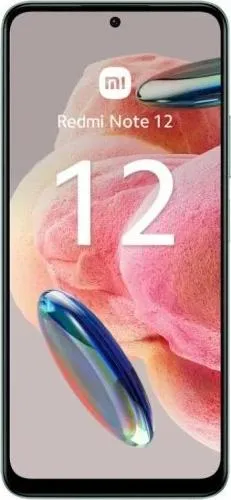
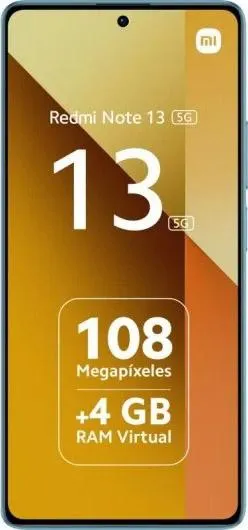
| Feature | Xiaomi Redmi Note 12 4G | Xiaomi Redmi Note 13 | Practical Impact |
|---|---|---|---|
| Design | |||
| Dimensions (mm) | 165.7 x 76 x 7.9 | 161.1 x 75 x 7.6 | Redmi Note 13 is slightly smaller and thinner, potentially improving one-handed usability. |
| Weight (g) | 183.5 | 174.5 | Redmi Note 13 is noticeably lighter, reducing hand fatigue during extended use. |
| Display | |||
| Size (inches) | 6.67 | 6.67 | Same screen size. |
| Resolution (pixels) | 1080 x 2400 | 1080 x 2400 | Same resolution, resulting in similar sharpness. |
| Type | AMOLED, 120Hz | AMOLED, 120Hz, 1B colors | Both offer smooth scrolling and vibrant colors thanks to AMOLED and 120Hz. Note 13's 1B colors offer smoother color gradients. |
| Peak Brightness (nits) | 1200 | 1000 (unspecified if typical or peak) | Redmi Note 12 4G may offer better outdoor visibility due to the higher peak brightness, but we need more information on Note 13's typical brightness to properly compare. |
| Performance | |||
| Chipset | Snapdragon 685 (6nm) | Dimensity 6080 (6nm) | Dimensity 6080 generally offers better CPU performance, especially in multi-core tasks. |
| CPU | Octa-core (4x2.8 GHz A73 & 4x1.9 GHz A53) | Octa-core (2x2.4 GHz A76 & 6x2.0 GHz A55) | Note 13's CPU architecture is more modern and efficient. |
| GPU | Adreno 610 | Mali-G57 MC2 | Mali-G57 MC2 generally provides a slight edge in graphics performance. |
| RAM | 4/6/8 GB | 6/8/12 GB | Note 13 offers higher RAM options, enabling better multitasking and smoother performance with demanding apps. |
| OS | Android 13 | Android 13 | Both launch with the same OS but Note 13 has a longer promised update lifecycle (up to Android 16). |
| Camera | |||
| Main Camera | 50MP | 108MP | Note 13 boasts significantly higher resolution, potentially capturing more detail. However, megapixels alone don't guarantee image quality. |
| Video Recording | 1080p@30fps | 1080p@30/60fps | Note 13 offers 60fps recording, resulting in smoother video footage. |
| Battery | |||
| Capacity (mAh) | 5000 | 5000 | Identical battery capacity. |
| Charging | 33W Fast Charging | 33W Fast Charging | Same charging speed. |
2. Key Differences Analysis
Redmi Note 12 4G Advantages:
- Potentially brighter display: Higher peak brightness may be advantageous in direct sunlight. More information is needed to conclusively say.
Redmi Note 13 Advantages:
- Superior Performance: The Dimensity 6080 and higher RAM options offer a noticeable performance advantage for demanding tasks and multitasking.
- Improved Camera: The 108MP main camera and 60fps video recording capabilities enhance photographic and videographic potential.
- 5G Connectivity: Offers faster data speeds and improved network reliability in areas with 5G coverage.
- Longer Software Support: Guaranteed updates to Android 16, ensuring security and feature updates for a longer period.
- Lighter and More Compact: Improved ergonomics for comfortable one-handed use.
Trade-offs:
- The Redmi Note 13 lacks specific details about display brightness, making a direct comparison difficult. While it has a higher resolution main camera, real-world image quality depends on factors beyond megapixel count, such as sensor size and image processing.
3. User Profiles & Recommendations
Redmi Note 12 4G:
- Budget-conscious users: Prioritize affordability over cutting-edge performance.
- Light users: Primarily use their phone for basic tasks like calling, texting, and social media.
- Users in areas with limited 4G/no 5G: Where 5G connectivity isn't a priority.
Redmi Note 13:
- Performance seekers: Value smooth multitasking and gaming capabilities.
- Photography enthusiasts: Desire a high-resolution camera and improved video recording features.
- Future-proof users: Prioritize long-term software updates and 5G connectivity.
4. Decision Framework
Key Questions:
- What is your budget? The Redmi Note 12 4G is generally more affordable.
- Do you need 5G connectivity? This is a crucial factor if you live in an area with 5G coverage or plan to in the near future.
- What are your primary phone usage patterns? Demanding tasks like gaming and heavy multitasking benefit from the Redmi Note 13's superior performance.
Scenario-Based Recommendations:
- Limited budget, basic usage: Redmi Note 12 4G.
- Future-proof device with good performance: Redmi Note 13.
My Choice: Redmi Note 13
While the Redmi Note 12 4G offers good value for its price, the Redmi Note 13 is the clear winner for me. The performance gains from the Dimensity 6080, coupled with longer software support, 5G connectivity, and the improved camera, make it a significantly better long-term investment. The lighter and more compact design is also a plus. Even if the Note 12 4G proves to have better screen brightness, the overall package of the Note 13 is more compelling for a majority of users. The slightly higher price is justified by the significant upgrades.
