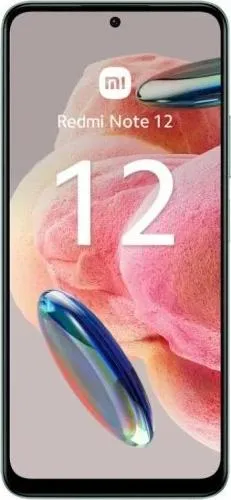
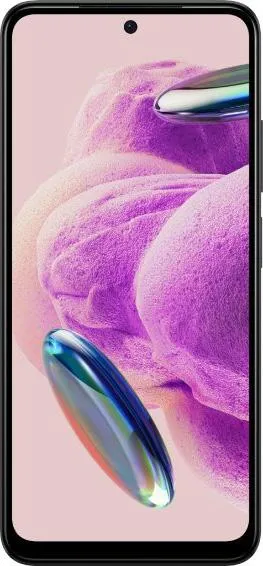
1. Specifications Comparison
| Feature | Xiaomi Redmi Note 12 4G | Xiaomi Redmi Note 12S | Practical Impact |
|---|---|---|---|
| Design | |||
| Dimensions (mm) | 165.7 x 76 x 7.9 | 159.9 x 73.9 x 8.1 | Redmi Note 12S is slightly smaller and lighter, potentially improving one-handed use. |
| Weight (g) | 183.5 | 176 | Noticeable difference in hand feel; 12S will feel less bulky. |
| Display | |||
| Size (inches) | 6.67 | 6.43 | 12 4G offers a larger screen for media consumption, but may be less pocketable. |
| Resolution | 1080 x 2400 | 1080 x 2400 | Identical resolution, sharpness will be slightly higher on the 12S due to smaller screen size. |
| Refresh Rate (Hz) | 120 | 90 | 12 4G's 120Hz display will feel smoother in animations and scrolling. |
| Display Type | AMOLED | AMOLED | Both offer vibrant colors and deep blacks. |
| Peak Brightness (nits) | 1200 | 1000 | 12 4G should be more visible in direct sunlight. |
| Performance | |||
| Chipset | Snapdragon 685 (6nm) | Helio G96 (12nm) | G96 boasts slightly faster CPU cores, but 685 is built on a more efficient process. Real-world performance differences might be minimal, potentially favoring the G96 in demanding tasks but 685 in sustained usage due to better power efficiency. |
| CPU | Octa-core (4x2.8 GHz A73 & 4x1.9 GHz A53) | Octa-core (2x2.05 GHz A76 & 6x2.0 GHz A55) | Different core architectures; G96 has more powerful A76 cores but fewer of them. |
| GPU | Adreno 610 | Mali-G57 MC2 | Mali-G57 MC2 generally offers better gaming performance than Adreno 610. |
| RAM | 4GB/6GB/8GB | 6GB/8GB | More RAM options on the 12 4G; 8GB provides smoother multitasking. |
| Camera | |||
| Main Camera (MP) | 50 | 108 | 12S boasts higher resolution, potentially capturing more detail. However, sensor size and processing also play a crucial role in image quality. |
| Video Recording | 1080p@30fps | 1080p@30fps | Identical video resolution and frame rate. 12S lists 120fps slow motion, which is not detailed for the 12 4G. |
| Battery | |||
| Capacity (mAh) | 5000 | 5000 | Identical battery capacity, expected similar battery life depending on usage. |
| Fast Charging | 33W | 33W | Both phones offer equally fast charging speeds. |
2. Key Differences Analysis
Xiaomi Redmi Note 12 4G Advantages:
- Smoother Display: 120Hz refresh rate provides a more fluid user experience.
- More Affordable: Generally available at a lower price point for similar configurations.
- Potentially Better Battery Life: More efficient 6nm chipset.
- More RAM options: Offers a 4GB RAM variant for budget-conscious users.
Xiaomi Redmi Note 12S Advantages:
- Higher Resolution Main Camera: 108MP sensor potentially captures more detail.
- Slightly Better Gaming Performance: Mali-G57 MC2 GPU generally outperforms Adreno 610.
- More Compact Design: Easier to handle and carry.
- Faster Slow Motion Video: Offers 120fps slow-motion recording.
Trade-offs:
- 12 4G: Lower resolution main camera, less powerful GPU for gaming.
- 12S: Smaller display, potentially shorter battery life under heavy load due to 12nm chipset, higher starting price.
3. User Profiles & Recommendations
Redmi Note 12 4G: Suitable for users prioritizing a smooth display, all-day battery life, and affordability. Ideal for web browsing, social media, casual gaming, and general use.
Redmi Note 12S: Best for users who value camera performance and gaming capabilities. Suitable for mobile photography enthusiasts and gamers.
4. Decision Framework
Key Questions for Buyers:
- What is your budget? The Redmi Note 12 4G offers better value for money for general use.
- Is camera quality a top priority? The Redmi Note 12S significantly upgrades the main camera.
- Do you play demanding mobile games? The 12S offers better gaming performance.
My Choice: Xiaomi Redmi Note 12 4G
Reasoning: While the 12S boasts a higher resolution camera and better GPU, the 12 4G offers a more compelling overall package for my needs. The 120Hz display significantly enhances daily use, providing a noticeably smoother experience. The potentially longer battery life due to the efficient 6nm chipset and the lower price point make it a more practical choice for me. I prioritize a fluid user experience and all-day battery life over slightly better camera resolution or gaming performance, as my primary usage revolves around web browsing, communication, and content consumption. The price difference further solidifies the 12 4G as the better value proposition for my specific needs.
