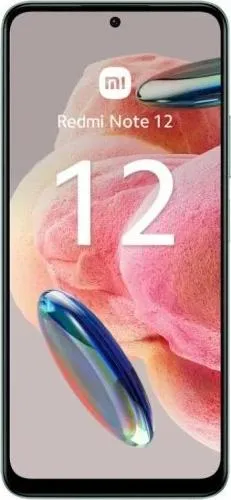
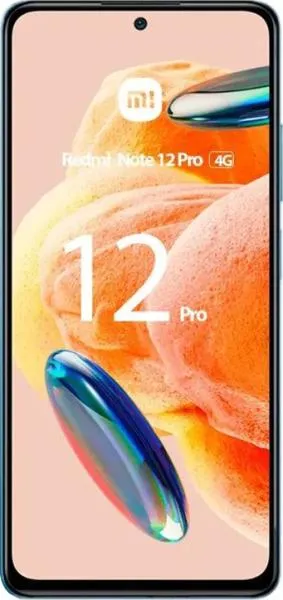
1. Specifications Comparison
| Feature | Xiaomi Redmi Note 12 4G | Xiaomi Redmi Note 12 Pro 4G | Practical Impact |
|---|---|---|---|
| Design | |||
| Dimensions (mm) | 165.7 x 76 x 7.9 | 164.2 x 76.1 x 8.1 | Redmi Note 12 4G is slightly taller and thinner. Negligible difference in daily use. |
| Weight (g) | 183.5 | 201.8 | Redmi Note 12 Pro 4G is noticeably heavier, potentially impacting one-handed use. |
| Display | |||
| Display Type | AMOLED, 120Hz | AMOLED, 120Hz, Dolby Vision | Both offer smooth scrolling and vivid colors. Pro 4G supports Dolby Vision for enhanced HDR content. |
| Peak Brightness (nits) | 1200 | 1100 | Redmi Note 12 4G slightly brighter in direct sunlight, though both are sufficiently bright. |
| Performance | |||
| Chipset | Snapdragon 685 (6nm) | Snapdragon 732G (8nm) | Pro 4G offers significantly better CPU and GPU performance for demanding tasks and gaming. |
| CPU | Octa-core (4x2.8 GHz Cortex-A73 & 4x1.9 GHz Cortex-A53) | Octa-core (2x2.2 GHz Kryo 470 Gold & 6x1.8 GHz Kryo 470 Silver) | Pro 4G's Kryo cores provide superior performance and efficiency. |
| GPU | Adreno 610 | Adreno 618 | Pro 4G offers smoother gaming and faster graphics rendering. |
| RAM | 4/6/8GB | 8GB | Pro 4G comes with more RAM, enabling better multitasking and app performance. |
| OS | Android 13 | Android 11 | Redmi Note 12 4G ships with a newer Android version, potentially offering longer software support. Missing max OS version for the Pro makes comparison difficult. |
| Camera | |||
| Main Camera | 50MP | 108MP | Pro 4G offers higher resolution for more detailed photos. Practical difference may be less noticeable in typical use cases. |
| Video Recording | 1080p@30fps | 4K@30fps, 1080p@60fps | Pro 4G offers significantly better video recording capabilities with 4K resolution and higher frame rates. |
| Battery | |||
| Capacity | 5000mAh | 5020 mAh | Negligible difference in battery capacity. |
| Fast Charging | 33W | 67W | Pro 4G charges significantly faster. |
2. Key Differences Analysis
Redmi Note 12 4G Advantages:
- Lower Price: Generally more affordable.
- Newer Android Version: Potentially longer software updates.
- Lighter Weight: More comfortable for extended use.
- Slightly Brighter Display
Redmi Note 12 Pro 4G Advantages:
- Significantly Better Performance: Smoother gaming, multitasking, and overall responsiveness.
- Higher Resolution Main Camera: More detailed photos.
- Superior Video Recording: 4K resolution and higher frame rates.
- Significantly Faster Charging: Less downtime.
- Dolby Vision Support: Enhanced HDR video playback
3. User Profiles & Recommendations
Redmi Note 12 4G: Budget-conscious users prioritizing basic tasks like social media, browsing, and casual photography. Good for users who value a lightweight phone.
Redmi Note 12 Pro 4G: Users who demand better performance for gaming, demanding apps, and multimedia consumption. Content creators who need better video recording capabilities. Users who prioritize fast charging.
4. Decision Framework
Key Questions for Buyers:
- What is your budget? The Redmi Note 12 4G is a more affordable option.
- What are your primary use cases? Gaming, demanding apps, and content creation benefit from the Pro 4G's performance.
- How important is camera quality and fast charging? The Pro 4G significantly outperforms the 4G in these areas.
My Choice: Xiaomi Redmi Note 12 Pro 4G
While the Redmi Note 12 4G offers a compelling value proposition for budget-conscious users, I would choose the Redmi Note 12 Pro 4G. The significant performance difference, superior camera and video capabilities, and drastically faster charging outweigh the price premium and slightly heavier weight for me. The ability to record in 4K and enjoy smoother gaming and app usage are crucial factors in my decision. While the older Android version on the Pro is a slight concern, the performance benefits are more significant in my daily usage.
