1. Specifications Comparison
| Feature | Xiaomi Redmi Note 12 4G | Xiaomi Redmi 14C | Practical Impact |
|---|---|---|---|
| Design | |||
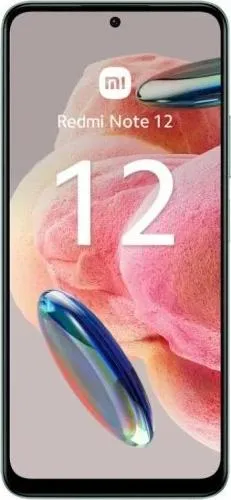
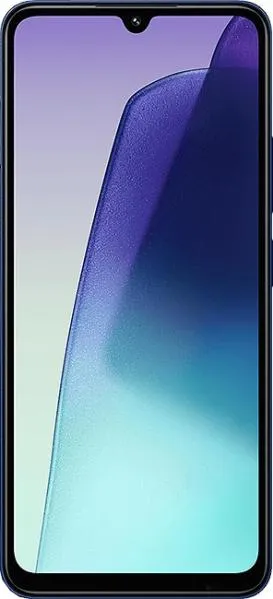
| Dimensions (mm) | 165.7 x 76 x 7.9 | 171.9 x 77.8 x 8.2 | Redmi 14C is noticeably larger and heavier. |
| Weight (g) | 183.5 | 211 | Redmi 14C might be less comfortable for one-handed use and extended periods. |
| Display | |||
| Display Type | AMOLED, 120Hz | IPS LCD, 120Hz | Redmi Note 12 offers deeper blacks, more vibrant colors, and potentially better power efficiency due to AMOLED technology. |
| Display Size (inches) | 6.67 | 6.88 | Redmi 14C has a slightly larger screen, providing more screen real estate. |
| Resolution | 1080 x 2400 | 720 x 1640 | Redmi Note 12 has a significantly sharper display, resulting in clearer text and images. The lower resolution on the 14C might be noticeable in everyday use. |
| PPI | 395 | 260 | Redmi Note 12's higher pixel density translates to a much sharper and more detailed visual experience. |
| Peak Brightness (nits) | 1200 | Not specified | Redmi Note 12's higher peak brightness should improve outdoor visibility. Lack of data for the 14C prevents a full comparison. |
| Performance | |||
| Chipset | Snapdragon 685 (6nm) | MediaTek Helio G81 Ultra | Both are budget-oriented chipsets. Performance differences might be subtle in everyday tasks but could be noticeable in demanding games or multitasking. |
| CPU | Octa-core (4x2.8 GHz Cortex-A73 & 4x1.9 GHz Cortex-A53) | Octa-core (2x2.0 GHz Cortex-A75 & 6x1.8 GHz Cortex-A55) | Redmi Note 12's CPU configuration might offer slightly better performance in demanding applications. |
| GPU | Adreno 610 | Mali-G52 MC2 | Performance differences between GPUs could impact gaming performance. Real-world differences would require benchmarking. |
| RAM | 4/6/8GB | 6/8GB | Both offer ample RAM for multitasking, although the Redmi Note 12 has a 4GB variant which might struggle with heavier usage. |
| Camera | |||
| Main Camera | 50MP | 50MP | Megapixel count is the same, but sensor quality and image processing will play a significant role in determining actual image quality. Specific sensor details are missing for the 14C. |
| Other Cameras | 8MP ultrawide, 2MP macro | 0.8MP (unknown), no ultrawide | Redmi Note 12 clearly offers more versatile camera options with an ultrawide lens. The purpose of the 0.8MP lens on the 14C is unclear. |
| Video Recording | 1080p@30fps | 1080p@30fps | Both offer basic video recording capabilities. |
| Battery | |||
| Capacity | 5000 mAh | 5160 mAh | Redmi 14C has a marginally larger battery, but real-world battery life depends on various factors including display type and processor efficiency. |
| Fast Charging | 33W | 18W | Redmi Note 12 offers significantly faster charging, reducing downtime. |
2. Key Differences Analysis
Redmi Note 12 4G Advantages:
- Superior Display: AMOLED technology offers significantly better contrast, colors, and viewing angles compared to the Redmi 14C's IPS LCD. The higher resolution also results in a sharper image.
- Faster Charging: 33W fast charging significantly reduces charging time compared to the 14C's 18W.
- More Versatile Camera System: The inclusion of an ultrawide lens offers more flexibility for photography.
Redmi 14C Advantages:
- Slightly Larger Battery: Potentially longer battery life, although this needs real-world testing to confirm.
- Slightly Larger Display: Provides more screen real estate for media consumption and multitasking.
- Newer Bluetooth Version: Bluetooth 5.4 on the 14C offers potential improvements in range and connection stability compared to Bluetooth 5.0 on the Note 12.
3. User Profiles & Recommendations
Redmi Note 12 4G: Users who prioritize display quality, faster charging, and a versatile camera system. Suitable for media consumption, gaming, and general use.
Redmi 14C: Users who prioritize battery life and a large display on a budget. Suitable for basic tasks like browsing, social media, and calling. Best for users who aren't concerned with high resolution or faster charging.
4. Decision Framework
Key Questions for Buyers:
- How important is display quality? If vibrant colors and sharp details are crucial, the Redmi Note 12 is the better choice.
- How much do you value fast charging? If minimizing charging time is a priority, the Redmi Note 12's 33W charging is a significant advantage.
- What is your budget? Pricing can vary based on storage configurations. Consider the price-to-value ratio for your needs.
My Choice: Xiaomi Redmi Note 12 4G
While the Redmi 14C offers a slightly larger battery and display, the Redmi Note 12 4G is the superior choice for me due to its significantly better AMOLED display, faster charging, and more versatile camera system. The sharper resolution and vibrant colors of the AMOLED panel greatly enhance the user experience, making media consumption and gaming more enjoyable. The faster charging speeds are also a major convenience in today's fast-paced world. While the 14C has a slightly larger battery, the AMOLED's power efficiency could potentially offset this difference in real-world usage. The superior display and charging outweigh the marginal benefits of the 14C for my personal preferences.
