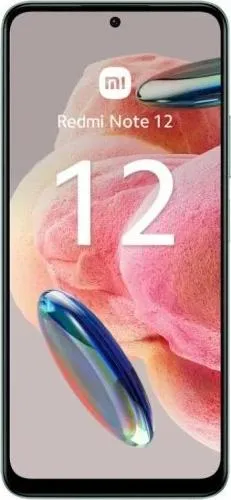
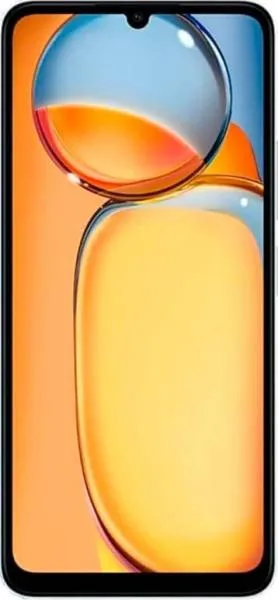
1. Specifications Comparison
| Feature | Xiaomi Redmi Note 12 4G | Xiaomi Redmi 13C | Practical Impact |
|---|---|---|---|
| Design | |||
| Dimensions (mm) | 165.7 x 76 x 7.9 | 168 x 78 x 8.1 | Redmi 13C is slightly larger and thicker. |
| Weight (g) | 183.5 | 192 | Redmi 13C is noticeably heavier. |
| Display | |||
| Display Type | AMOLED, 120Hz | IPS LCD, 90Hz | Note 12 4G offers deeper blacks, more vibrant colors, and smoother scrolling due to AMOLED and higher refresh rate. |
| Resolution | 1080 x 2400 | 720 x 1600 | Note 12 4G has a significantly sharper display. Redmi 13C's display will appear pixelated in comparison. |
| PPI | 395 | 260 | Reinforces the sharpness difference; text and images will be crisper on the Note 12 4G. |
| Peak Brightness (nits) | 1200 | Not specified | Note 12 4G likely offers better outdoor visibility, though a direct comparison is impossible without the Redmi 13C's peak brightness. |
| Performance | |||
| Chipset | Snapdragon 685 (6nm) | Helio G85 (12nm) | Note 12 4G's 6nm process likely translates to slightly better battery efficiency. Performance differences might be minor in everyday tasks but noticeable in demanding games. |
| CPU | Octa-core (4x2.8 GHz Cortex-A73 & 4x1.9 GHz Cortex-A53) | Octa-core (2x2.0 GHz Cortex-A75 & 6x1.8 GHz Cortex-A55) | While core configurations differ, real-world performance differences might be subtle and depend heavily on software optimization. |
| GPU | Adreno 610 | Mali-G52 MC2 | Adreno 610 generally offers better gaming performance compared to the Mali-G52 MC2. |
| RAM | 4/6/8GB | 4/6/8GB | Both offer various RAM options catering to different needs. More RAM improves multitasking capabilities. |
| Camera | |||
| Main Camera | 50MP, f/1.8 | 50MP, f/1.8 | Similar main camera specifications suggest comparable image quality in well-lit conditions. |
| Ultrawide | 8MP, f/2.2 | Not specified | Note 12 4G offers ultrawide photography, enabling wider field of view shots. |
| Macro | 2MP, f/2.4 | 2MP, f/2.4 | Macro capabilities are likely similar, and quality is expected to be basic due to the low resolution. |
| Selfie | 13MP, f/2.45 | 8MP, f/2.0 | Note 12 4G likely produces higher resolution selfies. |
| Battery | |||
| Capacity | 5000 mAh | 5000 mAh | Similar battery capacities suggest comparable battery life, though actual usage will depend on other factors like display and chipset. |
| Fast Charging | 33W | 18W | Note 12 4G charges significantly faster. |
2. Key Differences Analysis
Redmi Note 12 4G Advantages:
- Superior Display: AMOLED with 120Hz refresh rate offers a significantly better visual experience with vibrant colors, smoother scrolling, and deeper blacks.
- Faster Charging: 33W fast charging significantly reduces downtime compared to the Redmi 13C's 18W.
- Generally Better Performance: While subtle in everyday tasks, the more efficient chipset and potentially superior GPU provide an edge in gaming and demanding applications.
- Ultrawide Camera: Adds versatility for capturing landscapes and group photos.
Redmi 13C Advantages:
- Potentially Lower Price: Belongs to a lower price range, offering potentially better value for budget-conscious buyers.
- Bluetooth 5.3: Offers slightly improved Bluetooth connectivity with potentially better range and lower power consumption compared to Bluetooth 5.0.
3. User Profiles & Recommendations
Redmi Note 12 4G: Suitable for users who prioritize display quality, smoother performance, faster charging, and camera versatility. Ideal for media consumption, gaming, and social media.
Redmi 13C: Best suited for budget-conscious users who prioritize basic functionality and long battery life over premium features. Suitable for calling, texting, browsing, and light media consumption.
4. Decision Framework
Key Questions for Buyers:
- What is your budget? The Redmi 13C is likely more affordable.
- How important is display quality and performance? The Note 12 4G excels in these areas.
- What are your primary use cases? Gaming and media consumption favor the Note 12 4G, while basic communication tasks are well-handled by both.
Scenario-Based Recommendations:
- Tight Budget, Basic Usage: Redmi 13C
- Balanced Performance and Price: Redmi Note 12 4G
- Prioritize Display and Gaming: Redmi Note 12 4G
My Choice: Xiaomi Redmi Note 12 4G
While the Redmi 13C offers excellent value for its price, the Redmi Note 12 4G's superior display, faster charging, and better performance are crucial factors for me. The AMOLED screen with 120Hz refresh rate alone significantly enhances the user experience. The faster charging also minimizes downtime, which is important for my usage. Even a slight performance advantage and the inclusion of an ultrawide camera make the Note 12 4G a more compelling overall package, justifying the price difference. I prioritize a smooth and enjoyable user experience, and the Note 12 4G delivers that more effectively.
