1. Specifications Comparison
| Feature | Xiaomi Redmi Note 12 4G | Xiaomi Redmi 12 5G | Practical Impact |
|---|---|---|---|
| Design | |||
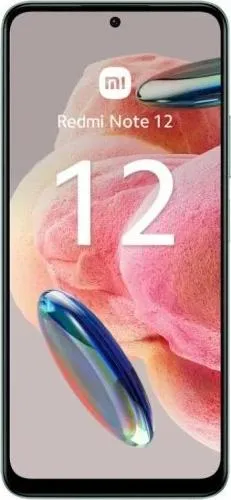
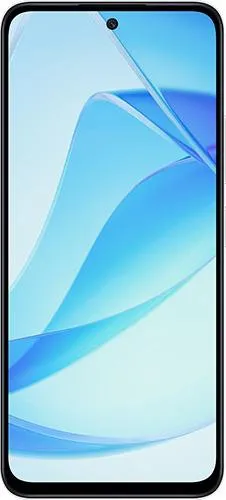
| Dimensions (mm) | 165.7 x 76 x 7.9 | 168.6 x 76.3 x 8.2 | Redmi 12 5G is slightly larger and thicker. |
| Weight (g) | 183.5 | 199 | Redmi Note 12 4G is noticeably lighter, improving one-handed use. |
| Display | |||
| Display Type | AMOLED, 120Hz | IPS LCD, 90Hz | Redmi Note 12 4G offers deeper blacks, more vibrant colors, and smoother scrolling thanks to AMOLED and 120Hz. Redmi 12 5G's IPS LCD is less power-efficient. |
| Size (inches) | 6.67 | 6.79 | Redmi 12 5G has a slightly larger screen, providing more screen real estate. |
| Resolution | 1080 x 2400 | 1080 x 2460 | Negligible difference in sharpness due to similar pixel density. |
| Peak Brightness (nits) | 1200 | Not specified | Redmi Note 12 4G's higher peak brightness ensures better visibility outdoors. Missing spec for Redmi 12 5G limits comparison. |
| Performance | |||
| Chipset | Snapdragon 685 (6nm) | Snapdragon 4 Gen 2 (4nm) | While 4nm suggests better efficiency for the Redmi 12 5G, the Snapdragon 685 generally offers better CPU performance due to its faster Cortex-A73 cores. |
| CPU | Octa-core (4x2.8 GHz Cortex-A73 & 4x1.9 GHz Cortex-A53) | Octa-core (2x2.2 GHz Cortex-A78 & 6x1.95 GHz Cortex-A55) | Redmi Note 12 4G likely has a performance edge in demanding tasks thanks to more powerful Cortex-A73 cores. |
| GPU | Adreno 610 | Adreno 613 | Redmi 12 5G might have slightly better GPU performance, but real-world difference could be minimal. |
| RAM | 4/6/8GB | 4/6/8GB | Both offer various RAM options for multitasking capabilities. |
| Camera | |||
| Rear Camera | 50MP Main, 8MP Wide, 2MP Macro | 50MP Main, 2MP Depth | Similar main camera resolution, but Redmi Note 12 4G offers a dedicated wide-angle lens, while Redmi 12 5G has a depth sensor for portrait shots. Practical usability depends on individual photography preferences. |
| Front Camera | 13MP | 5MP | Redmi Note 12 4G boasts a significantly higher resolution front camera for better selfies. |
| Video Recording | 1080p@30fps | 1080p@30fps | Identical video recording capabilities. |
| Battery | |||
| Capacity | 5000 mAh | 5000 mAh | Same battery capacity, suggesting similar potential battery life. |
| Charging | 33W Fast Charging | 18W Fast Charging | Redmi Note 12 4G charges significantly faster. |
| Connectivity | |||
| 5G | No | Yes | Redmi 12 5G offers access to faster 5G networks where available. |
| NFC | Yes | No | Redmi Note 12 4G supports contactless payments and data transfer via NFC. |
2. Key Differences Analysis
Redmi Note 12 4G Advantages:
- Superior Display: AMOLED with 120Hz refresh rate delivers a significantly better visual experience.
- Faster Charging: 33W fast charging drastically reduces downtime.
- NFC: Enables contactless payments and other convenient features.
- Potentially Better Performance: The Snapdragon 685 and its CPU core configuration may offer an advantage in demanding tasks.
- Lighter and More Compact: Easier to handle and carry.
- Better Front-Facing Camera: Higher resolution for superior selfies.
Redmi 12 5G Advantages:
- 5G Connectivity: Future-proofs the device with access to faster networks.
- Slightly Larger Display: Offers marginally more screen real estate.
- Potentially Better GPU: Adreno 613 might have a slight edge in graphics performance.
3. User Profiles & Recommendations
Redmi Note 12 4G: Ideal for users prioritizing display quality, faster charging, NFC functionality, and a lighter phone. Suitable for media consumption, gaming, and everyday tasks.
Redmi 12 5G: Best suited for users who prioritize 5G connectivity and want a larger display. A good option for those who plan to keep their phone for an extended period and want access to future network technology.
4. Decision Framework
Key Questions for Buyers:
- Is 5G crucial right now? If access to 5G is not immediately necessary, the Redmi Note 12 4G's other advantages might be more compelling.
- How important is display quality? Users sensitive to display quality will significantly appreciate the Redmi Note 12 4G's AMOLED screen.
- What's your budget and priority? Consider the price difference between RAM/storage variants and weigh it against the features you value most.
My Choice: Xiaomi Redmi Note 12 4G
While the Redmi 12 5G offers 5G, I'd choose the Redmi Note 12 4G due to its significantly superior display (AMOLED at 120Hz), faster 33W charging, NFC functionality for contactless payments, and the lighter, more compact design. The potential performance advantage of the Redmi Note 12 4G's CPU and higher-resolution front-facing camera further solidify my choice. For me, these benefits outweigh the advantages of 5G, especially considering that widespread 5G deployment and its practical benefits are still evolving in many areas. The noticeably lighter weight and more compact design are also important factors for daily comfort and usability.
