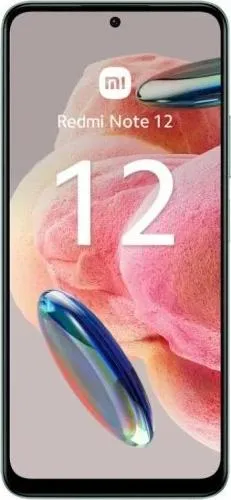
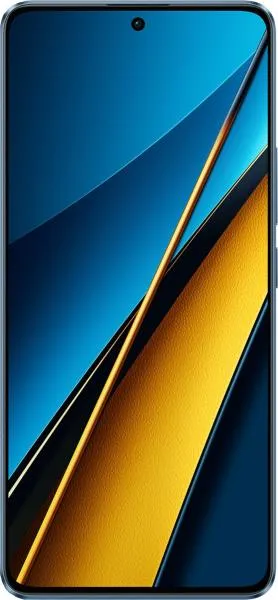
1. Specifications Comparison
| Feature | Xiaomi Redmi Note 12 4G | Xiaomi Poco X6 | Practical Impact |
|---|---|---|---|
| Design | |||
| Dimensions (mm) | 165.7 x 76 x 7.9 | 161.2 x 74.3 x 8 | Poco X6 is slightly smaller and may feel more comfortable in hand. |
| Weight (g) | 183.5 | 181 | Negligible weight difference. |
| Fingerprint Sensor | Side-mounted | Under-display | Preference-based, but under-display is often considered more modern. |
| Display | |||
| Display Size (inches) | 6.67 | 6.67 | Same size. |
| Resolution | 1080 x 2400 | 1220 x 2712 | Poco X6 has a sharper display with noticeably higher pixel density. |
| Display Type | AMOLED, 120Hz | AMOLED, 120Hz, Dolby Vision | Both offer smooth scrolling with 120Hz, but Poco X6 supports Dolby Vision for enhanced HDR content. |
| Peak Brightness (nits) | 1200 | 1800 | Poco X6 offers significantly higher peak brightness, improving outdoor visibility. |
| Performance | |||
| Chipset | Snapdragon 685 (6nm) | Snapdragon 7s Gen 2 (4nm) | Poco X6 has a more powerful and efficient processor, resulting in smoother performance and better battery life. |
| CPU | Octa-core (4x2.8 GHz A73 & 4x1.9 GHz A53) | Octa-core (4x2.4 GHz A78 & 4x1.95 GHz A55) | Poco X6 utilizes newer CPU architecture, leading to significant performance gains in demanding tasks and multitasking. |
| GPU | Adreno 610 | Adreno 710 | Poco X6's GPU offers a considerable performance boost for gaming and graphically intensive applications. |
| RAM | 4/6/8GB | 12GB | Poco X6 offers significantly more RAM, enabling superior multitasking and preventing app closures in the background. |
| Camera | |||
| Main Camera | 50MP | 64MP | Poco X6 boasts a higher resolution main sensor, potentially capturing more detail. Practical image quality depends on sensor and processing. |
| Video Recording | 1080p@30fps | 4K@30fps, 1080p@60fps | Poco X6 offers superior video recording capabilities with higher resolution and frame rates, including Electronic Image Stabilization (EIS). |
| Battery | |||
| Capacity (mAh) | 5000 | 5100 | Negligible difference in battery capacity. |
| Fast Charging | 33W | 67W | Poco X6 supports significantly faster charging, minimizing downtime. |
2. Key Differences Analysis
Xiaomi Redmi Note 12 4G Advantages:
- Potentially Lower Price: Typically more affordable than the Poco X6.
Xiaomi Poco X6 Advantages:
- Significantly Better Performance: The Snapdragon 7s Gen 2, coupled with 12GB RAM, provides a substantial performance advantage for demanding tasks and gaming.
- Sharper Display: Higher resolution and peak brightness deliver a superior visual experience.
- Enhanced Camera Features: Offers 4K video recording, OIS, and potentially better low-light performance due to a larger sensor.
- Faster Charging: 67W fast charging significantly reduces charging time.
- More up-to-date Software support: Offers longer software updates, going up to Android 16.
3. User Profiles & Recommendations
Redmi Note 12 4G: Budget-conscious users prioritizing basic tasks like calling, messaging, browsing, and casual media consumption.
Poco X6: Users seeking a performance-oriented device for gaming, demanding applications, content creation, and a premium multimedia experience. Suitable for power users and mobile photographers/videographers.
4. Decision Framework
Key Questions for Buyers:
- What is your budget? The Redmi Note 12 is a more budget-friendly option.
- What are your primary use cases? For basic tasks, the Redmi Note 12 suffices. For demanding tasks and gaming, the Poco X6 is superior.
- How important is camera quality and video recording capabilities? The Poco X6 significantly outperforms the Redmi Note 12 in this area.
My Choice: Xiaomi Poco X6
While the Redmi Note 12 4G offers a decent value proposition for its price, the Poco X6 provides a significant upgrade in crucial areas like performance, display, camera, and charging speed. The more powerful processor, ample RAM, sharper display with Dolby Vision, and significantly faster charging make it a much more compelling device for a broader range of users. While the price difference exists, the long-term benefits of the Poco X6 in terms of performance, user experience, and longevity justify the investment for me. The longer software update support of the Poco X6 is also a major plus, ensuring security and new features for a longer period.
