1. Specifications Comparison
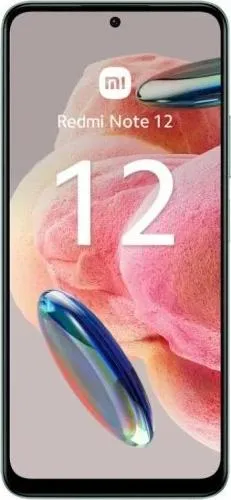
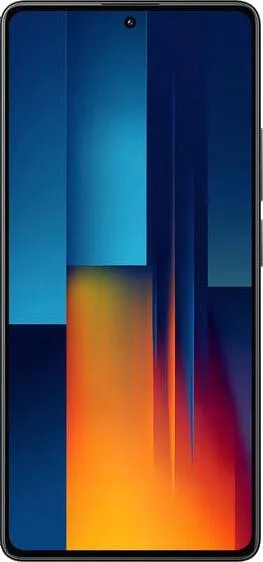
| Feature | Xiaomi Redmi Note 12 4G | Xiaomi Poco M6 Pro | Practical Impact |
|---|---|---|---|
| Design | |||
| Dimensions (mm) | 165.7 x 76 x 7.9 | 161.1 x 75 x 8 | Poco M6 Pro is slightly shorter and narrower, potentially improving one-handed usability. |
| Weight (g) | 183.5 | 179 | Negligible weight difference. |
| Fingerprint Sensor | Side-mounted | Under-display | Preference-based; under-display is often perceived as more modern. |
| Display | |||
| Display Type | AMOLED, 120Hz | AMOLED, 120Hz | Both offer smooth scrolling and vibrant colors thanks to AMOLED and 120Hz refresh rate. |
| Peak Brightness (nits) | 1200 | 1800 | Poco M6 Pro offers significantly higher peak brightness, improving outdoor visibility. |
| Performance | |||
| Chipset | Snapdragon 685 (6nm) | Helio G99 Ultra | Helio G99 Ultra generally provides better CPU performance in benchmarks. |
| CPU | Octa-core (4x2.8 GHz Cortex-A73 & 4x1.9 GHz Cortex-A53) | Octa-core (2x2.2 GHz Cortex-A76 & 6x2.0 GHz Cortex-A55) | Poco M6 Pro's CPU architecture is more modern and efficient. |
| GPU | Adreno 610 | Mali-G57 MC2 | Mali-G57 MC2 generally offers better gaming performance than Adreno 610. |
| RAM | 4/6/8GB | Up to 12GB | Poco M6 Pro offers configurations with significantly more RAM, improving multitasking and app loading times. |
| Camera | |||
| Main Camera (MP) | 50 | 64 | Poco M6 Pro boasts a higher resolution main sensor, potentially capturing more detail. |
| Video Recording | 1080p@30fps | 1080p@30/60fps with EIS | Poco M6 Pro offers video stabilization (EIS) and a higher frame rate option (60fps) for smoother videos. |
| Battery | |||
| Capacity (mAh) | 5000 | 5000 | Identical battery capacities. |
| Fast Charging (W) | 33 | 67 | Poco M6 Pro offers significantly faster charging, reducing downtime. |
2. Key Differences Analysis
Xiaomi Redmi Note 12 4G Advantages:
- Potentially lower price depending on configuration.
Xiaomi Poco M6 Pro Advantages:
- Superior Performance: The Helio G99 Ultra and higher RAM options provide a noticeable performance advantage for demanding tasks and gaming.
- Brighter Display: The significantly brighter display ensures better visibility in sunlight.
- Faster Charging: 67W fast charging significantly reduces charging times compared to 33W.
- Better Video Recording: EIS and 60fps recording capabilities result in smoother and more stable videos.
- More Modern CPU Architecture: Cortex-A76 cores offer better performance and efficiency.
Trade-offs:
- The Poco M6 Pro might be more expensive depending on the configuration.
3. User Profiles & Recommendations
Redmi Note 12 4G: Budget-conscious users who prioritize basic smartphone functionalities like calling, texting, social media browsing, and light photography.
Poco M6 Pro: Users who demand better performance for gaming, multitasking, and demanding applications. Also suitable for users who prioritize a brighter display, faster charging, and improved video recording capabilities.
4. Decision Framework
Key Questions for Buyers:
- What is your budget? The Redmi Note 12 4G offers a lower entry price point.
- What are your primary use cases? For demanding tasks and gaming, the Poco M6 Pro is superior.
- How important is fast charging and a bright display? The Poco M6 Pro excels in these areas.
My Choice: Xiaomi Poco M6 Pro
While the Redmi Note 12 offers a good value proposition for its price, the Poco M6 Pro's superior performance, faster charging, brighter display, and better video recording capabilities make it the clear winner for me. The more modern CPU architecture and higher RAM options ensure a smoother and more responsive user experience in the long run. Even if the price is slightly higher, the performance and feature upgrades justify the investment for a more future-proof device. The improved video stabilization is a significant advantage for capturing everyday moments.
