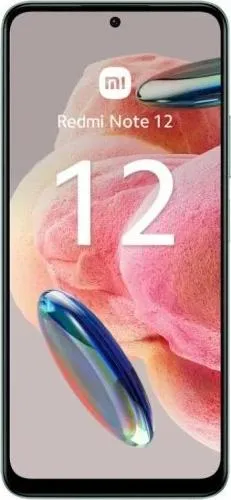
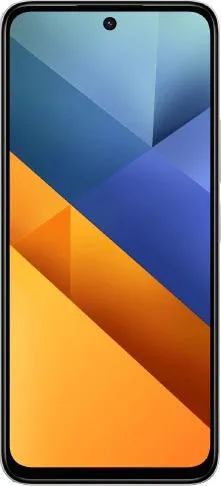
1. Specifications Comparison
| Feature | Xiaomi Redmi Note 12 4G | Xiaomi Poco M6 4G | Practical Impact |
|---|---|---|---|
| Design | |||
| Dimensions (mm) | 165.7 x 76 x 7.9 | 168.6 x 76.3 x 8.3 | Poco M6 is slightly larger and thicker. |
| Weight (g) | 183.5 | 205 | Redmi Note 12 is noticeably lighter, more comfortable for extended use. |
| Display | |||
| Display Type | AMOLED, 120Hz | IPS LCD, 90Hz | Redmi Note 12 offers deeper blacks, more vibrant colors, and smoother scrolling due to AMOLED and higher refresh rate. Poco M6's LCD might be slightly better in direct sunlight. |
| Size (inches) | 6.67 | 6.79 | Poco M6 has a marginally larger screen. |
| Resolution | 1080 x 2400 | 1080 x 2460 | Negligible difference in sharpness. |
| Peak Brightness (nits) | 1200 | (Missing) | Redmi Note 12's higher peak brightness (confirmed) ensures better visibility outdoors. We can't compare without Poco M6's peak brightness. |
| Performance | |||
| Chipset | Snapdragon 685 (6nm) | Helio G91 (12nm) | Redmi Note 12's 6nm process should offer better power efficiency. Helio G91 may have slightly better CPU performance in some tasks due to faster Cortex-A75 cores. |
| CPU | Octa-core (4x2.8 GHz A73 & 4x1.9 GHz A53) | Octa-core (2x2.0 GHz A75 & 6x1.8 GHz A55) | Real-world performance differences likely minimal for everyday tasks; gaming performance might slightly favor the Poco M6. |
| GPU | Adreno 610 | Mali-G52 MC2 | Gaming performance could be slightly better on the Poco M6. |
| RAM | 4/6/8GB | 6/8GB | More RAM options on Redmi Note 12 cater to different budgets and needs. |
| Camera | |||
| Main Camera | 50MP, f/1.8 | 108MP, f/1.75 | Poco M6 boasts higher resolution, potentially capturing more detail. Redmi Note 12's sensor has slightly larger pixel size when binned (1.28µm vs 1.92µm after binning) potentially capturing more light in low-light conditions. Image quality depends on processing, not just megapixels. |
| Front Camera | 13MP, f/2.45 | 13MP, f/2.45 | Similar front cameras on paper. |
| Video Recording | 1080p@30fps | 1080p@30fps | Both offer basic video recording capabilities. |
| Battery | |||
| Capacity (mAh) | 5000 | 5030 | Negligible difference in battery capacity. |
| Fast Charging | 33W | 33W | Similar fast charging speeds. |
2. Key Differences Analysis
Redmi Note 12 Advantages:
- Superior Display: AMOLED with 120Hz refresh rate provides a significantly better visual experience.
- Lighter and Slimmer: More comfortable for one-handed use and carrying.
- More Power Efficient: 6nm chipset should lead to better battery life.
- More Affordable: Generally offered at a lower price point.
Poco M6 Advantages:
- Higher Resolution Main Camera: Potentially better detail in photos, but real-world results depend on image processing.
- Slightly Larger Display: Offers marginally more screen real estate.
- Potentially Better Gaming: Due to the Helio G91 and Mali-G52 MC2 GPU
3. User Profiles & Recommendations
Redmi Note 12: Ideal for users prioritizing display quality, battery life, and overall value. Excellent for media consumption, web browsing, and everyday tasks.
Poco M6: Suitable for budget-conscious users who prioritize camera resolution and potentially slightly better gaming performance.
4. Decision Framework
Key Questions:
- Is display quality a top priority? If yes, Redmi Note 12's AMOLED is the clear winner.
- What is your budget? Redmi Note 12 generally offers better value in the lower price range.
- Is gaming a primary use case? If yes, Poco M6 might be slightly better, but the difference might not be substantial.
My Choice: Xiaomi Redmi Note 12 4G
Reasons:
The Redmi Note 12 offers a significantly better display experience with its AMOLED panel and 120Hz refresh rate, which is a crucial factor for me in daily usage. Its lighter and slimmer design is also more appealing for comfort. While the Poco M6 boasts a higher resolution main camera, real-world image quality is often determined by factors beyond megapixels, and I prioritize the overall user experience. The Redmi Note 12 strikes a better balance between performance, features, and price, making it the more compelling choice for my needs. The potential power efficiency gains from the 6nm chipset are also a significant advantage.
