1. Specifications Comparison
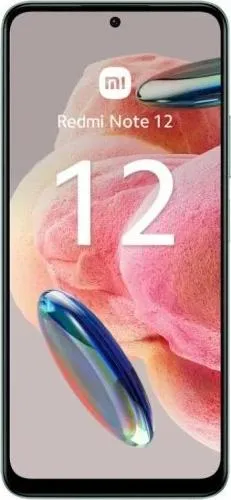
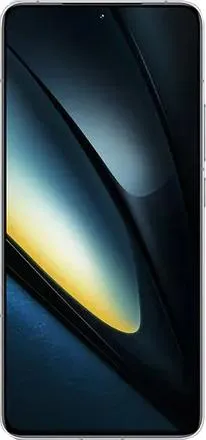
| Feature | Xiaomi Redmi Note 12 4G | Xiaomi Poco F6 Pro | Practical Impact |
|---|---|---|---|
| Design | |||
| Dimensions (mm) | 165.7 x 76 x 7.9 | 160.9 x 75 x 8.2 | Poco F6 Pro is slightly shorter and narrower, but thicker. Negligible difference in everyday use. |
| Weight (g) | 183.5 | 209 | Redmi Note 12 is noticeably lighter, reducing hand fatigue during extended use. |
| Build | Not specified | Not specified | Cannot compare build quality without material information. |
| Display | |||
| Size (inches) | 6.67 | 6.67 | Same screen size. |
| Resolution | 1080 x 2400 | 1440 x 3200 | Poco F6 Pro has a significantly sharper display, resulting in clearer text and images. |
| Type | AMOLED, 120Hz | AMOLED, 120Hz | Both offer smooth scrolling and vibrant colors thanks to AMOLED and 120Hz refresh rate. |
| Peak Brightness (nits) | 1200 | 4000 | Poco F6 Pro offers much higher peak brightness, ensuring excellent outdoor visibility. |
| HDR | No Dolby Vision | Dolby Vision, HDR10+ | Poco F6 Pro supports HDR standards for superior dynamic range and color accuracy in compatible content. |
| Performance | |||
| Chipset | Snapdragon 685 (6nm) | Snapdragon 8 Gen 2 (4nm) | Poco F6 Pro boasts a vastly more powerful processor, enabling significantly faster performance in demanding tasks and gaming. |
| CPU | Octa-core (4x2.8 GHz A73 & 4x1.9 GHz A53) | Octa-core (1x3.2 GHz X3 & 2x2.8 GHz A715 & 2x2.8 GHz A710 & 3x2.0 GHz A510) | The Poco F6 Pro's CPU architecture is much more advanced, offering superior speed and efficiency. |
| GPU | Adreno 610 | Adreno 740 | Poco F6 Pro has a considerably more powerful GPU, delivering significantly better gaming and graphics performance. |
| RAM | 4/6/8GB | 12/16GB | Poco F6 Pro offers substantially more RAM, allowing for smoother multitasking and more demanding applications. |
| Storage | 128/256GB | 256GB/1TB | Poco F6 Pro offers higher storage options for users with large media libraries. |
| Camera | |||
| Main Camera | 50MP | 50MP | Resolution is the same, but sensor details suggest the Poco F6 Pro might have a larger sensor (1/1.55" vs 1/2.76"), potentially capturing more light and detail. Requires further analysis to confirm. |
| Video Recording | 1080p@30fps | Up to 8K@24fps | Poco F6 Pro offers significantly higher video resolution and frame rate options. |
| Features | Basic features | Optical Stabilization, Slow Motion up to 1920fps, Night Mode | Poco F6 Pro offers advanced camera features for superior image and video quality. |
| Battery | |||
| Capacity | 5000mAh | 5000mAh | Same battery capacity. |
| Charging | 33W Fast Charging | 120W Fast Charging | Poco F6 Pro charges significantly faster. |
2. Key Differences Analysis
Xiaomi Redmi Note 12 4G Advantages:
- Lighter: More comfortable for extended use.
- More Affordable: Significantly cheaper based on provided price ranges.
Xiaomi Poco F6 Pro Advantages:
- Significantly More Powerful: Superior performance for gaming, multitasking, and demanding applications.
- Sharper Display: Clearer visuals and better outdoor visibility.
- Superior Camera System: Higher resolution video recording, optical stabilization, and advanced features.
- Much Faster Charging: Significantly reduces downtime.
Trade-offs:
- The Poco F6 Pro's increased performance and features come at a significantly higher price and slightly heavier weight.
- The Redmi Note 12 4G prioritizes affordability and lighter weight but compromises on performance, display quality, and camera features.
3. User Profiles & Recommendations
Redmi Note 12 4G:
- Ideal User: Budget-conscious users who prioritize basic functionality, light weight, and long battery life for everyday tasks like browsing, social media, and casual photography.
- Use Cases: Casual web browsing, social media, light gaming, basic photography.
Poco F6 Pro:
- Ideal User: Power users, gamers, and photography enthusiasts who demand top-tier performance, a high-quality display, advanced camera features, and fast charging.
- Use Cases: Demanding mobile gaming, professional photography/videography, multitasking, content creation.
4. Decision Framework
Key Questions for Buyers:
- What is your budget? The Redmi Note 12 is significantly more affordable.
- What is your primary use case? Basic tasks vs. demanding gaming/content creation.
- Which features are most important to you? Performance, camera, display, battery life, price.
Scenario-Based Recommendations:
- Limited Budget, Basic Usage: Redmi Note 12 4G
- Demanding Games and Apps: Poco F6 Pro
- Photography Enthusiast: Poco F6 Pro
- Best Value for Money: This depends heavily on individual needs. The Redmi Note 12 offers great value for its price, while the Poco F6 Pro provides premium features for a higher cost.
My Choice: Xiaomi Poco F6 Pro
While the Redmi Note 12 4G is a solid budget option, I would choose the Poco F6 Pro. The significant leap in performance, the vastly superior display and camera system, and incredibly fast charging are compelling. Although it comes at a higher price, the long-term benefits of a future-proof device with a smooth, enjoyable user experience outweigh the cost for me. The improved performance and features would enhance my daily productivity and allow me to enjoy demanding mobile games and high-quality media consumption. The faster charging is a huge convenience in my busy lifestyle. While the weight difference is notable, it's not a dealbreaker considering the significant advantages the Poco F6 Pro offers.
