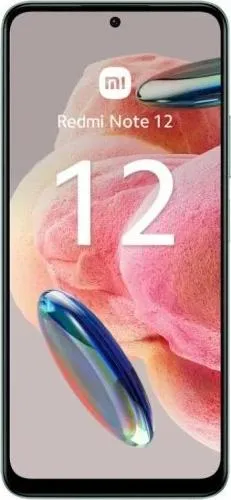
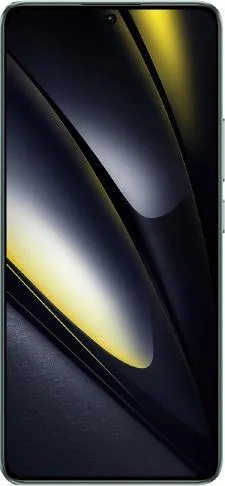
1. Specifications Comparison
| Feature | Xiaomi Redmi Note 12 4G | Xiaomi Poco F6 | Practical Impact |
|---|---|---|---|
| Design | |||
| Dimensions (mm) | 165.7 x 76 x 7.9 | 160.5 x 74.5 x 8 | Poco F6 is slightly shorter and narrower, potentially improving one-handed usability. |
| Weight (g) | 183.5 | 179 | Negligible weight difference in real-world usage. |
| Display | |||
| Size (inches) | 6.67 | 6.67 | Same screen size. |
| Resolution | 1080 x 2400 | 1220 x 2712 | Poco F6 has a significantly sharper display, resulting in clearer text and images. |
| Type | AMOLED, 120Hz | AMOLED, 120Hz, HDR10+, Dolby Vision | Both offer smooth scrolling with 120Hz. Poco F6 supports HDR10+ and Dolby Vision for superior video quality with wider color gamut and dynamic range. |
| Peak Brightness | 1200 nits | 2400 nits | Poco F6 offers much higher peak brightness, ensuring better visibility in direct sunlight. |
| Performance | |||
| Chipset | Snapdragon 685 (6nm) | Snapdragon 8s Gen 3 (4nm) | Poco F6 boasts a significantly more powerful processor, enabling smoother multitasking, faster app loading, and better gaming performance. |
| CPU | Octa-core (4x2.8 GHz Cortex-A73 & 4x1.9 GHz Cortex-A53) | Octa-core (1x3.0 GHz Cortex-X4 & 4x2.8 GHz Cortex-A720 & 3x2.0 GHz Cortex-A520) | The Poco F6's newer CPU architecture provides a substantial performance advantage. |
| GPU | Adreno 610 | Adreno 735 | Poco F6 has a much more capable GPU, delivering significantly better graphics performance for demanding games and applications. |
| RAM | 4/6/8GB | 8/12GB | Poco F6 offers more RAM in its base configuration, enabling better multitasking and preventing app closures in the background. |
| Camera | |||
| Main Camera | 50MP | 50MP | While both have the same resolution, the Poco F6 uses a Sony IMX882 sensor with a wider f/1.6 aperture, potentially capturing better low-light photos. Information about Redmi Note 12's sensor performance in low light is missing. |
| Video Recording | 1080p@30fps | Up to 4K@60fps with EIS | Poco F6 offers superior video recording capabilities with higher resolution, frame rate, and Electronic Image Stabilization (EIS). |
| Battery | |||
| Capacity | 5000 mAh | 5000 mAh | Same battery capacity. |
| Charging | 33W Fast Charging | 90W Fast Charging | Poco F6 charges significantly faster. |
2. Key Differences Analysis
Xiaomi Redmi Note 12 4G Advantages:
- Lower Price: Expected to be significantly cheaper.
Xiaomi Poco F6 Advantages:
- Significantly Superior Performance: The Snapdragon 8s Gen 3 chip offers a substantial performance advantage for demanding tasks and gaming.
- Better Display: Sharper resolution, HDR10+, Dolby Vision support, and much higher peak brightness.
- Faster Charging: 90W fast charging significantly reduces charging time.
- Superior Camera Features: Better low-light photography potential, higher resolution video recording with EIS.
3. User Profiles & Recommendations
Redmi Note 12 4G:
- Budget-conscious users: For those prioritizing affordability over top-tier performance.
- Light users: Suitable for everyday tasks like browsing, social media, and casual photography.
Poco F6:
- Power users: Ideal for gamers, content creators, and those who demand high performance.
- Multimedia enthusiasts: The superior display and video recording capabilities cater to those who consume a lot of media.
4. Decision Framework
Key Questions for Buyers:
- What is your budget? The Redmi Note 12 is expected to be much more affordable.
- What are your primary use cases? Gaming and multimedia consumption benefit greatly from the Poco F6's superior performance and display.
- How important is fast charging? The Poco F6's 90W charging is a major advantage for those who need quick top-ups.
My Choice: Xiaomi Poco F6
While the Redmi Note 12 4G offers a budget-friendly option, the Poco F6 is the clear winner for me. The substantial upgrade in performance, display quality, camera features, and charging speed justifies the higher price. The Snapdragon 8s Gen 3 ensures a future-proof experience, and the brilliant display enhances media consumption significantly. While I am not a heavy gamer, I appreciate a smooth and responsive user interface, which the Poco F6 undoubtedly delivers. The faster charging is a major convenience in my busy lifestyle. While price is a factor, the long-term value and superior user experience offered by the Poco F6 make it the more compelling choice.
