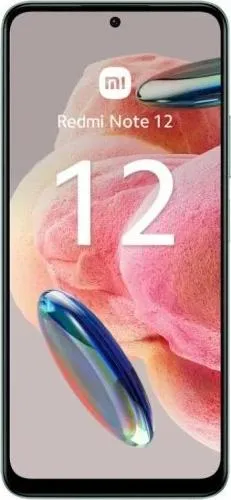
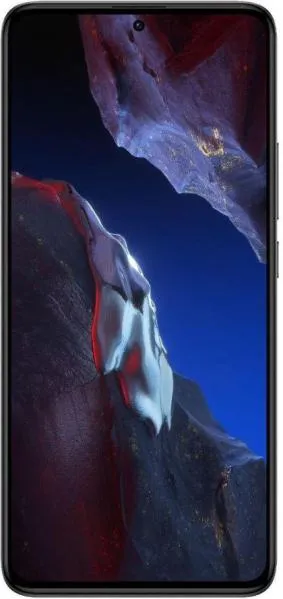
1. Specifications Comparison
| Feature | Xiaomi Redmi Note 12 4G | Xiaomi Poco F5 Pro | Practical Impact |
|---|---|---|---|
| Design | |||
| Dimensions (mm) | 165.7 x 76 x 7.9 | 162.8 x 75.4 x 8.6 | Poco F5 Pro is slightly shorter and narrower, but thicker. Negligible difference in everyday use. |
| Weight (g) | 183.5 | 204 | Redmi Note 12 is noticeably lighter, reducing hand fatigue during extended use. |
| Display | |||
| Display Type | AMOLED, 120Hz | AMOLED, 120Hz, Dolby Vision, HDR10+ | Both offer smooth scrolling with 120Hz. Poco F5 Pro supports HDR10+ and Dolby Vision for superior dynamic range and color accuracy in compatible content. |
| Resolution | 1080 x 2400 | 1440 x 3200 | Poco F5 Pro has a significantly sharper display, resulting in crisper text and images. |
| Peak Brightness (nits) | 1200 | 1400 | Poco F5 Pro offers better outdoor visibility in direct sunlight. |
| Performance | |||
| Chipset | Snapdragon 685 (6nm) | Snapdragon 8+ Gen 1 (4nm) | Poco F5 Pro boasts a vastly more powerful processor, enabling significantly faster performance in demanding tasks and gaming. |
| CPU | Octa-core (4x2.8 GHz Cortex-A73 & 4x1.9 GHz Cortex-A53) | Octa-core (1x3.0 GHz Cortex-X2 & 3x2.5 GHz Cortex-A710 & 4x1.80 GHz Cortex-A510) | Poco F5 Pro's superior CPU architecture delivers much faster processing speeds and improved multi-tasking. |
| GPU | Adreno 610 | Adreno 730 | Poco F5 Pro offers significantly better graphics performance for smoother gaming and faster rendering. |
| RAM | 4/6/8GB | 12GB | Poco F5 Pro has substantially more RAM, allowing for seamless multitasking and smoother performance with multiple apps open. |
| Camera | |||
| Main Camera | 50MP | 64MP, OIS | Poco F5 Pro has a higher resolution sensor and Optical Image Stabilization (OIS) for sharper images and improved low-light performance. |
| Video Recording | 1080p@30fps | 8K@24fps, 4K@60fps | Poco F5 Pro offers significantly higher video resolution and frame rate options, including 8K recording. |
| Battery | |||
| Capacity | 5000 mAh | 5160 mAh | Negligible difference in battery capacity. Real-world battery life will depend more on usage patterns and software optimization. |
| Fast Charging | 33W | 67W | Poco F5 Pro charges significantly faster, minimizing downtime. |
2. Key Differences Analysis
Xiaomi Redmi Note 12 4G Advantages:
- Lighter and More Affordable: Offers a more comfortable in-hand feel and a lower price point.
Xiaomi Poco F5 Pro Advantages:
- Significantly More Powerful: Superior processor, GPU, and RAM for demanding tasks and gaming.
- Higher Resolution Display with HDR: Sharper visuals and better dynamic range.
- Superior Camera System: Higher resolution sensor with OIS and advanced video recording capabilities.
- Faster Charging: Significantly reduced charging times.
Trade-offs:
- The Poco F5 Pro's higher performance comes at a higher price and slightly increased weight.
- The Redmi Note 12 4G prioritizes affordability and lighter weight, sacrificing performance and some premium features.
3. User Profiles & Recommendations
Xiaomi Redmi Note 12 4G: Ideal for budget-conscious users who prioritize basic smartphone functionalities like calling, texting, social media browsing, and light photography. Good for users seeking a lightweight device.
Xiaomi Poco F5 Pro: Ideal for power users, gamers, and content creators who demand top-tier performance, a high-quality display, and advanced camera features.
4. Decision Framework
Key Questions for Buyers:
- What is your budget? The Redmi Note 12 is significantly more affordable.
- What are your primary smartphone usage patterns? For basic use, the Redmi Note 12 suffices. For demanding tasks and gaming, the Poco F5 Pro is necessary.
- Do you prioritize display quality and camera performance? The Poco F5 Pro offers significant advantages in these areas.
My Choice: Xiaomi Poco F5 Pro
While the Redmi Note 12 4G offers excellent value for its price, I would choose the Poco F5 Pro. The significant jump in performance, the superior display and camera system, and faster charging are crucial for my usage. I prioritize a smooth and responsive user experience, high-quality media consumption, and the ability to capture great photos and videos. The higher price is justified by the substantial improvements in key areas that significantly enhance the overall user experience. While the added weight is a minor drawback, the performance benefits outweigh this concern for me.
