1. Specifications Comparison
| Feature | Xiaomi Redmi Note 12 4G | Xiaomi Poco C65 | Practical Impact |
|---|---|---|---|
| Design | |||
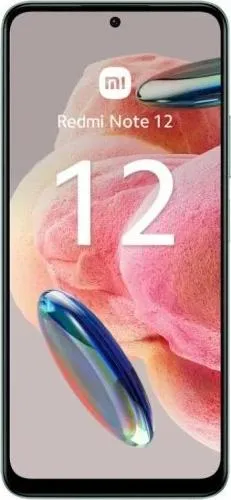
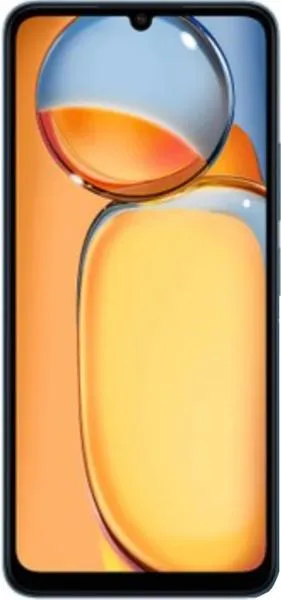
| Dimensions (mm) | 165.7 x 76 x 7.9 | 168 x 78 x 8.1 | Poco C65 is slightly larger and thicker. |
| Weight (g) | 183.5 | 192 | Redmi Note 12 is noticeably lighter, improving one-handed use. |
| Display | |||
| Display Type | AMOLED, 120Hz | IPS LCD, 90Hz | Redmi Note 12 offers deeper blacks, more vibrant colors, and smoother scrolling thanks to AMOLED and 120Hz. |
| Resolution | 1080 x 2400 | 720 x 1600 | Redmi Note 12 has a significantly sharper display. |
| PPI | 395 | 260 | Text and images will be crisper on the Redmi Note 12. |
| Peak Brightness (nits) | 1200 | Not specified | Redmi Note 12 likely offers better outdoor visibility, though the specific peak brightness for the Poco C65 is unknown. |
| Performance | |||
| Chipset | Snapdragon 685 (6nm) | Helio G85 (12nm) | Redmi Note 12's 6nm process likely translates to better power efficiency. Performance differences might be negligible for everyday tasks. |
| CPU | Octa-core (4x2.8 GHz Cortex-A73 & 4x1.9 GHz Cortex-A53) | Octa-core (2x2.0 GHz Cortex-A75 & 6x1.8 GHz Cortex-A55) | While different architectures, both CPUs should handle day-to-day tasks well. The Redmi Note 12 might offer slightly better performance in demanding applications. |
| GPU | Adreno 610 | Mali-G52 MC2 | Redmi Note 12 likely has a slight edge in graphics performance. |
| RAM | 4/6/8GB | 4/6/8GB | Both offer various RAM options for multitasking needs. |
| Camera | |||
| Main Camera | 50MP | 50MP | Megapixel count is the same, but image quality depends on sensor and processing. More details on sensor models are needed for accurate comparison. |
| Selfie Camera | 13MP | 8MP | Redmi Note 12 boasts a higher resolution selfie camera. |
| Video Recording | 1080p@30fps | 1080p@30fps | Both offer basic video recording capabilities. |
| Battery | |||
| Capacity | 5000 mAh | 5000 mAh | Both offer the same battery capacity. |
| Fast Charging | 33W | 18W | Redmi Note 12 charges significantly faster. |
2. Key Differences Analysis
Redmi Note 12 Advantages:
- Superior Display: AMOLED with 120Hz refresh rate provides a significantly better visual experience.
- Faster Charging: 33W fast charging reduces downtime.
- Lighter and Slimmer: More comfortable for one-handed use.
- Potentially Better Performance: Slightly more efficient chipset and potentially better GPU.
Poco C65 Advantages:
- Lower Price: Positioned in a lower price bracket.
- Bluetooth 5.3: Slightly newer Bluetooth version with potential for improved connectivity and lower power consumption.
3. User Profiles & Recommendations
Redmi Note 12: Users who prioritize display quality, faster charging, and a smoother overall experience. Suitable for media consumption, gaming, and general use.
Poco C65: Budget-conscious users who primarily need a large screen and basic smartphone functionality. Best for users who prioritize affordability over premium features.
4. Decision Framework
Key Questions for Buyers:
- What is your budget? The Poco C65 is significantly cheaper.
- How important is display quality? The Redmi Note 12's AMOLED display is a major differentiator.
- What are your primary use cases? Gaming and media consumption benefit from the Redmi Note 12's performance and display.
My Choice: Xiaomi Redmi Note 12 4G
While the Poco C65 offers compelling value for its price, the Redmi Note 12 4G provides a significantly better user experience due to its superior AMOLED display, faster charging, and more comfortable design. The slightly higher price is justified by these tangible improvements in daily usage. The 120Hz refresh rate and sharper resolution alone make a noticeable difference in fluidity and visual clarity. For me, these factors outweigh the marginal performance gains and Bluetooth version difference offered by the Poco C65. The lighter weight and slimmer profile also contribute to a more enjoyable handling experience.
