1. Specifications Comparison
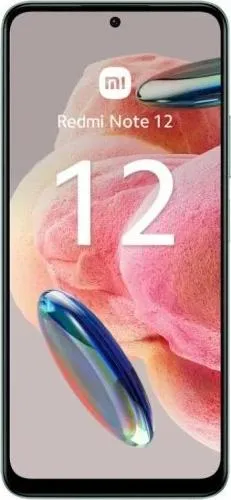
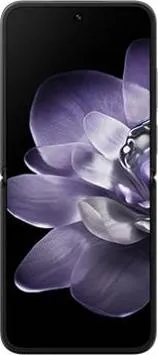
| Feature | Xiaomi Redmi Note 12 4G | Xiaomi Mix Flip | Practical Impact |
|---|---|---|---|
| Design | |||
| Dimensions (mm) | 165.7 x 76 x 7.9 | 167.5 x 74 x 7.6 | Mix Flip slightly taller, Redmi Note 12 wider and thicker. Negligible difference in everyday use. |
| Weight (g) | 183.5 | 190 | Mix Flip slightly heavier, but the difference is minimal. |
| Foldable | No | Yes | Mix Flip offers a compact folded size for portability but larger screen unfolded for media consumption. |
| Display | |||
| Size (inches) | 6.67 | 6.86 | Mix Flip has a noticeably larger screen area. |
| Resolution (px) | 1080 x 2400 | 1224 x 2912 | Mix Flip boasts a significantly sharper display. |
| Type | AMOLED, 120Hz | Foldable LTPO AMOLED, 120Hz | Both offer smooth scrolling and vibrant colors, but Mix Flip's LTPO likely allows for dynamic refresh rate adjustment, saving battery. Mix Flip supports Dolby Vision and HDR10+ for superior dynamic range and color accuracy in supported content. |
| Peak Brightness (nits) | 1200 | 3000 | Mix Flip is significantly brighter, improving outdoor visibility. |
| Performance | |||
| Chipset | Snapdragon 685 (6nm) | Snapdragon 8 Gen 3 (4nm) | Mix Flip possesses vastly superior processing power, leading to much faster app loading, smoother multitasking, and better gaming performance. |
| CPU | Octa-core (4x2.8 GHz Cortex-A73 & 4x1.9 GHz Cortex-A53) | Octa-core (1x3.3 GHz Cortex-X4 & 3x3.2 GHz Cortex-A720 & 2x3.0 GHz Cortex-A720 & 2x2.3 GHz Cortex-A520) | Mix Flip's CPU architecture is significantly more powerful and efficient. |
| GPU | Adreno 610 | Adreno 750 | Mix Flip offers a significantly more powerful GPU for demanding gaming and graphics-intensive tasks. |
| RAM | 4/6/8 GB | 12 GB | Mix Flip has much more RAM, allowing for seamless multitasking and keeping more apps open in the background. |
| Camera | |||
| Rear Camera | 50MP Main, 8MP Wide, 2MP Macro | 50MP Main, 60MP Telephoto | Mix Flip has a higher resolution telephoto lens for better zoom capabilities. Redmi Note 12 has a dedicated macro lens, but quality is likely limited by resolution. |
| Video Recording | 1080p@30fps | Up to 8K@24fps | Mix Flip offers significantly higher resolution and frame rate video recording options. |
| Battery | |||
| Capacity (mAh) | 5000 | 4780 | Redmi Note 12 has slightly larger battery capacity. |
| Fast Charging | 33W | 67W | Mix Flip charges significantly faster. |
2. Key Differences Analysis
Xiaomi Redmi Note 12 4G Advantages:
- Lower Price: Significantly more affordable.
- Slightly Larger Battery: Potentially longer battery life for basic usage.
Xiaomi Mix Flip Advantages:
- Significantly More Powerful: Superior performance in all aspects due to a flagship processor and ample RAM.
- Higher Quality Display: Larger, sharper, brighter, and supports HDR10+, Dolby Vision, and LTPO.
- Foldable Design: Offers unique portability and larger screen real estate when unfolded.
- Better Camera System: Superior telephoto lens and advanced video recording capabilities.
- Faster Charging: Significantly reduces charging time.
Trade-offs:
- Price: Mix Flip is significantly more expensive.
- Battery Life: Despite larger capacity on Redmi Note 12, Mix Flip's more powerful processor and larger, brighter display may result in comparable or even shorter battery life depending on usage.
3. User Profiles & Recommendations
Xiaomi Redmi Note 12 4G: Budget-conscious users who prioritize basic functionality: calling, texting, browsing, social media, and light photography.
Xiaomi Mix Flip: Users who demand top-tier performance, cutting-edge technology, a premium display, and advanced camera features. Ideal for power users, content creators, and those who value the unique foldable form factor.
4. Decision Framework
Key Questions:
- What is your budget? The Redmi Note 12 is a budget-friendly option, while the Mix Flip is a premium flagship.
- What are your performance requirements? For demanding tasks and gaming, the Mix Flip is vastly superior.
- Do you value portability and a large screen? The Mix Flip's foldable design offers both.
Scenario-Based Recommendations:
- Limited budget, basic usage: Redmi Note 12
- Power user, demanding tasks, premium experience: Mix Flip
My Choice: Xiaomi Mix Flip
While the Redmi Note 12 offers excellent value for its price, the Xiaomi Mix Flip is the clear winner for me. Its superior performance, stunning display, innovative foldable design, and advanced camera capabilities make it a truly compelling device. The significantly faster charging and future-proof 5G connectivity further solidify its position. While the price is high, the comprehensive upgrade in user experience justifies the premium. I prioritize performance, a high-quality display, and future-proof features, making the Mix Flip the better choice for my needs. The foldable form factor is a bonus that enhances portability without sacrificing screen size when needed.
