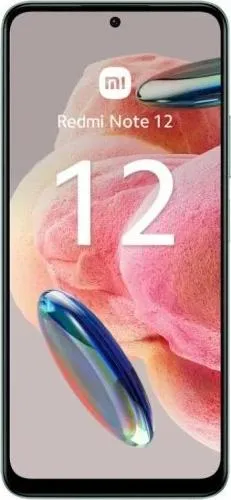
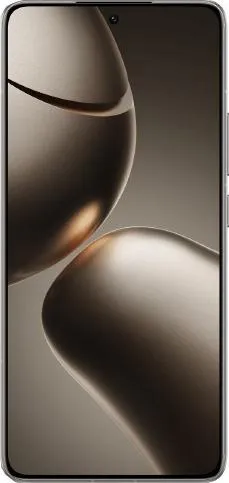
1. Specifications Comparison
| Feature | Xiaomi Redmi Note 12 4G | Xiaomi 14T Pro | Practical Impact |
|---|---|---|---|
| Design | |||
| Dimensions (mm) | 165.7 x 76 x 7.9 | 160.4 x 75.1 x 8.4 | 14T Pro slightly shorter, narrower, but thicker. Negligible difference in everyday use. |
| Weight (g) | 183.5 | 209 | 14T Pro noticeably heavier, potentially impacting one-handed use. |
| Display | |||
| Size (inches) | 6.67 | 6.67 | Same screen size. |
| Resolution (pixels) | 1080 x 2400 | 1220 x 2712 | 14T Pro has a sharper display with higher pixel density, resulting in crisper text and images. |
| Refresh Rate (Hz) | 120 | 144 | 14T Pro offers smoother scrolling and animations. Noticeable in fast-paced games and UI interactions. |
| Display Type | AMOLED | AMOLED | Both offer vibrant colors and deep blacks. |
| Peak Brightness (nits) | 1200 | 4000 | 14T Pro significantly brighter, ensuring better visibility in direct sunlight. |
| HDR | No Dolby Vision | Dolby Vision, HDR10+ | 14T Pro supports HDR standards, providing a wider dynamic range and more realistic colors in compatible content. |
| Performance | |||
| Chipset | Snapdragon 685 (6nm) | Dimensity 9300+ (4nm) | 14T Pro boasts a significantly more powerful and efficient processor, leading to faster app loading, smoother multitasking, and better gaming performance. |
| CPU | Octa-core (4x2.8 GHz Cortex-A73 & 4x1.9 GHz Cortex-A53) | Octa-core (1x3.4 GHz Cortex-X4 & 3x2.85 GHz Cortex-X4 & 4x2.0 GHz Cortex-A720) | 14T Pro's CPU architecture is far superior, delivering substantial performance gains. |
| GPU | Adreno 610 | Immortalis-G720 MC12 | 14T Pro offers a vastly improved GPU, enabling high-end gaming and demanding graphical tasks. |
| RAM (GB) | 4/6/8 | 12 | 14T Pro has significantly more RAM, allowing for seamless multitasking and keeping more apps open in the background. |
| Camera | |||
| Main Camera (MP) | 50 | 50 | Comparable resolution, but sensor and lens specifications differ significantly (see below). |
| Sensor Size | 1/2.76" | 1/1.31" | 14T Pro features a much larger sensor, capturing more light and detail, especially in low-light conditions. |
| Aperture | f/1.8 | f/1.6 | Wider aperture on the 14T Pro further enhances low-light performance. |
| Video Recording | 1080p@30fps | Up to 8K@30fps | 14T Pro offers significantly higher video resolution and frame rates, including advanced features like HDR and EIS. |
| Battery | |||
| Capacity (mAh) | 5000 | 5000 | Same battery capacity. |
| Fast Charging (W) | 33 | 120 | 14T Pro charges significantly faster, minimizing downtime. |
2. Key Differences Analysis
Xiaomi Redmi Note 12 4G Advantages:
- Lower Price: Significantly more affordable.
Xiaomi 14T Pro Advantages:
- Superior Performance: Significantly faster processor, GPU, and more RAM.
- Better Display: Higher resolution, refresh rate, and peak brightness.
- Enhanced Camera: Larger sensor, wider aperture, higher video resolution capabilities.
- Faster Charging: Significantly faster charging speed.
3. User Profiles & Recommendations
Redmi Note 12 4G: Budget-conscious users prioritizing basic tasks like calling, messaging, social media, and light web browsing. Good for casual users who don't demand high performance.
14T Pro: Users who demand top-tier performance for gaming, demanding applications, and content creation. Ideal for photographers and videographers due to the advanced camera system.
4. Decision Framework
Key Questions for Buyers:
- What is your budget? The Redmi Note 12 is significantly cheaper.
- What are your primary use cases? Basic tasks vs. demanding applications and gaming.
- How important is camera quality and video recording capabilities? The 14T Pro offers a major upgrade in this area.
My Choice: Xiaomi 14T Pro
While the Redmi Note 12 4G offers decent value for its price, the Xiaomi 14T Pro is the clear winner for me. Its superior performance, significantly better display and camera system, and incredibly fast charging outweigh the higher price. The Dimensity 9300+ processor and Immortalis-G720 MC12 GPU offer a substantial leap in performance that would greatly enhance my user experience. The brighter, sharper display with a higher refresh rate and HDR support is another significant advantage. Finally, the advanced camera system with a large sensor and 8K video recording capabilities is a compelling feature for capturing high-quality photos and videos. While more expensive, the 14T Pro provides a future-proof device capable of handling demanding tasks and providing a premium user experience for years to come.
