
1. Specifications Comparison
| Feature | Xiaomi Redmi Note 12 4G | Xiaomi 14 Ultra | Practical Impact |
|---|---|---|---|
| Design | |||
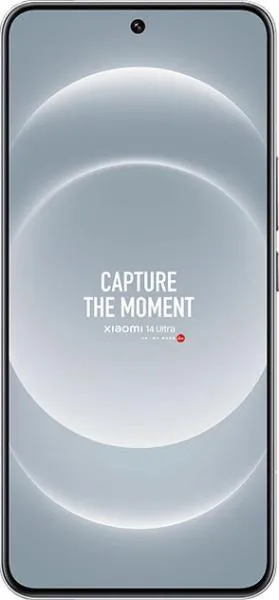
| Dimensions (mm) | 165.7 x 76 x 7.9 | 161.4 x 75.3 x 9.2 | The 14 Ultra is slightly shorter, narrower, but thicker and noticeably heavier. |
| Weight (g) | 183.5 | 229.5 | The 14 Ultra's weight might be noticeable during extended use. |
| Build | Unspecified | Unspecified | Build material impacts durability and premium feel; information lacking for both. |
| Display | |||
| Size (inches) | 6.67 | 6.73 | Negligible difference in screen real estate. |
| Resolution | 1080 x 2400 | 1440 x 3200 | The 14 Ultra offers significantly sharper visuals due to higher resolution. |
| Type | AMOLED, 120Hz | LTPO AMOLED, 120Hz | Both offer smooth scrolling, but the 14 Ultra's LTPO panel allows for variable refresh rate, saving battery. |
| Peak Brightness | 1200 nits | 3000 nits | The 14 Ultra will be far more readable in direct sunlight. |
| HDR | No Dolby Vision | Dolby Vision, HDR10+ | The 14 Ultra supports HDR standards for a superior video viewing experience with wider color gamut and contrast. |
| Performance | |||
| Chipset | Snapdragon 685 (6nm) | Snapdragon 8 Gen 3 (4nm) | Massive performance difference; the 8 Gen 3 offers flagship-level speed and efficiency for demanding tasks and gaming. |
| CPU | Octa-core (4x2.8 GHz A73 & 4x1.9 GHz A53) | Octa-core (1x3.3 GHz X4 & 3x3.2 GHz A720 & 2x3.0 GHz A720 & 2x2.3 GHz A520) | The 14 Ultra's CPU architecture is significantly more powerful, resulting in faster app loading, smoother multitasking, and better gaming performance. |
| GPU | Adreno 610 | Adreno 750 | Significant GPU upgrade; the 14 Ultra will handle graphically intensive games and tasks much better. |
| RAM | 4GB/6GB/8GB | 12GB/16GB | More RAM in the 14 Ultra allows for seamless multitasking and keeping more apps open in the background. |
| Camera | |||
| Main Camera | 50MP, f/1.8 | 50MP, f/1.63 (variable) | 14 Ultra boasts a larger sensor (1") and variable aperture for superior low-light performance and depth of field control. |
| Ultrawide | 8MP, f/2.2 | 50MP, f/1.8 | Huge difference in ultrawide quality; the 14 Ultra's ultrawide offers much higher resolution and better low-light capabilities. |
| Telephoto | 2MP | 50MP (3.2x) + 50MP (5x) | The 14 Ultra offers superior zoom capabilities with two telephoto lenses, enabling high-quality zoomed shots. |
| Video | 1080p@30fps | Up to 8K@30fps | The 14 Ultra offers significantly higher video resolution and frame rate options for professional-grade video recording. |
| Battery | |||
| Capacity | 5000 mAh | 5000 mAh | Similar battery capacity. |
| Charging | 33W wired | 90W wired, 80W Wireless | The 14 Ultra charges dramatically faster, both wired and wirelessly. |
2. Key Differences Analysis
Xiaomi Redmi Note 12 4G Advantages:
- Price: Significantly more affordable.
- Lighter and thinner: More pocketable for some users.
Xiaomi 14 Ultra Advantages:
- Flagship Performance: Significantly faster processor, GPU, and more RAM.
- Superior Display: Higher resolution, brighter, LTPO technology, HDR support.
- Advanced Camera System: Larger sensor, variable aperture, dual telephoto lenses, high-resolution ultrawide, 8K video recording.
- Faster Charging: Significantly faster wired and wireless charging.
3. User Profiles & Recommendations
Redmi Note 12 4G: Budget-conscious users who prioritize basic functionality: calling, texting, social media, web browsing. Not recommended for demanding tasks or gaming.
Xiaomi 14 Ultra: Users who demand top-tier performance, a premium display, and a cutting-edge camera system. Ideal for power users, gamers, photographers, and videographers.
4. Decision Framework
Key Questions:
- What is your budget? The price difference is substantial.
- What are your primary use cases? Basic vs. demanding tasks, gaming, photography/videography.
- How important is future-proofing? The 14 Ultra offers longer-term performance and feature relevance.
My Choice: Xiaomi 14 Ultra
While the Redmi Note 12 4G offers good value for its price, the Xiaomi 14 Ultra is the clear winner for me. The significantly improved performance, stunning display, advanced camera system, and faster charging justify the higher price. The 14 Ultra offers a flagship experience that will remain relevant for several years, making it a worthwhile investment for my needs. I prioritize a smooth and powerful user experience, high-quality visuals, and excellent camera capabilities, all of which the 14 Ultra delivers in spades. The extra weight is a minor trade-off for the substantial performance and feature gains.
