1. Specifications Comparison
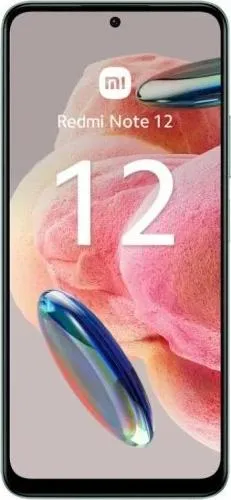
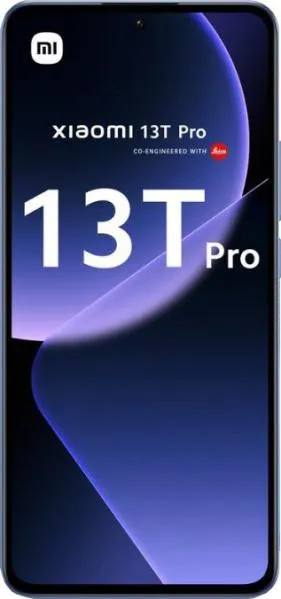
| Feature | Xiaomi Redmi Note 12 4G | Xiaomi 13T Pro | Practical Impact |
|---|---|---|---|
| Design | |||
| Dimensions (mm) | 165.7 x 76 x 7.9 | 162.2 x 75.7 x 8.5 | 13T Pro is slightly shorter and narrower, but thicker. Negligible difference in everyday use. |
| Weight (g) | 183.5 | 200 | 13T Pro is noticeably heavier, potentially impacting one-handed use. |
| Display | |||
| Size (inches) | 6.67 | 6.67 | Same screen size. |
| Resolution | 1080 x 2400 | 1220 x 2712 | 13T Pro has a sharper display with noticeably higher pixel density, resulting in crisper text and images. |
| Refresh Rate (Hz) | 120 | 144 | 13T Pro offers a smoother scrolling and gaming experience due to the higher refresh rate. |
| Display Type | AMOLED | AMOLED | Both offer vibrant colors and deep blacks. |
| Peak Brightness (nits) | 1200 | 2600 | 13T Pro's significantly higher peak brightness ensures better visibility in direct sunlight. |
| HDR Support | No Dolby Vision | Dolby Vision, HDR10+ | 13T Pro supports wider HDR formats, resulting in a better video streaming experience with compatible content. |
| Performance | |||
| Chipset | Snapdragon 685 (6nm) | Dimensity 9200+ (4nm) | 13T Pro boasts a significantly more powerful processor built on a more advanced process, leading to much faster performance in demanding tasks and games. |
| CPU | Octa-core (4x2.8 GHz Cortex-A73 & 4x1.9 GHz Cortex-A53) | Octa-core (1x3.35 GHz Cortex-X3 & 3x3.0 GHz Cortex-A715 & 4x2.0 GHz Cortex-A510) | 13T Pro has a more modern and powerful CPU architecture. |
| GPU | Adreno 610 | Immortalis-G715 MC11 | 13T Pro's GPU offers a substantial leap in graphical performance, enabling higher frame rates and better visuals in games. |
| RAM | 4GB | 12GB | 13T Pro has significantly more RAM, allowing for smoother multitasking and keeping more apps open in the background. |
| Camera | |||
| Main Camera | 50MP | 50MP | Similar resolution, but the 13T Pro utilizes a larger sensor (Sony IMX707) with larger pixel size, potentially capturing more light and detail. |
| Video Recording | 1080p@30fps | Up to 8K@24fps | 13T Pro offers vastly superior video recording capabilities, including higher resolution and frame rates. |
| Optical Stabilization | No | Yes | 13T Pro's optical image stabilization will result in significantly smoother videos and less blurry photos in low light. |
| Battery | |||
| Capacity (mAh) | 5000 | 5000 | Same battery capacity. |
| Fast Charging | 33W | 120W | 13T Pro charges significantly faster, minimizing downtime. |
2. Key Differences Analysis
Xiaomi Redmi Note 12 4G Advantages:
- Lower Price: Significantly more affordable.
Xiaomi 13T Pro Advantages:
- Superior Performance: Significantly faster processor, GPU, and more RAM.
- Better Display: Sharper, smoother, and brighter.
- Enhanced Camera System: Larger sensor, optical stabilization, and superior video recording capabilities.
- Faster Charging: 120W fast charging drastically reduces charging time.
Trade-offs:
- The 13T Pro's higher performance and features come at a significantly higher price.
- The 13T Pro is heavier.
3. User Profiles & Recommendations
Xiaomi Redmi Note 12 4G:
- Ideal User: Budget-conscious users who prioritize basic functionality for everyday tasks like calling, texting, web browsing, and social media.
- Use Cases: Casual usage, light gaming, basic photography.
Xiaomi 13T Pro:
- Ideal User: Power users, gamers, photography enthusiasts, and those who demand top-tier performance and features.
- Use Cases: Demanding games, professional photography and videography, multitasking, content creation.
4. Decision Framework
Key Questions for Buyers:
- What is your budget? The Redmi Note 12 is a budget-friendly option, while the 13T Pro is a premium device.
- What are your primary smartphone usage patterns? Casual users might find the Redmi Note 12 sufficient, while power users will appreciate the 13T Pro's performance.
- Which features are most important to you? Consider prioritizing factors like camera quality, display quality, performance, and battery life.
My Choice: Xiaomi 13T Pro
While the Redmi Note 12 4G offers decent value for its price, the Xiaomi 13T Pro is the clear winner for me. The significantly improved performance, stunning display, superior camera system, and incredibly fast charging outweigh the higher price. The difference in user experience would be substantial, especially for demanding tasks, gaming, and photography/videography. The heavier weight is a minor trade-off for the significant gains in other areas. I prioritize a smooth and responsive user experience, high-quality visuals, and fast charging, making the 13T Pro the better choice for my needs.
