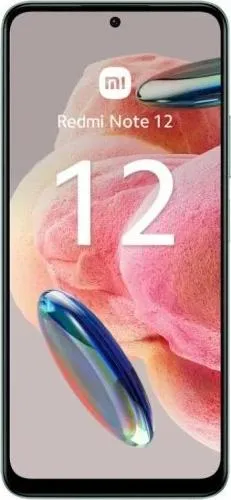
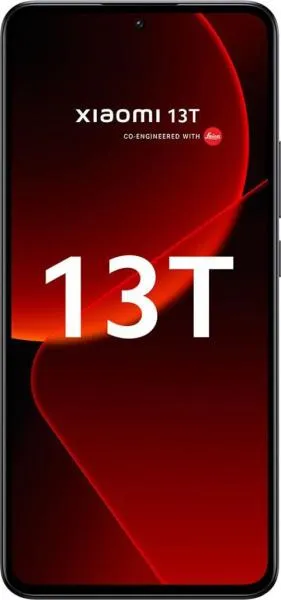
1. Specifications Comparison
| Feature | Xiaomi Redmi Note 12 4G | Xiaomi 13T | Practical Impact |
|---|---|---|---|
| Design | |||
| Dimensions (mm) | 165.7 x 76 x 7.9 | 162.2 x 75.7 x 8.5 | 13T is slightly shorter and narrower, but thicker. Negligible difference in hand feel. |
| Weight (g) | 183.5 | 193 | 13T is slightly heavier, but not significantly so. |
| Display | |||
| Display Type | AMOLED, 120Hz | AMOLED, 144Hz | Both offer vibrant colors and smooth scrolling. 13T's 144Hz provides a slightly smoother experience, especially in fast-paced games, but the difference might not be noticeable for everyone. |
| Display Size (inches) | 6.67 | 6.67 | Identical screen size. |
| Resolution | 1080 x 2400 | 1220 x 2712 | 13T has a sharper display with higher pixel density, resulting in crisper text and images. |
| Peak Brightness (nits) | 1200 | 2600 | 13T's significantly higher peak brightness ensures excellent outdoor visibility, even in direct sunlight. |
| HDR Support | No Dolby Vision | Dolby Vision, HDR10+ | 13T supports wider HDR standards for a superior video viewing experience with enhanced dynamic range and color accuracy. |
| Performance | |||
| Chipset | Snapdragon 685 (6nm) | Dimensity 8200 Ultra (4nm) | 13T boasts a significantly more powerful processor built on a more advanced process, leading to much faster performance in demanding tasks, multitasking, and gaming. |
| CPU | Octa-core (4x2.8 GHz Cortex-A73 & 4x1.9 GHz Cortex-A53) | Octa-core (1x3.1 GHz Cortex-A78 & 3x3.0 GHz Cortex-A78 & 4x2.0 GHz Cortex-A55) | 13T's CPU architecture is newer and more efficient, resulting in superior performance. |
| GPU | Adreno 610 | Mali-G610 MC6 | 13T offers a much more capable GPU, enabling significantly better gaming performance and smoother graphics rendering. |
| RAM | 4/6/8GB | 12GB | 13T comes with substantially more RAM, enabling superior multitasking and preventing apps from closing in the background. |
| Camera | |||
| Main Camera | 50MP | 50MP (Sony IMX707) | While both have 50MP sensors, the 13T uses a larger, more advanced sensor (Sony IMX707) known for its excellent low-light performance and dynamic range. |
| Video Recording | 1080p@30fps | 4K@30fps with HDR, EIS | 13T offers significantly better video recording capabilities with higher resolution, HDR, and electronic image stabilization. |
| Battery | |||
| Capacity | 5000 mAh | 5000 mAh | Identical battery capacity. |
| Fast Charging | 33W | 67W | 13T charges significantly faster, minimizing downtime. |
2. Key Differences Analysis
Xiaomi 13T Advantages:
- Significantly superior performance: The Dimensity 8200 Ultra chipset, coupled with 12GB RAM, provides a vastly improved user experience for demanding tasks and gaming.
- Brighter and sharper display: The 144Hz AMOLED display with HDR10+ and Dolby Vision offers a noticeable improvement in visual quality.
- Faster charging: 67W fast charging drastically reduces charging times.
- Better camera system: The larger Sony IMX707 sensor, telephoto lens, and 4K video recording with EIS deliver a substantial upgrade in imaging capabilities.
Xiaomi Redmi Note 12 4G Advantages:
- Lower price: Offers a more budget-friendly option.
3. User Profiles & Recommendations
Xiaomi 13T: Ideal for users who prioritize performance, a high-quality display, fast charging, and a capable camera system. Suitable for power users, mobile gamers, and content creators.
Xiaomi Redmi Note 12 4G: Best suited for users on a tight budget who primarily use their phone for basic tasks like calling, texting, web browsing, and social media.
4. Decision Framework
Key Questions for Buyers:
- What is your budget? The Redmi Note 12 is significantly cheaper.
- What are your primary phone usage patterns? For basic tasks, the Redmi Note 12 may suffice. For demanding tasks and gaming, the 13T is essential.
- How important is camera and display quality? The 13T offers a substantial upgrade in both areas.
My Choice: Xiaomi 13T
While the Redmi Note 12 offers decent value for its price, the Xiaomi 13T is the clear winner for me. Its superior performance, stunning display, faster charging, and advanced camera system make it a much more compelling device. The price difference is justified by the significant leap in overall user experience. I prioritize a smooth and responsive phone for productivity and entertainment, and the 13T delivers that without compromise. The future-proof 5G connectivity and longer software support (up to Android 17) are also significant factors in its favor.
