1. Specifications Comparison
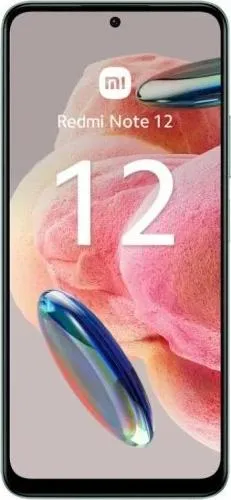
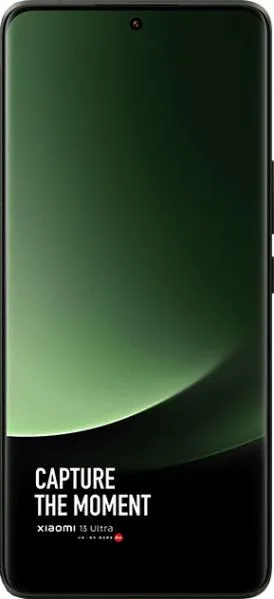
| Feature | Xiaomi Redmi Note 12 4G | Xiaomi 13 Ultra | Practical Impact |
|---|---|---|---|
| Design | |||
| Dimensions (mm) | 165.7 x 76 x 7.9 | 163.2 x 74.6 x 9.1 | The 13 Ultra is slightly shorter and narrower but thicker and significantly heavier. |
| Weight (g) | 183.5 | 227 | The Redmi is much lighter, making it more comfortable for extended use. The 13 Ultra's weight might be noticeable in a pocket. |
| Display | |||
| Display Type | AMOLED, 120Hz | LTPO AMOLED, 120Hz | Both offer smooth scrolling and animations thanks to the 120Hz refresh rate. The 13 Ultra's LTPO panel allows for dynamic refresh rate adjustment, potentially saving battery. |
| Resolution | 1080 x 2400 | 1440 x 3200 | The 13 Ultra has a much sharper display with significantly higher pixel density, resulting in crisper text and images. |
| Peak Brightness | 1200 nits | 2600 nits | The 13 Ultra offers exceptional outdoor visibility, even in direct sunlight. The Redmi's display is good but may struggle in bright conditions. |
| HDR Support | No Dolby Vision | Dolby Vision, HDR10+ | The 13 Ultra supports a wider range of HDR content providing a superior viewing experience with compatible videos. |
| Performance | |||
| Chipset | Snapdragon 685 (6nm) | Snapdragon 8 Gen 2 (4nm) | The 8 Gen 2 in the 13 Ultra is significantly more powerful, enabling smoother multitasking, faster app loading, and better gaming performance. |
| CPU | Octa-core (4x2.8 GHz Cortex-A73 & 4x1.9 GHz Cortex-A53) | Octa-core (1x3.2 GHz Cortex-X3 & 2x2.8 GHz Cortex-A715 & 2x2.8 GHz Cortex-A710 & 3x2.0 GHz Cortex-A510) | The 13 Ultra's CPU architecture is far more advanced, leading to significant performance gains in demanding tasks. |
| RAM | 4/6/8GB | 12/16GB | The 13 Ultra offers substantially more RAM, allowing for seamless multitasking and keeping more apps open in the background without performance slowdown. |
| Camera | |||
| Main Camera | 50MP, f/1.8 | 50MP, f/1.9, 1-inch sensor | The 13 Ultra boasts a much larger sensor, capturing more light and detail, especially in low-light conditions. Leica lens collaboration also suggests superior image quality. |
| Additional Cameras | 8MP Wide, 2MP Macro | 50MP Wide+Macro, 50MP Telephoto (2x), 50MP Periscope Telephoto (5x) | The 13 Ultra offers superior versatility and zoom capabilities with its advanced multi-camera system, including a periscope lens for long-range shots. |
| Battery | |||
| Capacity | 5000 mAh | 5000 mAh | Similar battery capacities suggest comparable battery life. However, real-world usage will depend on factors like display resolution and processor efficiency. |
| Fast Charging | 33W | 90W | The 13 Ultra charges significantly faster, minimizing downtime. |
2. Key Differences Analysis
Xiaomi Redmi Note 12 4G Advantages:
- Lighter and more affordable: Significantly easier to handle and carry for extended periods. Offers good value for its price.
Xiaomi 13 Ultra Advantages:
- Flagship Performance: Superior processing power, RAM, and graphics capabilities for demanding tasks and gaming.
- Exceptional Display: Higher resolution, brighter, supports wider HDR formats for a better viewing experience.
- Advanced Camera System: Larger sensor, versatile lenses including a periscope telephoto lens, resulting in superior image quality and zoom capabilities.
- Faster Charging: Significantly reduced charging times.
3. User Profiles & Recommendations
Redmi Note 12 4G: Budget-conscious users who prioritize basic smartphone functionalities like calling, messaging, social media browsing, and light gaming. Good for users seeking a lightweight device.
Xiaomi 13 Ultra: Power users, mobile photographers, and videographers who demand top-tier performance, a stunning display, and a cutting-edge camera system. Ideal for demanding mobile gaming, content creation, and media consumption.
4. Decision Framework
Key Questions for Buyers:
- What is your budget? The Redmi Note 12 is significantly more affordable.
- What are your primary smartphone usage patterns? For basic tasks, the Redmi suffices. For demanding tasks and media consumption, the 13 Ultra is superior.
- How important is camera quality? The 13 Ultra offers a vastly superior camera system.
My Choice:
I would choose the Xiaomi 13 Ultra. While significantly more expensive, the substantial improvements in performance, display, and camera make it a worthwhile investment for me. I value a smooth and responsive user experience, excellent photography capabilities, and a bright, sharp display for media consumption. The faster charging is a welcome bonus. The Redmi Note 12 is a good budget option, but the 13 Ultra's superior features align better with my needs and priorities as a tech enthusiast. While the weight is a concern, the benefits outweigh this drawback for me.
