1. Specifications Comparison
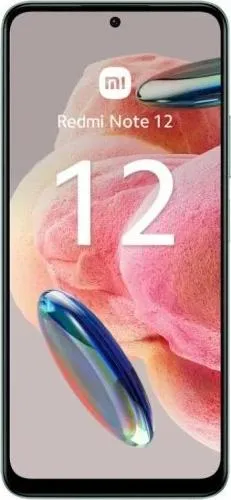
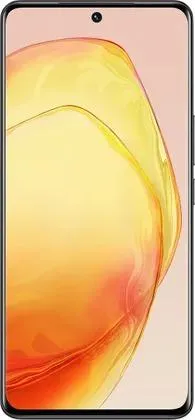
| Feature | Xiaomi Redmi Note 12 4G | vivo V29 | Practical Impact |
|---|---|---|---|
| Design | |||
| Dimensions (mm) | 165.7 x 76 x 7.9 | 164.2 x 74.4 x 7.5 | Vivo V29 is slightly smaller and thinner, potentially improving one-handed usability. |
| Weight (g) | 183.5 | 186 | Negligible weight difference; both feel similar in hand. |
| Fingerprint Sensor | Side-mounted | Under-display | Preference-based; under-display is often perceived as more modern. |
| Display | |||
| Display Size (inches) | 6.67 | 6.78 | Vivo V29 offers a slightly larger screen for more immersive content consumption. |
| Resolution | 1080 x 2400 | 1260 x 2800 | Vivo V29 has a sharper display due to higher resolution, resulting in clearer text and images. |
| Display Type | AMOLED, 120Hz | AMOLED, 120Hz, HDR10+ | Both offer smooth scrolling and vibrant colors thanks to AMOLED and 120Hz. Vivo V29 supports HDR10+ for enhanced video quality with compatible content. |
| Peak Brightness (nits) | 1200 | 1300 | Vivo V29 can achieve slightly higher brightness, improving outdoor visibility. |
| Performance | |||
| Chipset | Snapdragon 685 (6nm) | Snapdragon 778G 5G (6nm) | Vivo V29 boasts a significantly more powerful processor, enabling smoother multitasking, faster app loading, and better gaming performance. |
| CPU | Octa-core (4x2.8 GHz Cortex-A73 & 4x1.9 GHz Cortex-A53) | Octa-core (1x2.4 GHz Cortex-A78 & 3x2.2 GHz Cortex-A78 & 4x1.9 GHz Cortex-A55) | Vivo V29's CPU architecture is more modern and efficient, contributing to its superior performance. |
| GPU | Adreno 610 | Adreno 642L | Vivo V29's GPU is significantly more powerful, leading to improved gaming and graphics-intensive tasks. |
| RAM | 4GB/6GB/8GB | 8GB/12GB | Vivo V29 offers more RAM in its base configuration, ensuring smoother multitasking and better performance with demanding applications. |
| Camera | |||
| Main Camera | 50MP | 50MP | While both have 50MP main sensors, image quality can vary due to sensor size, processing, and lens quality, which are not fully specified. |
| Selfie Camera | 13MP | 50MP | Vivo V29 has a much higher resolution selfie camera, likely producing more detailed self-portraits. |
| Video Recording | 1080p@30fps | 4K@30fps, 1080p@30fps | Vivo V29 can record videos in 4K resolution, offering significantly higher detail compared to the Redmi Note 12 4G's 1080p. |
| Battery | |||
| Capacity | 5000mAh | 4600mAh | Redmi Note 12 4G has a larger battery capacity, potentially offering longer battery life. |
| Fast Charging | 33W | 80W | Vivo V29 supports significantly faster charging, drastically reducing downtime. |
2. Key Differences Analysis
Xiaomi Redmi Note 12 4G Advantages:
- Larger Battery: Potentially longer battery life for less frequent charging.
- Lower Price: Offers a more budget-friendly option.
vivo V29 Advantages:
- Significantly Better Performance: Smoother multitasking, faster app loading, superior gaming.
- Sharper Display: Higher resolution and HDR10+ support for better visuals.
- Faster Charging: Significantly reduced charging time.
- 5G Connectivity: Future-proofed for faster cellular data speeds.
- Higher Resolution Selfie Camera: More detailed self-portraits.
- 4K Video Recording: Significantly improved video quality.
Trade-offs:
- The Vivo V29 has a smaller battery capacity than the Redmi Note 12, potentially sacrificing some battery life for faster charging and performance.
3. User Profiles & Recommendations
Xiaomi Redmi Note 12 4G: Budget-conscious users prioritizing long battery life and basic functionality. Best for:
- Casual social media browsing
- Light gaming
- Calling and messaging
vivo V29: Users seeking a well-rounded phone with excellent performance, a great display, and fast charging. Best for:
- Demanding mobile gaming
- Content consumption (videos, photos)
- Multitasking and productivity
- Users who value fast charging
4. Decision Framework
Key Questions:
- What is your budget? The Redmi Note 12 4G is significantly more affordable.
- What level of performance do you need? The Vivo V29 offers a significant performance advantage.
- What are your priorities? (e.g., Battery life, camera quality, display quality, performance)
My Choice: vivo V29
While the Redmi Note 12 offers a larger battery and lower price, the vivo V29's superior performance, display, faster charging, and 5G connectivity make it a much more compelling device for my needs. I prioritize a smooth and responsive user experience, and the Snapdragon 778G, coupled with the higher refresh rate and resolution display, delivers that. The ability to quickly charge the phone is also a significant advantage in my busy lifestyle. The price difference is justifiable for the significant upgrade in overall user experience. While I acknowledge the slightly smaller battery, I believe the fast charging adequately compensates for this trade-off.
